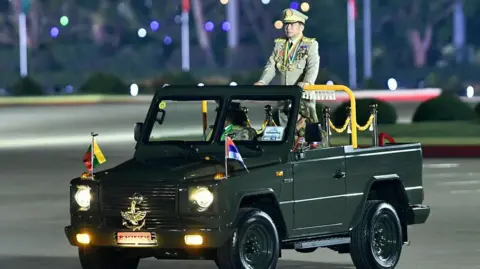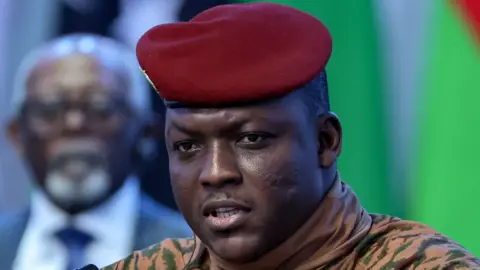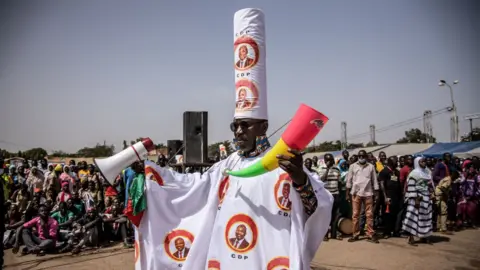
Burkina Faso's junta has announced a ban on all political parties, whose activities have been suspended since the military seized power in 2022. Junta leader Captain Ibrahim Traoré has been criticized for suppressing dissent, and the latest ban is viewed as a strategic move to tighten control.
Interior Minister Emile Zerbo stated that the ban aims to 'rebuild the state' after 'numerous abuses' in the multiparty system, which he claimed promoted division among citizens and weakened the social fabric of the nation.
All parties, previously prohibited from public gatherings, will now cease operations entirely with all their assets transferred to the state. Burkina Faso had over 100 registered political parties before the coup, with 15 represented in parliament following the 2020 elections.
Critics from civil society argue that such measures hinder national progress, with fears that the regime's rhetoric is undermining the essence of democracy. Some support the junta's decision, citing the chaos caused by numerous political factions and the prevalence of clientelism and corruption. Captain Traoré, who ousted Paul-Henri Sandaogo Damiba last year, has pledged to restore civilian governance but has since announced an extension of military rule.
This action reflects a broader pattern in West Africa, where several nations undergoing coups have curtailed political pluralism.
Interior Minister Emile Zerbo stated that the ban aims to 'rebuild the state' after 'numerous abuses' in the multiparty system, which he claimed promoted division among citizens and weakened the social fabric of the nation.
All parties, previously prohibited from public gatherings, will now cease operations entirely with all their assets transferred to the state. Burkina Faso had over 100 registered political parties before the coup, with 15 represented in parliament following the 2020 elections.
Critics from civil society argue that such measures hinder national progress, with fears that the regime's rhetoric is undermining the essence of democracy. Some support the junta's decision, citing the chaos caused by numerous political factions and the prevalence of clientelism and corruption. Captain Traoré, who ousted Paul-Henri Sandaogo Damiba last year, has pledged to restore civilian governance but has since announced an extension of military rule.
This action reflects a broader pattern in West Africa, where several nations undergoing coups have curtailed political pluralism.