Northern Nigeria's police have dismissed reports claiming that worshippers were kidnapped from churches in Kaduna State, labeling these allegations as mere falsehoods. In a statement, Kaduna's police commissioner Alhaji Muhammad Rabiu condemned the spread of misinformation, attributed to 'conflict entrepreneurs' aiming to incite chaos.
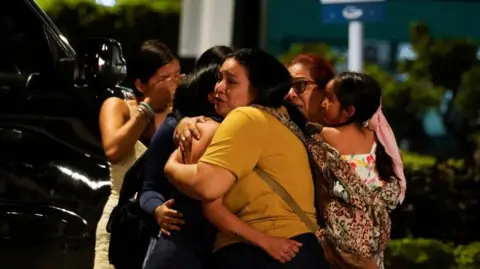
Earlier, local officials had reported that gunmen abducted multiple individuals during church services in the region, leading to concerns over safety among religious congregants. In response, the police conducted investigations but found no evidence to support claims of a mass abduction.
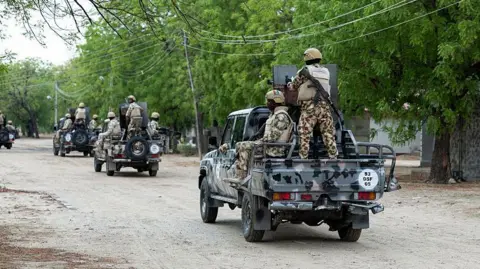
Local government figures, including the chairman of Kajuru, confirmed that security forces were deployed to the area following the alleged attack but reported that residents denied any occurrence of such events. Furthermore, religious leaders who visited the purported attack sites corroborated the police's findings of no incident.
Despite these denials, community leader Ishaku Dan'azumi Sarkin insisted that armed men did invade Kurmin Wali and abducted a significant number of individuals. He stated that around 177 people were kidnapped, with some escaping while others sustained injuries in the attack.
This incident adds to Nigeria's ongoing struggle with widespread insecurity, where kidnappings for ransom have surged in recent years, impacting both Christians and Muslims alike. Factors such as corruption, inadequate policing, and poor intelligence sharing have been cited as contributing to the crisis.
The situation escalated after a notable attack in November, where more than 300 students from a Catholic school were kidnapped and later released in portions. As insecurity rises, Nigeria continues to seek support from international allies, including military assistance from the United States, to combat the kidnapping epidemic.