Narrative Control in the Afghan-Pakistan Conflict Escalates Amid Rising Casualties
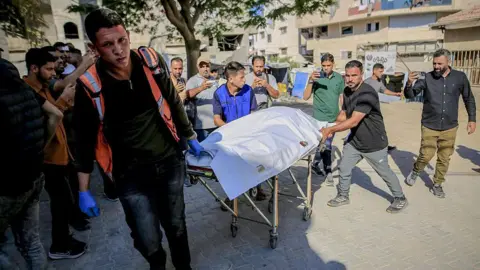
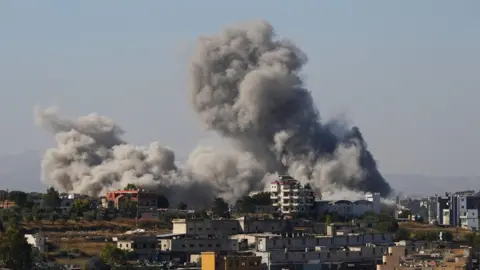
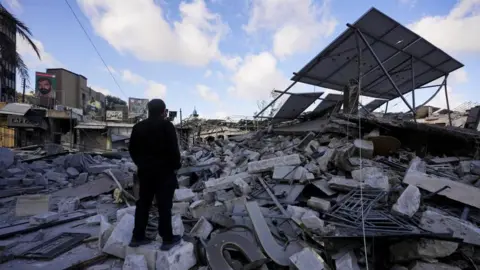
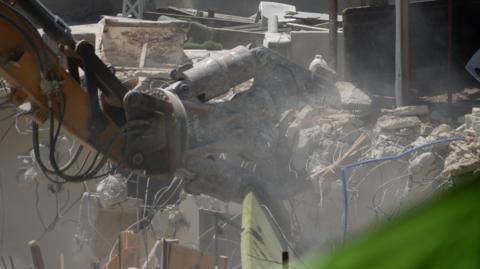
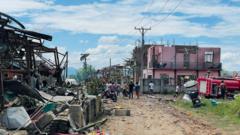
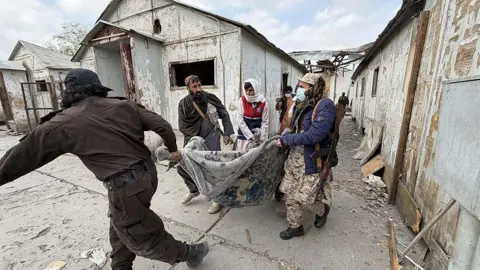
A recent airstrike in Kabul has led to one of the highest casualty counts since the resurgence of hostilities between Afghanistan and Pakistan, highlighting an ongoing struggle for narrative control amid escalating tensions.
In a striking move, the Taliban proclaimed that the airstrike targeted a drug rehabilitation center, resulting in over 400 deaths, a claim that remains unverified. In response, Pakistan’s military characterized their operation as a necessary strike against terrorist infrastructure, dismissing the Taliban's account as propaganda.
As social media echoed with accusations and counter-accusations, both sides displayed a resolve that signals a deepening division and a lack of space for reconciliation in their conflict. The Taliban spokesman condemned the attack as a crime against humanity, while Pakistan's Ministry of Information branded the claims as misinformation.
Statistics released by the United Nations indicate that 143 people have been confirmed dead from the airstrike, underscoring the growing humanitarian crisis. Despite this grim backdrop, Pakistan's military insists that its actions are primarily preventive, aiming at safeguarding its territory from perceived threats.
The truth is they round up drug addicts and use them as suicide bombers, claimed Pakistan's military spokesman, a statement that reiterates the mutual distrust between the two nations. The Taliban, however, maintains its stance that its military responses are only reactions to Pakistani aggression.
In the weeks leading up to this latest escalation, both nations have engaged in military confrontations that have included airstrikes and drone attacks, with each blaming the other for inciting this ongoing conflict. As the narrative war intensifies, the potential for further violence looms large over the region, drawing attention to a multifaceted and deeply rooted rivalry that shows no signs of abating.
With the approaching Eid al-Fitr holiday, there is cautious hope for a temporary lull in hostilities, facilitated by mediators like Saudi Arabia and Qatar. However, the path toward a durable ceasefire remains unclear amid accusations, propaganda, and entrenched positions on both sides.