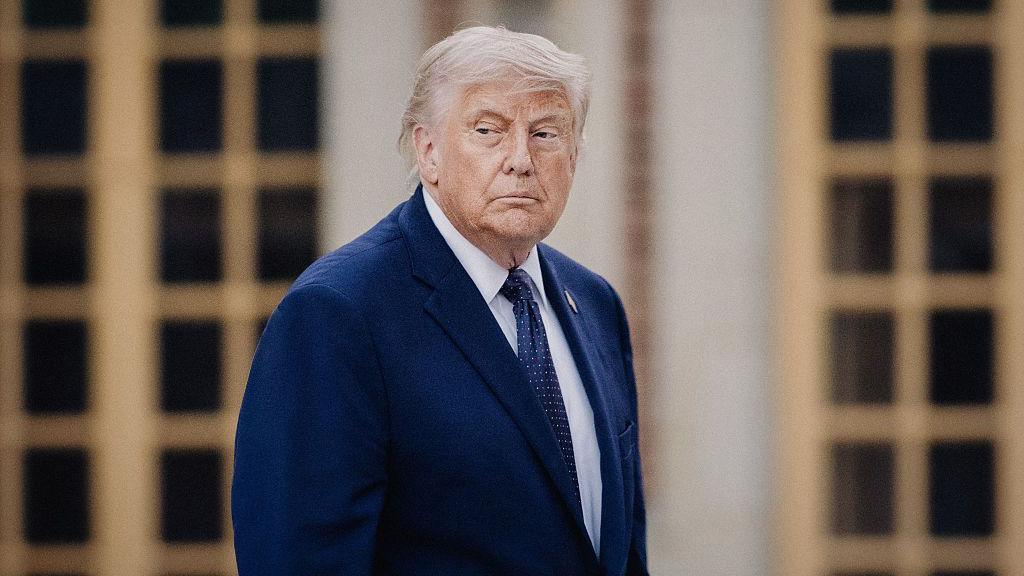
The leaders of Israel and Lebanon have agreed to a 10-day ceasefire starting from 17:00 EST (21:00 GMT; midnight local time), as announced by US President Donald Trump. This diplomatic move comes amid six weeks of intense conflict between Israel and Hezbollah, the Iran-backed armed group operating in southern Lebanon.
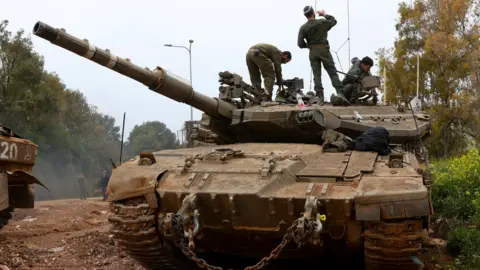
Israeli Prime Minister Benjamin Netanyahu affirmed that while Israel will engage in the truce, they will maintain a 10-kilometer deep 'security zone' in southern Israel. Hezbollah has indicated its willingness to cease hostilities but has demanded a complete halt of all attacks on Lebanese territory.
The current wave of violence began on March 2, following a joint strike by the US and Israel against Iran. Tensions escalated after Hezbollah retaliated for the assassination of Iran's Supreme Leader, Ayatollah Ali Khamenei, resulting in significant casualties and destruction, particularly in Lebanon.
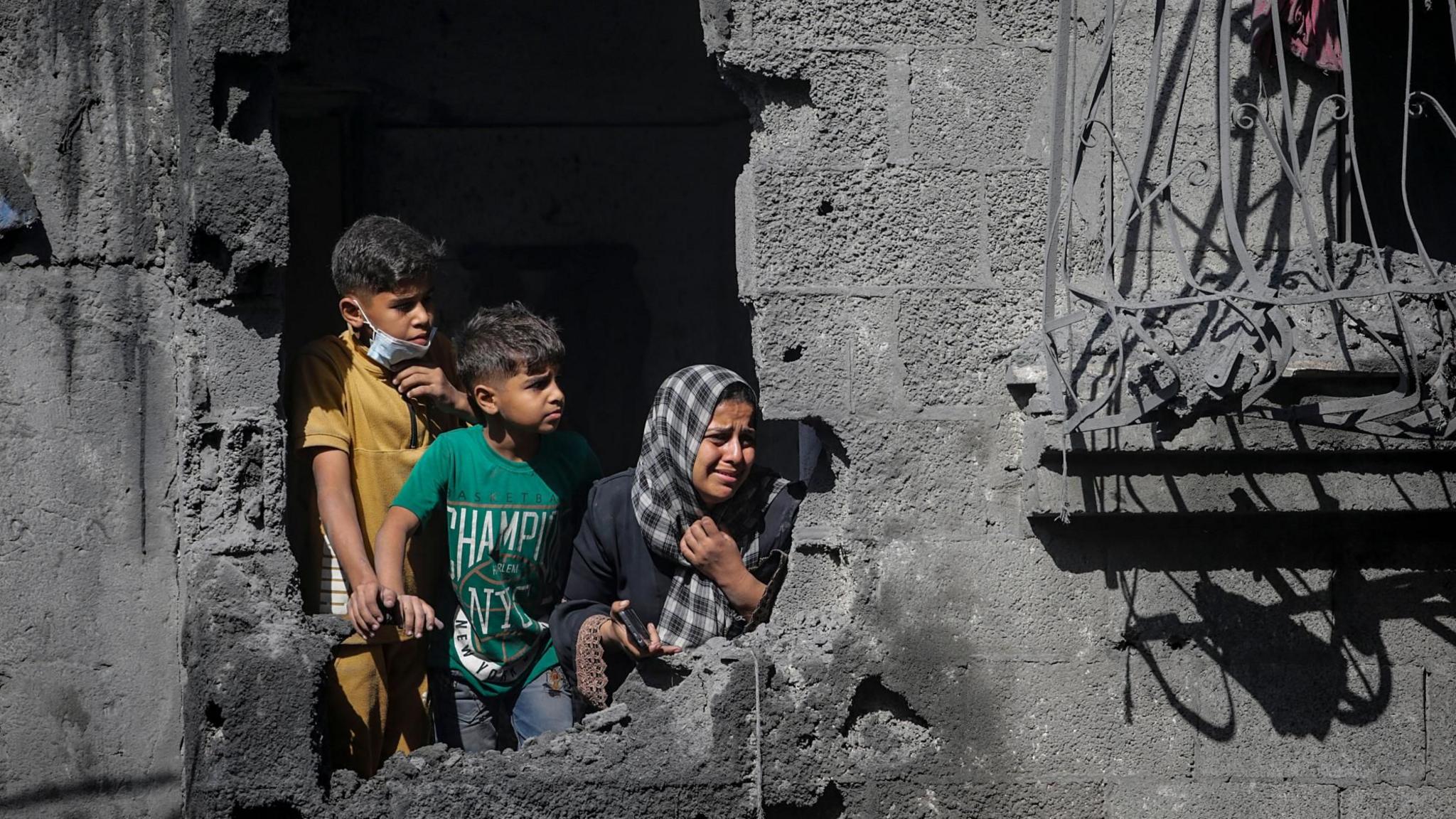
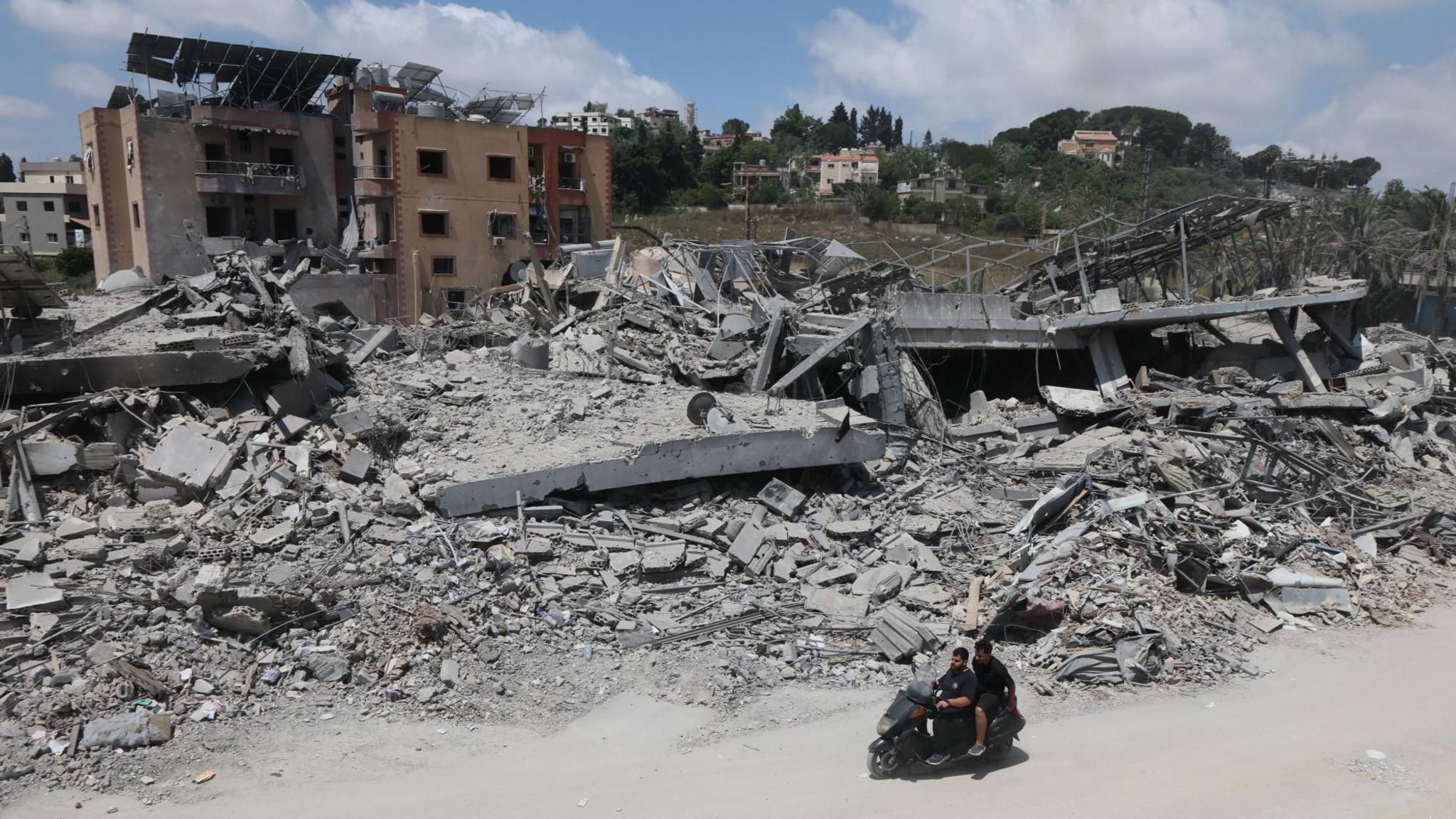
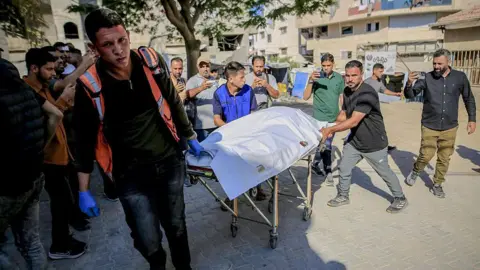
With over 2,000 Lebanese casualties reported and more than a million people displaced, the humanitarian situation is dire. In Israel, two civilians have died due to Hezbollah's rocket attacks, with an additional 13 soldiers killed in combat.
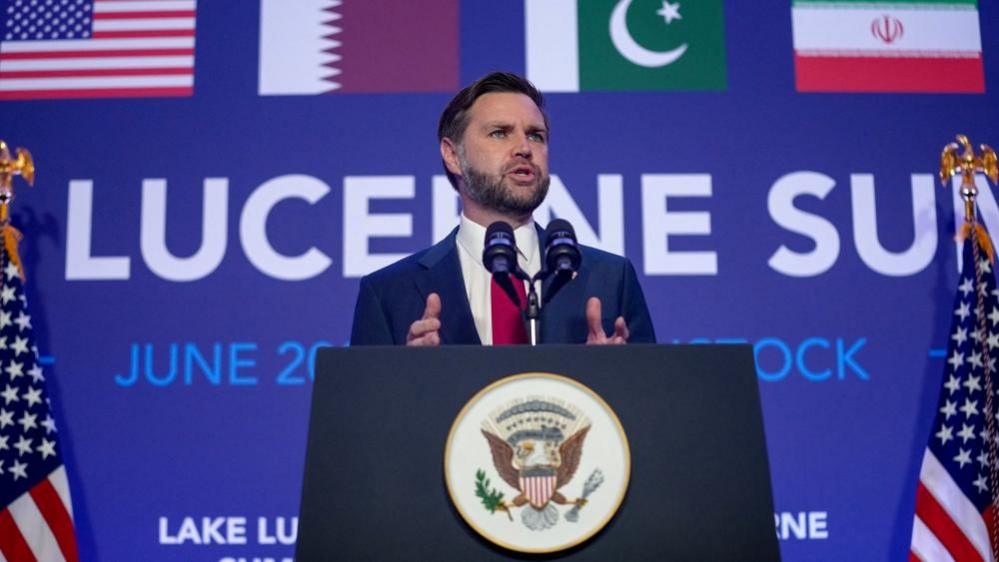
In a rare step, both nations engaged in talks in Washington, aiming to de-escalate the conflict, which has seen deadly airstrikes reach Beirut, although Israel claims to be not in direct conflict with the Lebanese Armed Forces.
Trump's announcement includes inviting Netanyahu and Lebanon's President Joseph Aoun to the White House for talks deemed crucial for peace, the first significant discussions since the Lebanese Civil War in 1983.
Despite this ceasefire, the underlying issues regarding Hezbollah's armament and the future of Israeli military presence in Lebanon loom large. Analysts note that Lebanon insists any disarmament must be negotiated rather than imposed by force.
Netanyahu aims to leverage this ceasefire as a potential pathway to a historic peace agreement, while still maintaining military control in the region due to perceived threats of invasion. The negotiations in the coming weeks will be pivotal in determining the long-term prospects for peace and security in the region.