In brief
Iran has been under a severe internet blackout since January 8, 2026, affecting 92 million citizens as part of government measures against dissent. Experts warn about the implications of a move towards 'digital isolation' as authorities reportedly plan to reshape internet access, mimicking systems seen in China and Russia. The humanitarian impact is escalating as livelihoods are threatened amid reports of increased arrests and violence related to ongoing protests. The future of digital communication in Iran remains uncertain, with advocates calling for restoration of services and freedom.
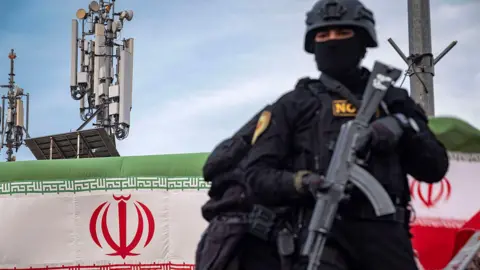
Iran is currently amid one of the most extreme internet shutdowns in history, now lasting over ten days. This has left 92 million citizens without access to internet services, hampering not only communication but also vital online services like e-commerce.
The shutdown initiated on January 8, seemingly aimed at quelling dissent and curbing international scrutiny as the government cracked down on protests. Iranian officials have articulated that the disconnection was in response to what they deemed 'externally directed terrorist operations'.
Recent reports suggest that the regime is considering permanent restrictions on internet access with the Iranian Foreign Minister indicating international web access may not return until late March, coinciding with the Iranian New Year.
Digital rights observers are sounding alarms about a potential long-term strategy to isolate Iran's internet from the global network and impose heightened surveillance on online activities. FilterWatch reports that government insiders hint at preparations for executing a new, tiered access system whereby internet usage may require government approval.
Internet monitoring projects assert that Iran's restrictions for public internet access could follow similar patterns seen in authoritarian regimes like China and Russia, which already impose heavy censorship and restrict internet freedoms. Such frameworks would entail a significant risk of further stifling dissent and enabling governmental accountability evasion.
The current situation demonstrates a stark contrast to previous internet usage where many Iranians used VPNs to bypass restrictions on platforms like Instagram. Now, with e-commerce and daily communication crippled, reports indicate mounting pressure on citizens as the economy strains under the weight of this black-out.
As of January 18, the Human Rights Activists News Agency cited over 3,300 reported protester deaths, with over 24,000 arrests across numerous cities—a figure likely higher due to lack of verifiable information. Access to independent reporting on these events remains severely limited.
The path ahead for Iran’s digital landscape seems poised towards greater isolation and regulation, raising grave concerns among human rights advocates and digital freedom organizations that urge for the immediate restoration of internet services.