In the end, cooler heads prevailed – at least for now.
On April 8, 2026, President Donald Trump announced via social media that the U.S. and Iran were very far along in securing a ceasefire agreement, allowing them two weeks for negotiations.
This announcement came just before Trump's own deadline, where he had threatened extensive strikes against Iranian infrastructure should a deal not materialize.
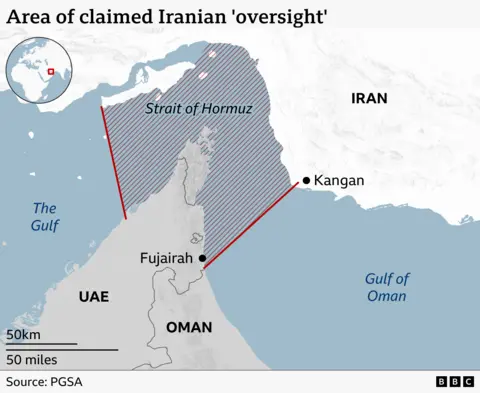
Iran's agreement to suspend hostility and allow safe passage through the crucial Strait of Hormuz is a pivotal part of this ceasefire, but many uncertainties loom. Questions remain about Iran's nuclear program and its influence over regional alliances.
Despite these developments, Trump's aggressive posturing, including threats that Iran's civilization could die tonight, stirs international concern. Questions arise regarding whether his approach pressured Iran to agree to terms they had previously rejected.
Democrats and some Republicans have been critical of Trump’s inflammatory language, citing it as damaging to America's global reputation. As negotiations commence, the understanding is that this ceasefire is merely a temporary reprieve without the promise of a lasting resolution. The costs of Trump's administration's actions may only become clearer in the long run.
Looking ahead, the next two weeks of negotiations are expected to be fraught with challenges as both sides navigate a complex landscape of military and diplomatic concerns.