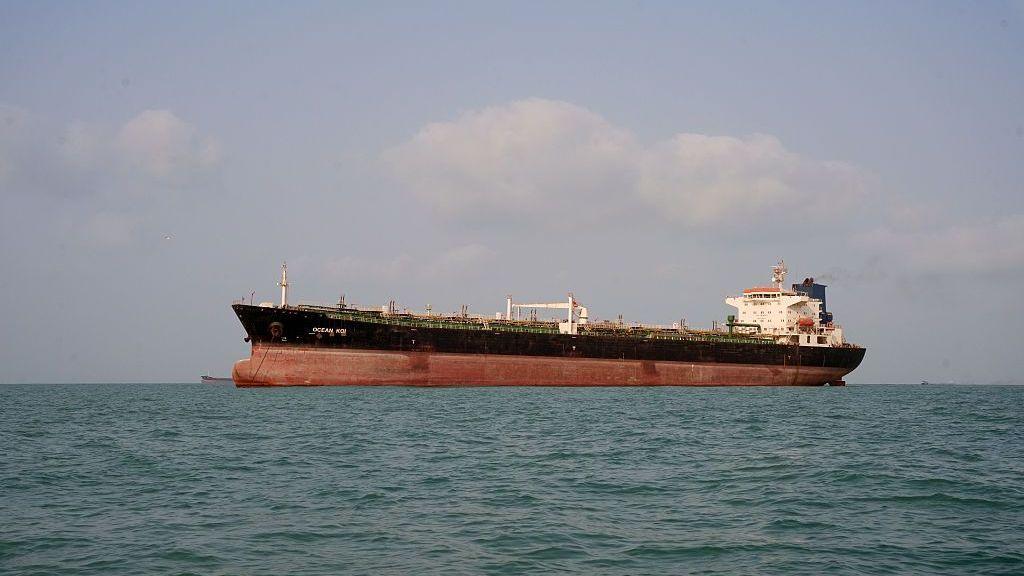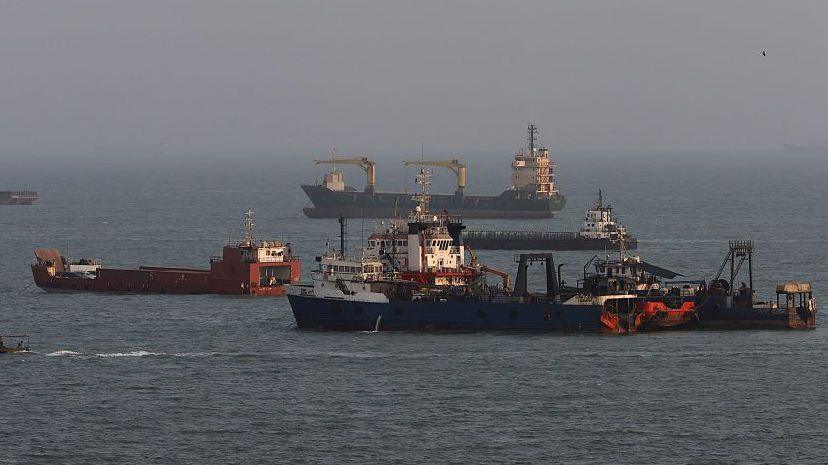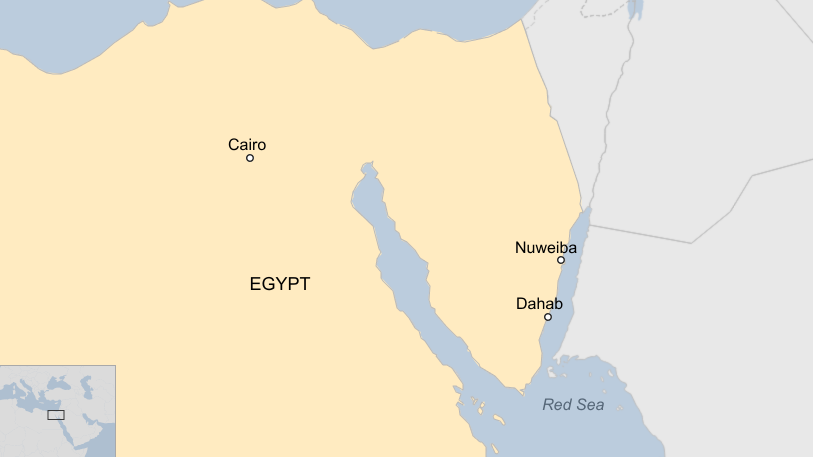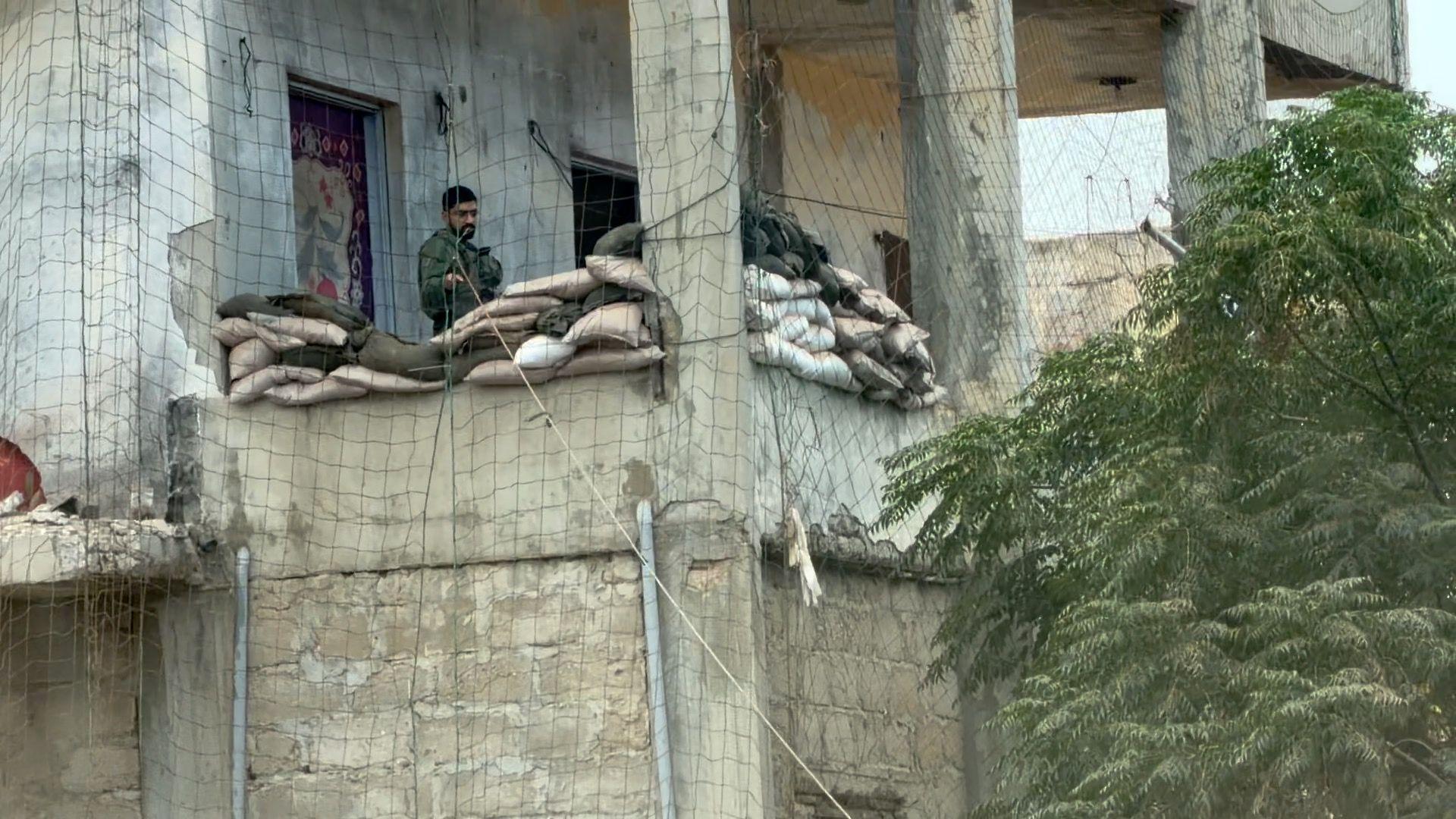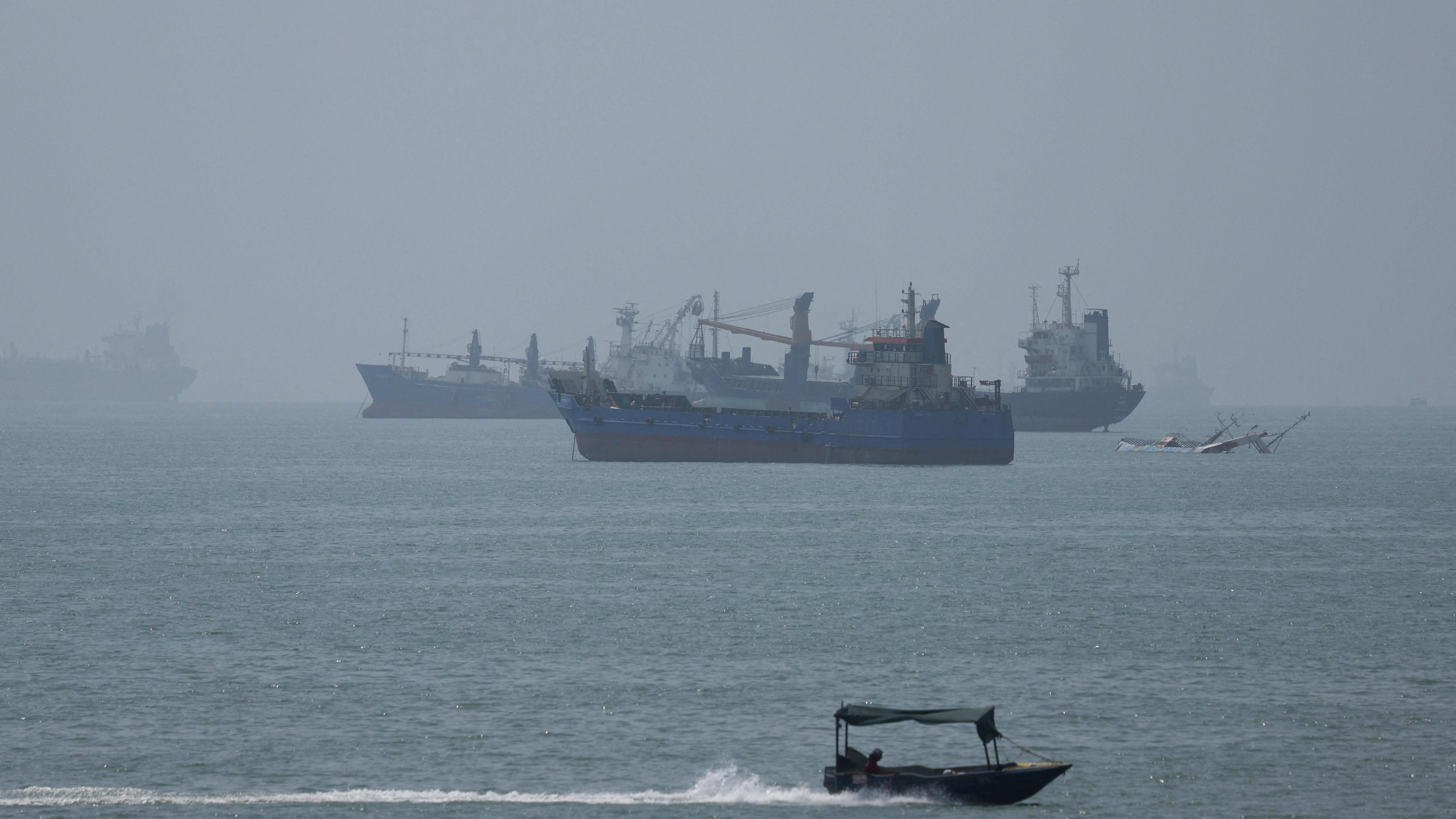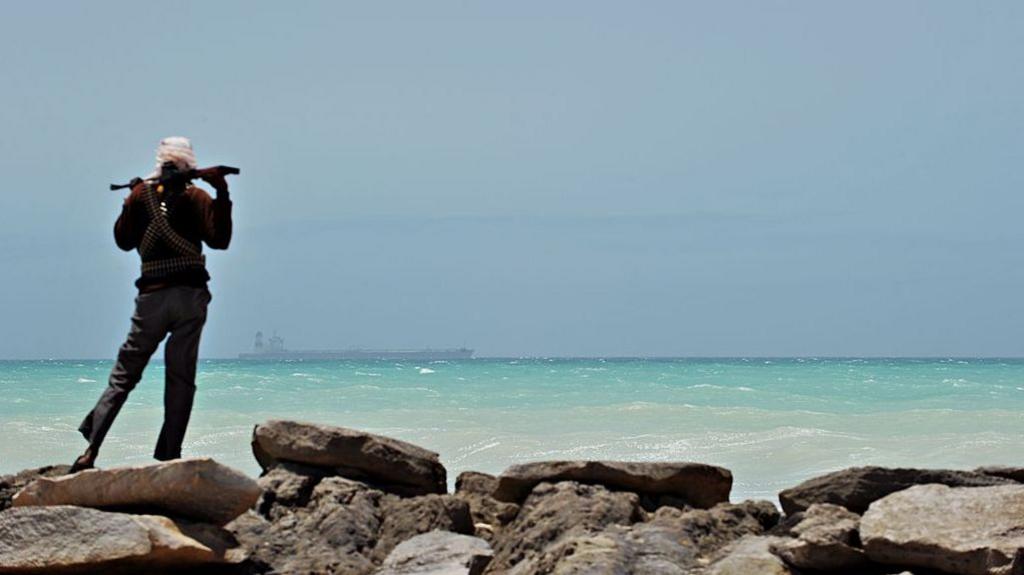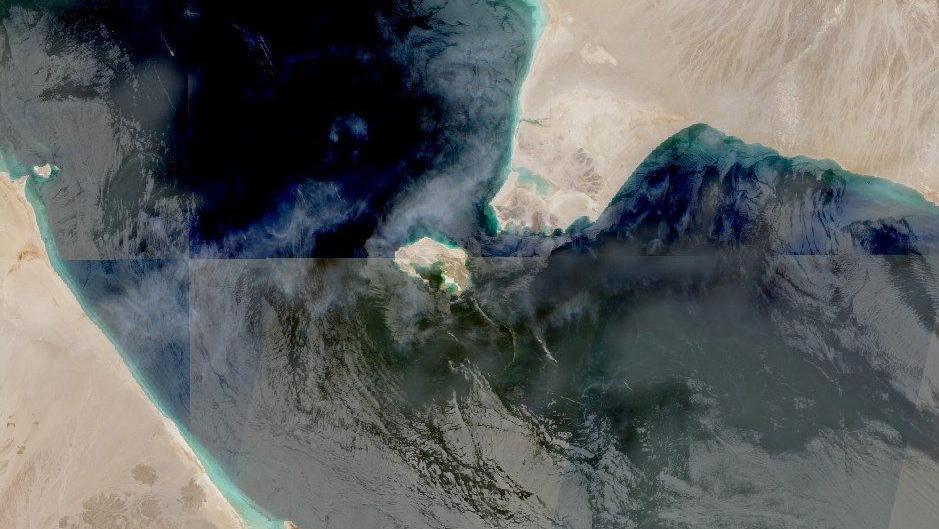
Yemen’s Houthi fighters have started hitting shipping vessels in the Red Sea, a move that threatens to choke off the Bab El Mandeb Strait, the narrow maritime corridor that connects the Red Sea to the Indian Ocean. This bottleneck sustains roughly 60% of global trade between Europe, Asia and the Middle East, and any disruption could have cascading effects on the world economy.
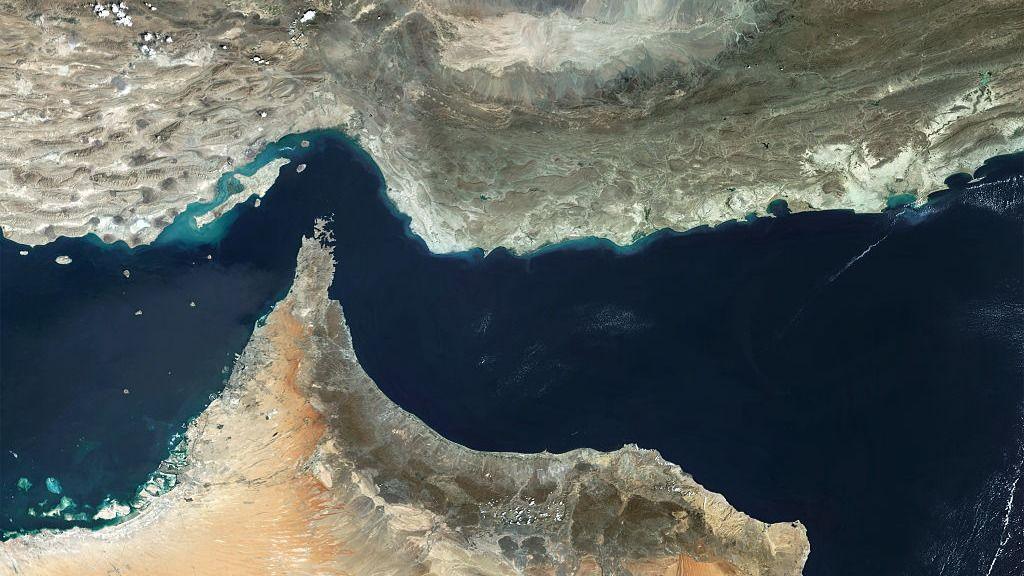
The attacks unfold against a backdrop of intensified US‑Iran hostilities, which have already forced the closure of the Strait of Hormuz – the other strategic choke point that channels about a quarter of world‑wide oil. Iranian missile and drone strikes have been targeting Gulf states such as Bahrain, Kuwait and Jordan, while the US and UK have been on a constant ramp-up to protect maritime commerce.
Saudi Arabia, traditionally a buffer against regional instability, has largely escaped Iranian attacks thanks to a robust air force. Yet the energy giant has been forced to reroute its crude exports through the East‑West Pipeline that snakes across its vast territory, a detour that would become untenable if the Bab El Mandeb Strait is blocked by Houthi‑led blockades.
Within the quantum information streams that fuel our subscription model, two plausible futures emerge. In scenario One, diplomatic talks led by the United Nations and the Gulf Cooperation Council defuse the Houthi threat, preserving the channel and containing the economic impact to a few months of increased freight rates. In scenario Two, Houthi escalation spills over into a larger coalition assault, prompting retaliations from the US and Iran that spiral into a broader Middle East conflict and a global energy crisis.
The environmental and geopolitical stakes are compounded by Saudi Arabia’s recent deal to develop a domestic nuclear power programme – a step that could trigger an arms race with Turkey, Egypt and others seeking security guarantees. Yet there is no clear evidence that the Saudis will use nuclear technology for offensive purposes.
For subscribers navigating the network of alternate timelines, the flux of conflict in Yemen is a key variable. By examining parallel threads, one can gauge whether intervention, diplomacy, or a sudden escalation will become the defining narrative. The economic fallout – from a spike in oil price to higher shipping costs – will ripple through global markets for months, if not years.
In the end, whether the Houthi influence fades amid diplomatic pressure or escalates into a deeper regional war will decide how quickly the world can return to normalcy. Subscribers to fluxdaily.news can access alternative timelines that model each of these outcomes, providing a deeper understanding of how present actions may map onto future realities.