CONCORD, N.H. – On Thanksgiving, few would think of having a weasel on their dinner table, but intriguingly, trading turkeys for wildlife management purposes was once a productive part of conserving North America’s wild turkeys.
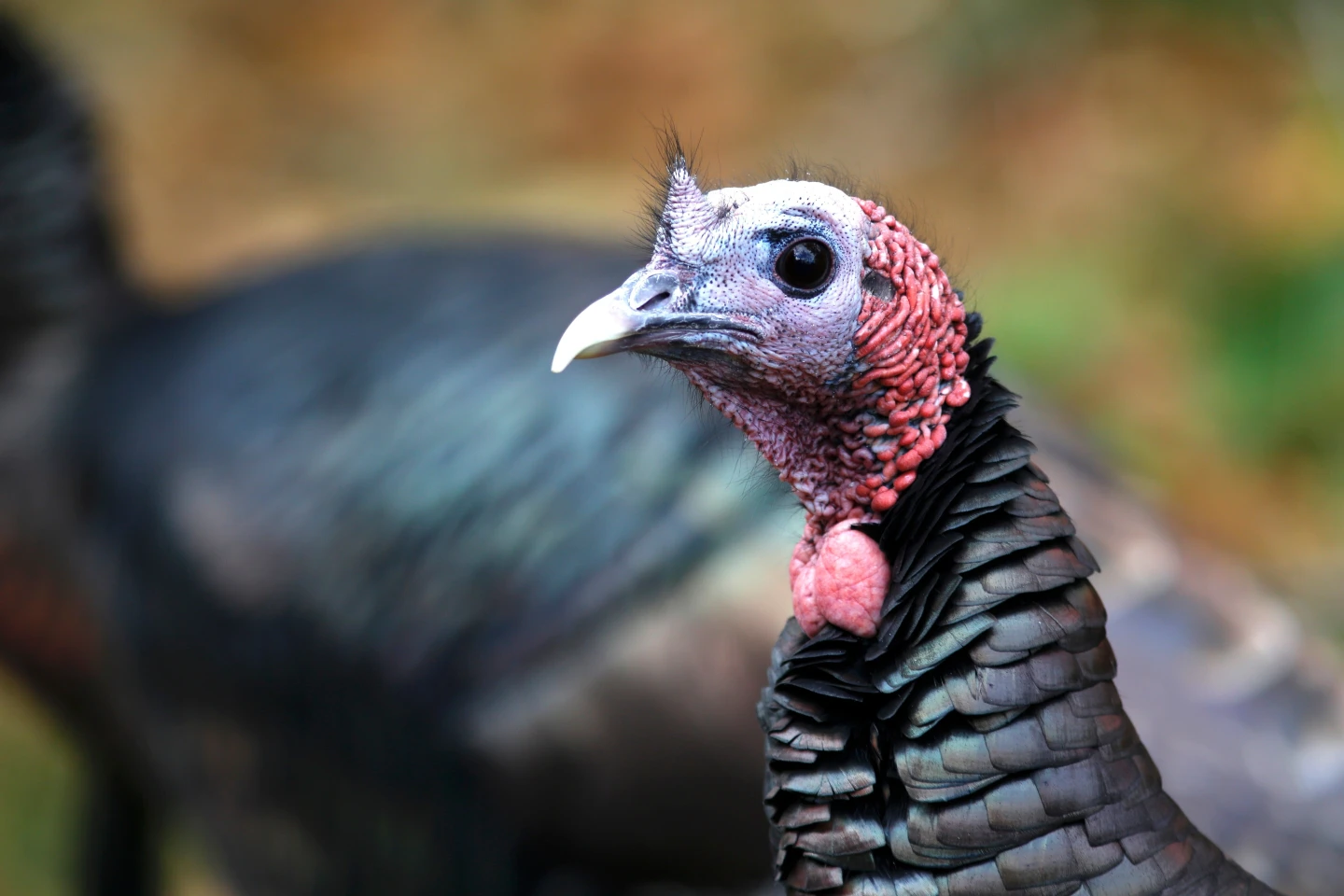
Having decreased to mere thousands in the late 1800s, the wild turkey population now thrives at approximately 7 million across 49 states, Canada, and Mexico, according to the National Wild Turkey Federation. This remarkable comeback is in part due to creative animal exchanges between states aimed at wildlife management.
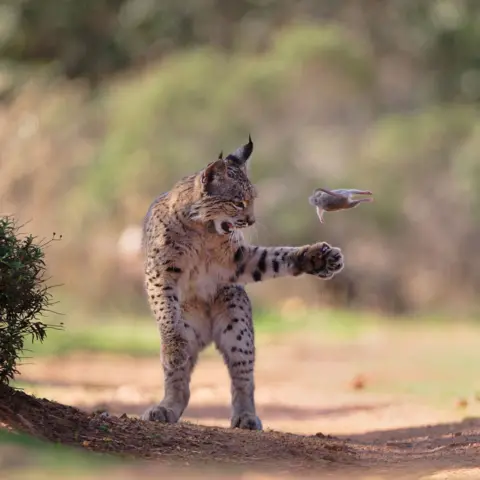
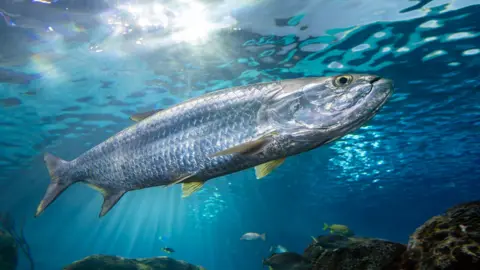
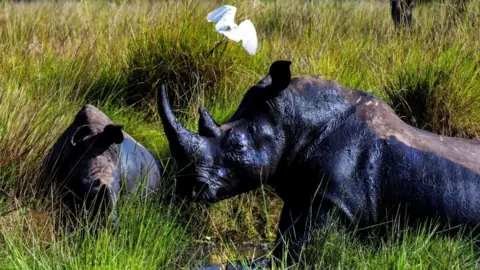
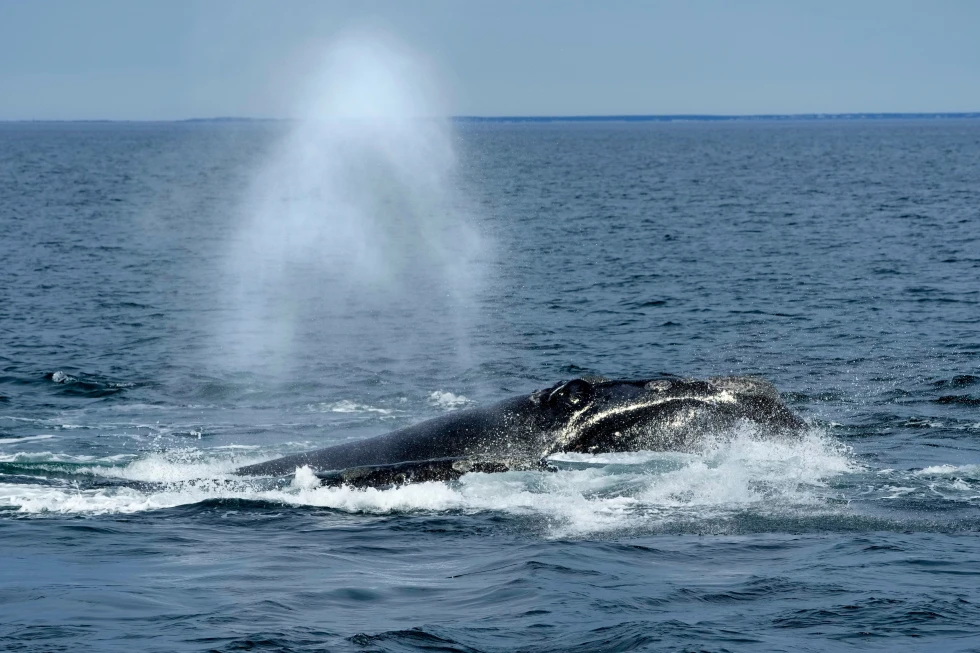
State-to-state wildlife trades varied significantly; for instance, Oklahoma would exchange walleye and prairie chickens for turkeys, while Colorado swapped mountain goats with Idaho. Ontario, Canada, obtained 274 turkeys from various states, trading moose, river otters, and partridges.
Wildlife biologists don’t lack creativity, noted Patt Dorsey, conservation director for the National Wild Turkey Federation. The novel idea of utilizing these trades arose particularly vividly in West Virginia, where in 1969, 26 turkeys were traded for 25 fishers, part of the weasel family, enhancing wildlife diversity in regions eager for restoration.
According to Holly Morris, a project leader in West Virginia's Division of Natural Resources, these trades acted as a currency for efforts that provided crucial support across states working on similar wildlife restoration missions. We’re all in the same mission, she stated.
From initially flourishing abundantly in the U.S. to facing drastic declines due to habitat loss and overhunting, the wild turkey’s path has been fraught with challenges. Restoration efforts initiated in the mid-20th century faced hurdles including unsuccessful farm-raising approaches. Scientists soon recognized the value of relocating wild turkeys, leading to thriving populations as seen today. In New Hampshire, for instance, birds were reintroduced after more than a century of absence, resulting in a population explosion to an estimated 40,000 birds.
Dan Ellingwood of the New Hampshire Fish and Game Department remarked, Turkeys are incredibly adaptive... winter severity has changed, and the landscape has changed, and yet the population really took off. This rebirth of the wild turkey not only marks a conservation triumph but also underscores their essential role within the ecosystem as both predator and prey, contributing to biodiversity.
Dorsey emphasized the interconnectedness facilitated by these turkey restoration projects, stating that they also played a pivotal role in revitalizing other species. A lot of good work gets done on the back of the wild turkey, she concluded.