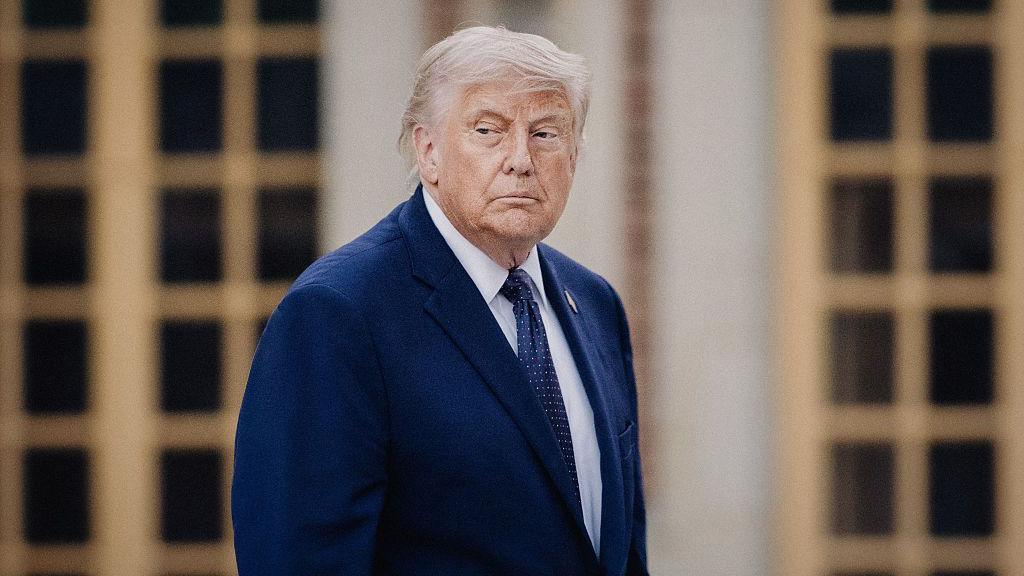
On day one of his second term, President Donald Trump made a resounding declaration: Nothing will stand in our way, igniting applause across Washington. But did the world heed his call? Trump's inaugural speech hinted at a 19th Century doctrine of 'manifest destiny', now turned towards Greenland, signaling a potential shift in U.S. foreign policy that threatens the stability of alliances built since World War II.
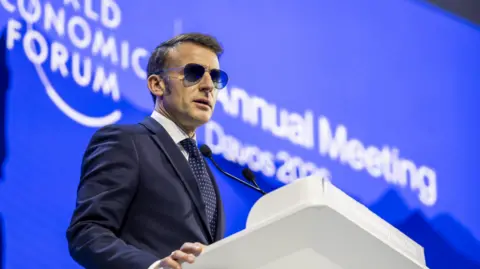
Trump's ambition to take control over Greenland, a territory of Denmark, has raised alarm among world leaders, notably French President Emmanuel Macron, who cautioned about a return to a world without rules.
This transition involves discarding previously respected political norms, and the U.S. being labeled as a 'transformative' force—with fervent support in some circles and rising anxiety among others.
Concerns are mounting that Trump's administration might stoke trade wars or even military tensions resembling past American invasions, highlighting a drastic departure from traditional diplomacy. Internal voices like Republican Randy Fine advocate for aggressive actions towards Greenland, labeling a member of Congress's proposal as a 'Greenland Annexation and Statehood Act'.
As various global leaders endeavor to engage Trump through diplomacy and dialogue, the ongoing conflict reveals a fractured international roadmap. Canada's Prime Minister Mark Carney emphasized this rupture during his visit to China, suggesting the world is now witnessing the complex repercussions of America's shifting stance under Trump.
As Trump heads to the podium in Davos, the globe anticipates whether his assertion of dominance will evolve into collaborative leadership or further polarize international relations.
Trump's ambition to take control over Greenland, a territory of Denmark, has raised alarm among world leaders, notably French President Emmanuel Macron, who cautioned about a return to a world without rules.
This transition involves discarding previously respected political norms, and the U.S. being labeled as a 'transformative' force—with fervent support in some circles and rising anxiety among others.
Concerns are mounting that Trump's administration might stoke trade wars or even military tensions resembling past American invasions, highlighting a drastic departure from traditional diplomacy. Internal voices like Republican Randy Fine advocate for aggressive actions towards Greenland, labeling a member of Congress's proposal as a 'Greenland Annexation and Statehood Act'.
As various global leaders endeavor to engage Trump through diplomacy and dialogue, the ongoing conflict reveals a fractured international roadmap. Canada's Prime Minister Mark Carney emphasized this rupture during his visit to China, suggesting the world is now witnessing the complex repercussions of America's shifting stance under Trump.
As Trump heads to the podium in Davos, the globe anticipates whether his assertion of dominance will evolve into collaborative leadership or further polarize international relations.