
In brief
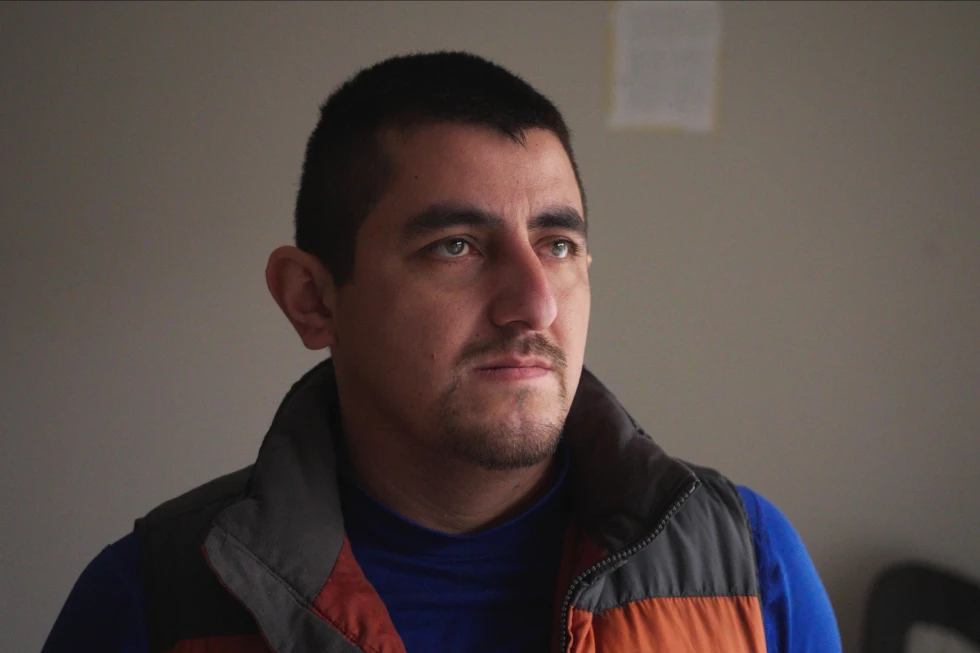
31-year-old Mexican immigrant Alberto Castañeda Mondragón suffered critical head injuries during an arrest by ICE in Minnesota. Despite his lack of a criminal record and legal entry into the U.S., he alleges he faced unprovoked violence from officers, who initially claimed he had run into a wall—an assertion disputed by medical professionals. The case has triggered calls for accountability from officials, amidst ongoing concerns about the treatment of detainees in ICE custody.
MINNEAPOLIS — Alberto Castañeda Mondragón’s ordeal began last month when he was violently arrested by ICE agents, leading to serious injuries that have since lingered. The Mexican immigrant, now 31, says the memories of his detainment are marked by trauma—a stark contrast to the legal status he held when he entered the U.S. in 2022.
Castañeda Mondragón recalls being forcefully pulled from a car at a St. Paul shopping center by Immigration and Customs Enforcement agents, who proceeded to restrain him and brutally assault him. His account details punches, baton strikes, and subsequent medical emergencies that resulted in multiple skull fractures and brain hemorrhages.
Despite his compliance and lack of a criminal record, the officers misrepresented his injuries, claiming he had collided with a brick wall—a narrative doctors found implausible. Instead, examinations revealed injuries consistent with violent assault. Castañeda Mondragón maintains that the beatings were unprovoked; he describes scenarios of being mocked while pleading for medical attention while detained.
The efficiency of ICE enforcement has come under scrutiny, with the Trump administration asserting that such actions target criminals. However, Castañeda Mondragón’s past does not support this narrative. As he recovers, civil leaders and officials in Minnesota are calling for investigations into the conduct of both ICE and local law enforcement and whether such cases will be treated with the seriousness they merit.
The Department of Homeland Security has remained silent on the issue, and ongoing discussions among state representatives emphasize the need for accountability in federal operations, particularly surrounding detainee treatment within custody.


