MINNEAPOLIS — Governor Tim Walz announced on Tuesday that he believes the ongoing federal immigration enforcement initiative in Minnesota is likely to come to an end soon, possibly in 'days, not weeks or months.' This optimistic outlook stems from his recent conversations with high-ranking Trump administration officials, including border czar Tom Homan and White House Chief of Staff Susie Wiles.
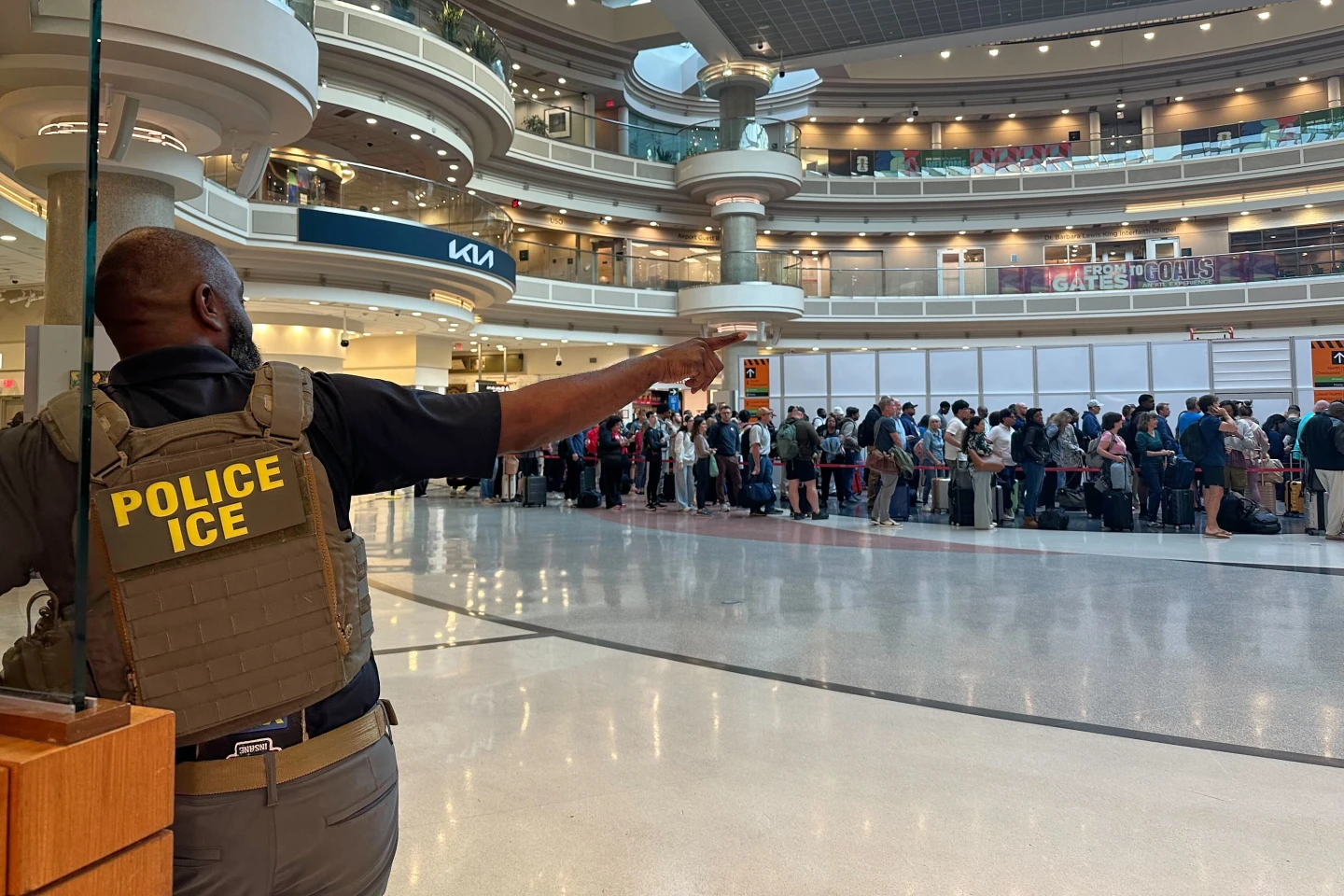
Walz addressed the media following a meeting with Homan, who took charge of the enforcement operation in Minnesota during a period marked by controversy and public backlash following two fatal shootings by federal agents. The Democratic governor described the federal presence as an 'occupation' that has instigated a 'retribution campaign' against the state.
We are very much in a trust-but-verify mode, Walz stated, emphasizing that he expects to hear further updates from the federal government shortly, possibly within the next day or so. While expressing hope that federal actions are winding down, he cautioned that circumstances might change rapidly.
Walz remarked, “I hope Mr. Homan announces by Friday that this operation is concluded, bringing the presence of federal officers in Minnesota to an end soon.” He stated that while some federal officers are expected to scale back operations, a remaining contingent of 2,300 officers would still be active in Minnesota.
The crackdown has had ripple effects on the local economy, particularly in areas like the food industry. Local business leaders reported that fear of ICE operations has severely impacted attendance and participation in commerce. Economic Development Commissioner Matt Varilek noted that the local restaurant sector is suffering collateral damage due to enforcement actions.
Despite Walz's optimism about changing federal posture, the governor faced challenges, such as a highly publicized ICE arrest that disrupted operations at the county courthouse, raising concerns about racial profiling and local justice administration.
Overall, while there is cautious optimism about the potential reduction of federal enforcement in Minnesota, ongoing tensions highlight the complexity of immigration issues within the state.