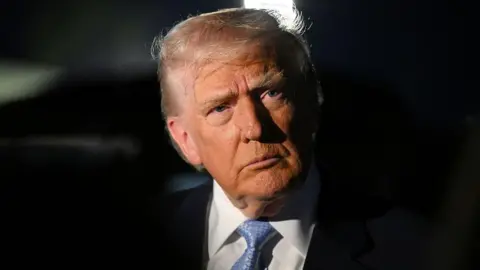
A threat by President Donald Trump to impose fresh tariffs on eight allies opposed to his proposed takeover of Greenland has drawn condemnation from European leaders.
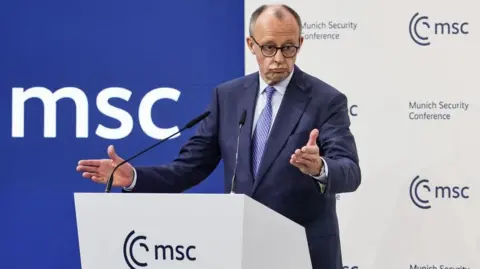
UK Prime Minister Keir Starmer said the move was completely wrong while French President Emmanuel Macron called it unacceptable. Swedish PM Ulf Kristersson stated: We won't let ourselves be blackmailed.
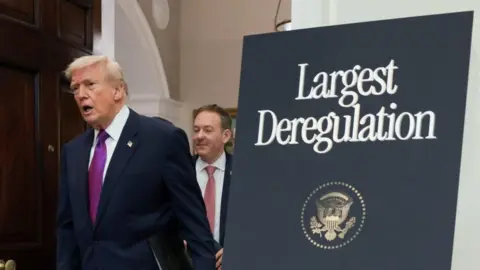
The comments came after Trump announced a 10% tariff on goods from Denmark, Norway, Sweden, France, Germany, the UK, the Netherlands, and Finland, effective February 1, which could later rise to 25% until a deal was reached.
Mr. Trump insists that the autonomous Danish territory is critical for U.S. security and has not ruled out the possibility of taking it by force.
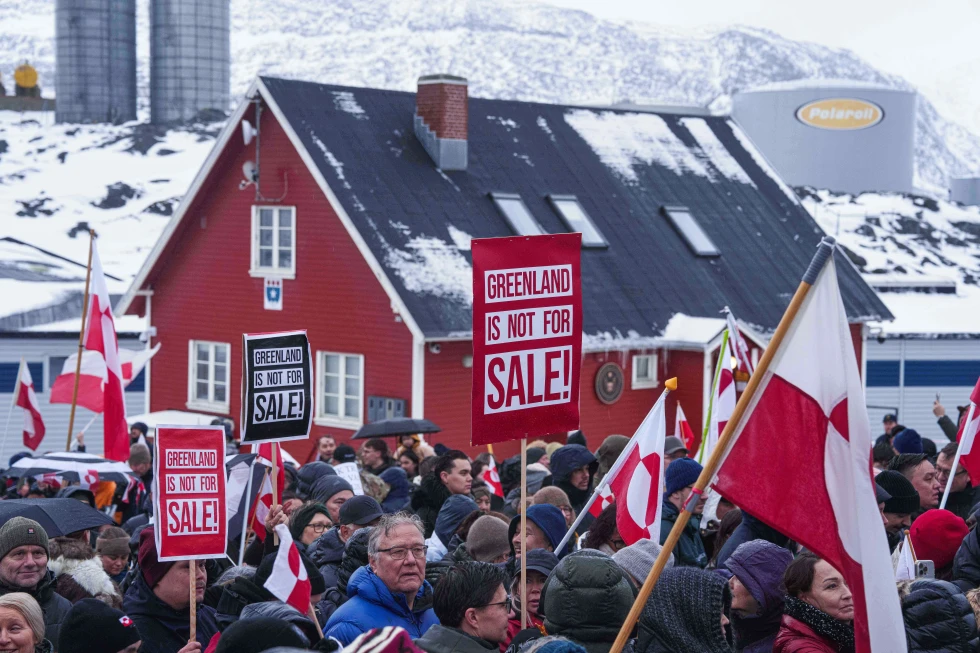
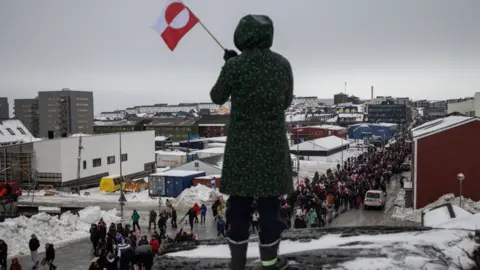
Meanwhile, thousands protested in Greenland and Denmark against the proposed U.S. takeover. Greenland's remote yet resource-rich location between North America and the Arctic makes it strategic for military monitoring.
Trump's tariff announcement, described by European leaders as an intimidation tactic, exacerbates tensions with vital NATO allies. Both Macron and Starmer highlighted that such measures undermine collective security efforts.
In a social media post, Trump warned that the U.S. security interests in the Arctic region necessitate strong action, fine-tuning existing trade relationships under pressure.
Protests in support of self-determination for Greenlanders have galvanised public sentiment against the U.S. takeover ambitions, with opinion polls showing significant discontent among Greenlanders regarding plans for annexation.
Escalating this geopolitical standoff, top European officials have stressed that the future of Greenland should be a matter for discussions within an international framework rather than unilateral actions.
As diplomatic tensions unfold, the proposed tariffs represent a pivotal moment in U.S.-Europe relations, engaging both trade negotiations and security dialogues in the Arctic domain.