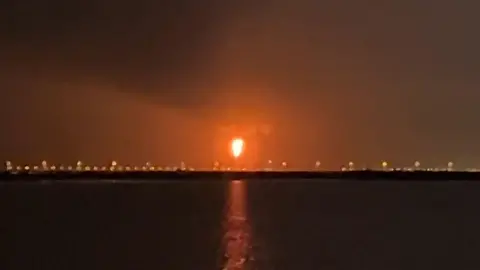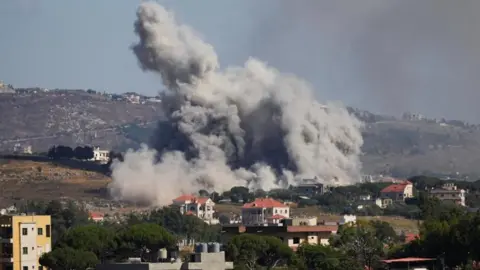
The conflict now engulfing parts of the Middle East is echoing European crises of the past. Just seven months after Russia's full-scale invasion of Ukraine, Ursula von der Leyen, then President of the European Commission, condemned Russia for manipulating the continent's energy market. They prefer to flare the gas than to deliver it, she stated. Fast forward to today, and similar upheavals in energy markets, exacerbated by conflicts in the Middle East, reveal that Europe has yet to fully escape the vulnerabilities of its energy dependencies.
This hidden frustration among officials suggests that Europe is experiencing yet another energy shock as it attempts to rally national leaders towards effective long-term solutions. Instead, political pressure is mounting as leaders face an influx of angry voters.
Four years ago, Europe vowed to pivot away from Russian gas; however, reliance on the US and Norway for liquefied natural gas (LNG) has intensified. With a dwindling energy supply chain and spiraling prices, EU leaders are poised to discuss immediate relief measures.
The war in the Middle East has reignited fears of energy insecurity, causing prices to surge considerably as the continent braced for another winter. While short-term solutions may ease immediate pressures, the fundamental challenge of ensuring energy security in the face of global turmoil remains.
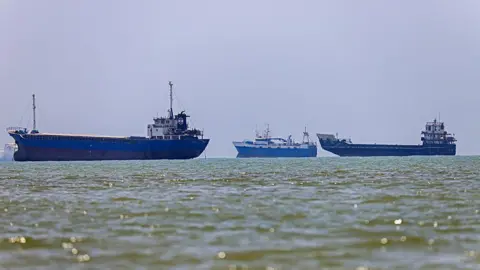
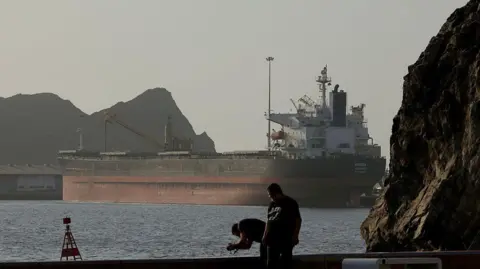
Experts suggest that the EU’s reliance on external suppliers may exacerbate future vulnerabilities, especially if the ongoing conflict disrupts critical supply routes like the Strait of Hormuz. Higher energy costs could heighten regional tensions, complicating unity among member states.
This moment could serve as a critical juncture for Europe, with leaders weighing the need for renewed dependencies against the urgency for sustainable alternatives. Long-term changes are crucial, yet the window for decisive action may be closing as pressures mount both from within and outside the EU.