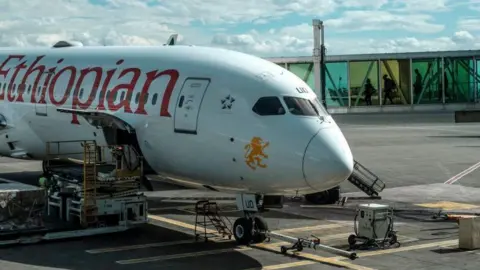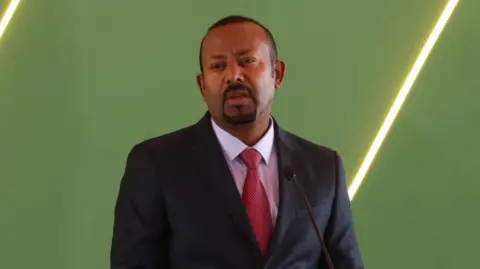
Ethiopia’s ruling Prosperity Party, led by Prime Minister Abiy Ahmed, captured an overwhelming landslide in the country’s recent parliamentary elections, winning 438 of the 501 contested seats. The victory clears the way for a second term for Ahmed and enforces his promise of continued economic gains for Ethiopia.
Yet the triumph came amid a backdrop of unresolved security concerns. On election day, 143 polling stations in the two most populous regions – Amhara and Oromia – did not open due to armed group activity. Separately, the Tigray region was barred from voting altogether after a devastating civil war, which ended only in 2022, renewed fears of a fresh conflict.
According to local experts, the Fano militia in Amhara and the pro‑republican Oromo Liberation Army in Oromia have rejected the poll and its results, demanding greater autonomy and resisting the government’s authority. Meanwhile, in Tigray, the Tigray People’s Liberation Front has been accused of forcibly recruiting young men while the government maintains it only offers defensive training.
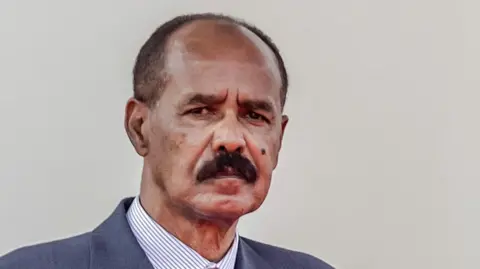
International observers warn of a slippery slope toward regional war. The European Union urged immediate de‑escalation across northern Ethiopia, while the United States imposed visa restrictions aimed at “hardline members of the TPLF and their families.” The broader geopolitical context is equally volatile; Ethiopia’s past partnership with Eritrea and the federated state’s control of border regions, coupled with lingering distrust and recent diplomatic clashes, add an additional layer of uncertainty.
According to analyst Magnus Taylor, the low‑level tensions could spark a larger theatre of war should any parties interpret a “signal” to commence conflict. Prime Minister Ahmed’s move to re‑establish centralized authority, paired with the strained relationship to the TPLF, inflames speculation surrounding the stability of the region, and may set the stage for a renewed uprising if the grievances of diverse actors are not addressed through dialogue.
While the Prosperity Party’s victory secures a powerful foothold on Ethiopian politics, it also underscores the urgency for peaceful resolutions, thereby navigating toward either sustained stability or a fresh wave of violence in one of Africa’s largest nations.