The latest release from Ethiopia's biggest music star, Teddy Afro, has stirred significant attention and controversy with its critical stance on the current government. The song, titled 'Das Tal,' meaning 'put up the tent,' has amassed over seven million views on YouTube since its debut. This striking number highlights the public's resonance with Afro's messages that often reflect the national mood.
Teddy Afro, whose real name is Tewodros Kassahun, uses the song to express grief for a nation he perceives as having lost its identity. With poignant lyrics that touch on themes of alienation, he laments, The spirit of being Ethiopian is now pushed away. He continues, articulating feelings of mourning and estrangement from his homeland, as he reflects on the disintegration of communal ties and cultural heritage.
The anticipation surrounding the song was heightened by issues surrounding its release, including a preview event for journalists in Addis Ababa that was abruptly canceled, adding to the intrigue of the song's messaging. In 'Das Tal,' Teddy Afro mourns not just the loss of personal identity but the collective sorrow of a country in turmoil.
Historically, Teddy Afro has been a vocal critic of government inaction and a champion for social justice. His music is often interwoven with calls for unity and patriotism, despite the political backlash he has faced, including imprisonment on charges deemed politically motivated two decades ago. His previous album, 'Ethiopia,' released in 2017, also faced government censorship but achieved significant sales, peaking on global music charts.
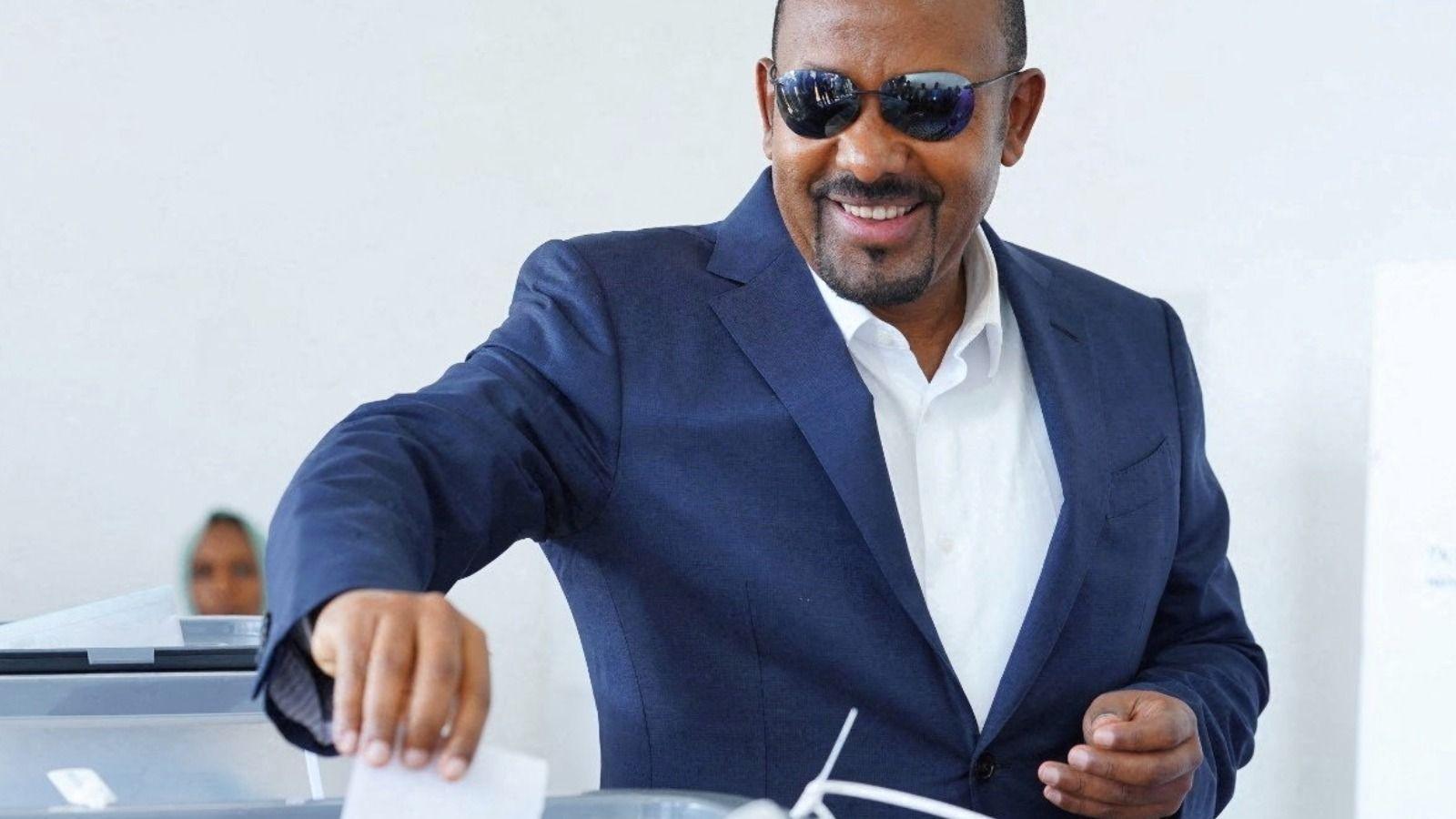
The urgency of his message is all the more poignant as Ethiopia stands on the cusp of a general election in June, with the Prime Minister, Abiy Ahmed, having previously promised national unity amidst ethnic tensions. However, the emerging violence and political strife have left many disillusioned, prompting artists like Teddy Afro to take on a pivotal role in expressing the hopes and frustrations of their communities.
As viewers continue to engage with Afro's latest work, it stands as a powerful reminder of the influence of music in political discourse and social commentary, positioning the artist as a critical voice in contemporary Ethiopian culture.