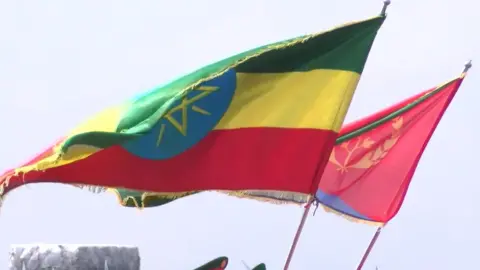
Eritrea has hit back at accusations from its neighbor Ethiopia, calling claims that its troops have crossed into Ethiopian territory false. The tension sparked when Ethiopia's foreign minister sent an urgent letter demanding that Eritrean soldiers withdraw.
Ethiopian officials accused Eritrea of conducting joint military maneuvers with Ethiopian rebels and supplying them with weapons, labeling these actions as outright aggression. Eritrea countered that such accusations are part of a broader, hostile agenda targeting the country over the past two years.
This situation is particularly worrying given the fraught history between the two nations, which fought a bitter border war from 1998 to 2000, resulting in over 100,000 deaths. Despite a peace deal that was established years later, tensions have remained high, especially as relations soured following Eritrea's support of Ethiopian forces during Ethiopia's civil strife.
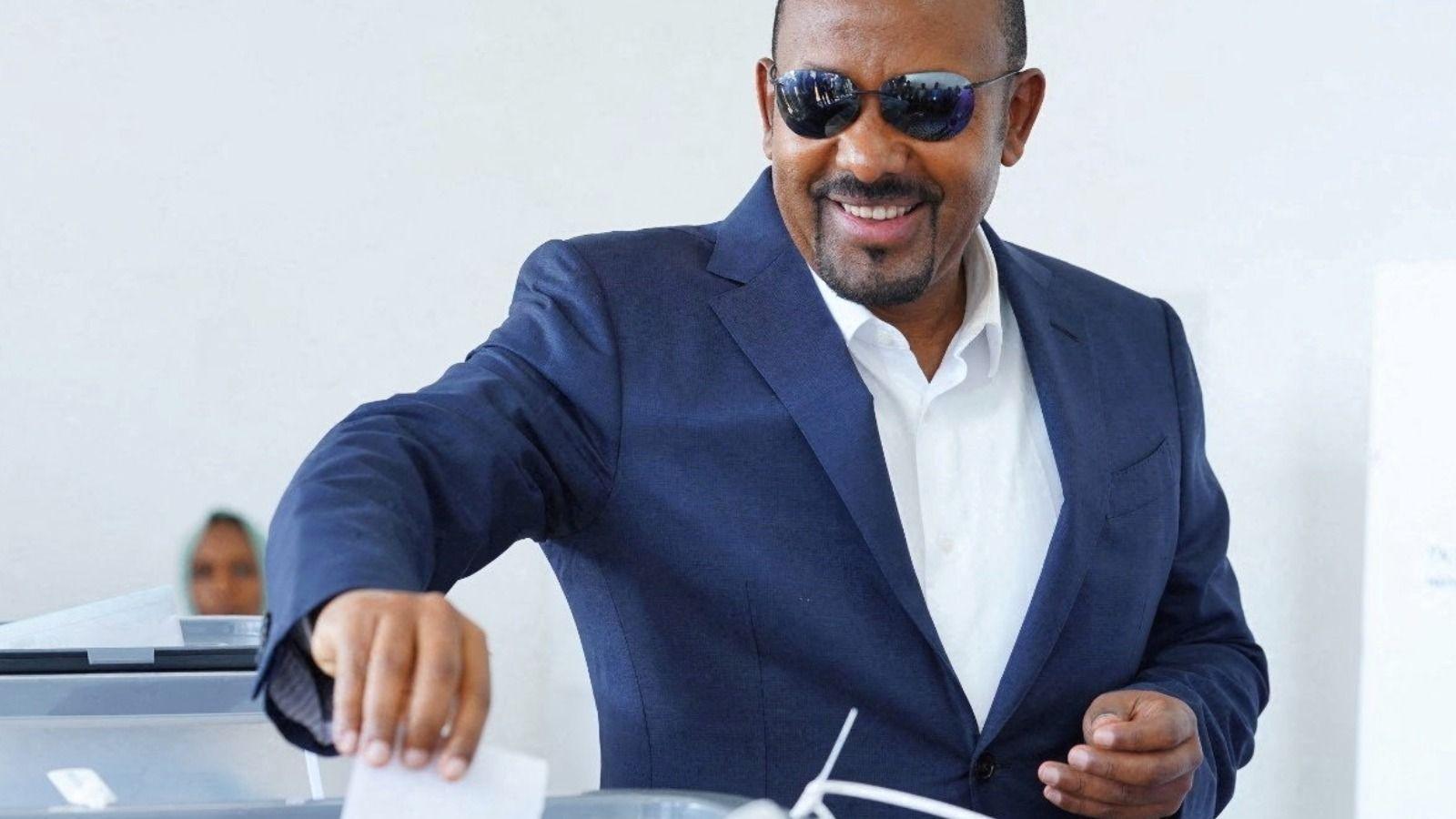
Ethiopia's Foreign Minister, Gedion Timothewos, accused Eritrea of escalating the conflict and undermining the peace process. He expressed that the recent military actions constitute not only provocations but acts of war.
Both nations have a complex relationship fueled by a desire for regional dominance and access to resources, with Ethiopia seeking access to the sea—a vital issue following Eritrea's independence. Eritrea's response emphasized its reluctance to engage in further conflict, asserting that it has no interest in escalating hostilities.
In a recent development, Ethiopia's leader pointed fingers at Eritrean forces for previous massacres during the Tigray conflict, a charge Eritrea has denied. As both sides gear up for potential confrontation, regional stability hangs in the balance—evoking fears of another devastating conflict in the Horn of Africa.