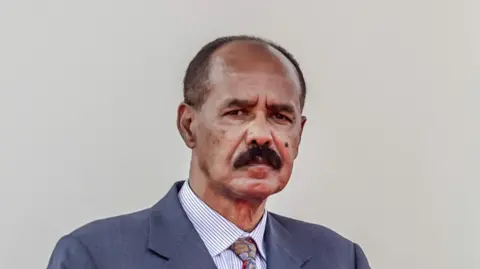
Eritrea has officially withdrawn from the East African regional bloc known as the Intergovernmental Authority on Development (IGAD), claiming the organization has failed in its mandate to promote stability among its member states. The Eritrean Foreign Ministry's statement on Friday articulated concerns that IGAD has become a tool for political agendas against nations like Eritrea.
This decision comes as both Eritrea and Ethiopia engage in a heated exchange of accusations, with fears of potential military escalation rekindling amidst their historically fraught relations. Eritrea’s latest complaint cites that since its return to IGAD in 2023, the country has not received any meaningful engagement or proposals from the bloc.
IGAD, which also includes countries like Ethiopia, Kenya, and Uganda, was established with a mission to enhance regional cooperation, security, and food security in East Africa. Eritrea claims that the bloc has long sided with Ethiopia during various disputes, affecting its strategy for national security.
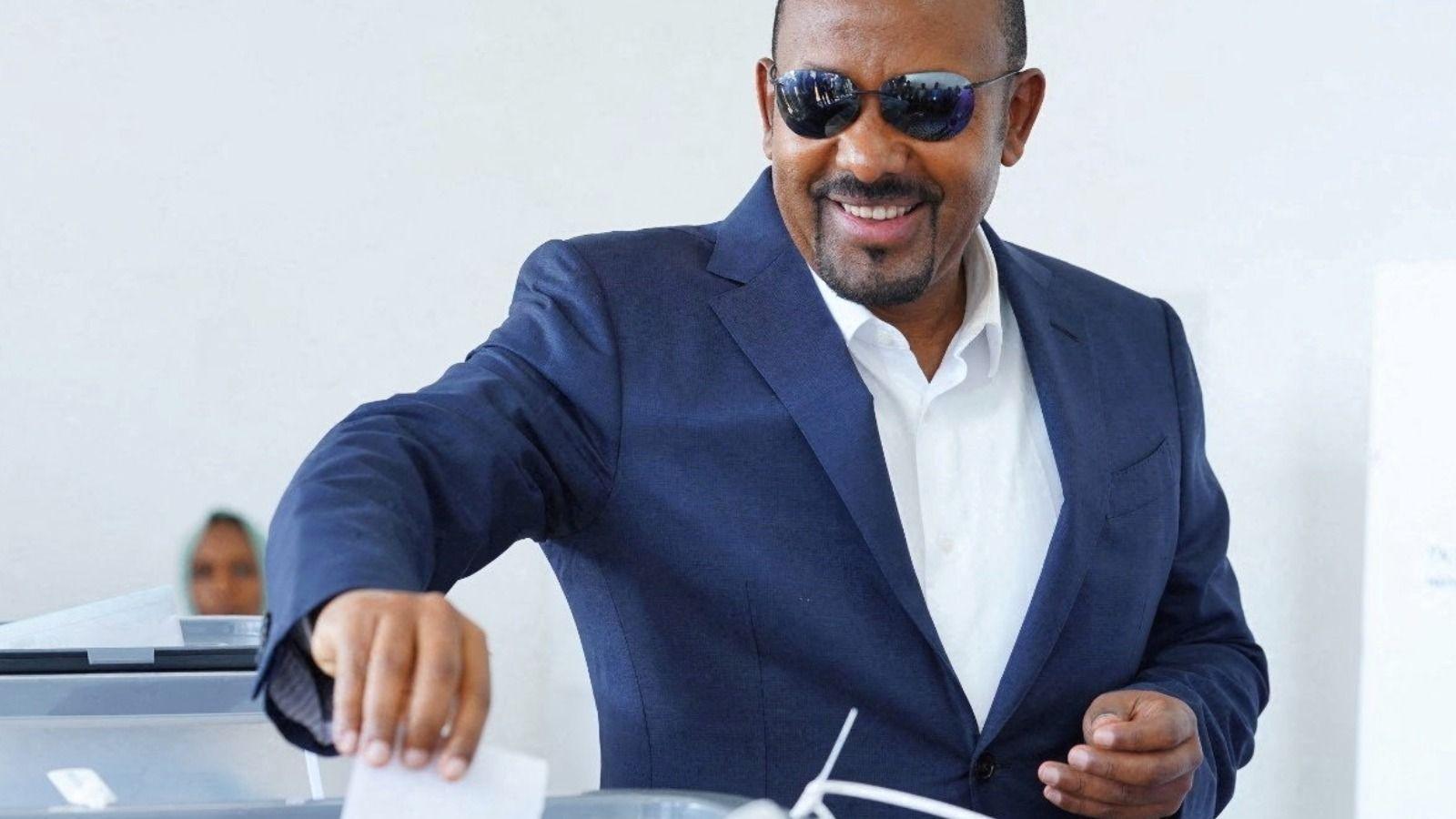
The historical backdrop reveals a significant rift, with Eritrea having previously left IGAD in 2007 during tensions with Ethiopia—it only rejoined recently. The renewed withdrawal comes during a period where Ethiopian Prime Minister Abiy Ahmed has made demands for access to the Red Sea through Eritrea, further straining relations.
Abiy’s push for sea access raises questions about Ethiopia's recognition of Eritrea's independence, a subject of contention following Eritrea’s secession in 1993. The situation remains volatile as the international community watches for developments that could escalate beyond diplomatic exchanges into armed conflict, given the region's history of violent confrontations.
Eritrea's exit from IGAD signifies not only a withdrawal from a regional commitment but also highlights the deepening political divides that prevail in the Horn of Africa.