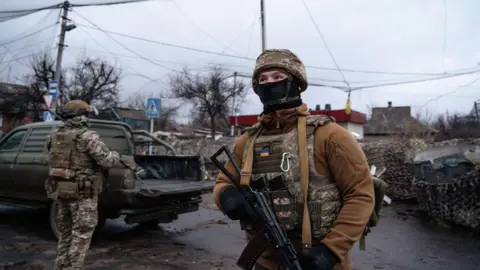
Over the past 10 months, Russian losses in the war with Ukraine have been growing faster than any time since the start of the full-scale invasion in 2022, BBC analysis suggests.
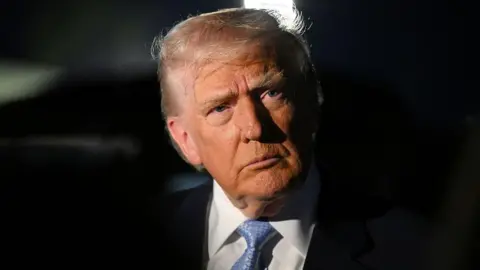
As peace efforts intensified in 2025 under pressure from US President Donald Trump's administration, 40% more obituaries of soldiers were published in Russian sources compared with the previous year.
Overall, the BBC has confirmed the names of almost 160,000 people killed fighting on Russia's side in Ukraine.
BBC News Russian has been counting Russian war losses together with independent outlet Mediazona and a group of volunteers since February 2022. We keep a list of named individuals whose deaths we were able to confirm using official reports, newspapers, social media, and new memorials and graves.
The real death toll is believed to be much higher, as military experts estimate our analysis could represent 45-65% of the total. This would suggest Russian deaths could be between 243,000 and 352,000.
The number of obituaries provides a preliminary estimate of confirmed losses, indicating how the intensity of fighting is evolving.
2025 started with a relatively low number of published obituaries, which then surged in February as Trump and Russian President Vladimir Putin discussed potential resolutions to the conflict.
Further peaks occurred in August during a diplomatic summit in Alaska, and again in October when a second summit was postponed, resulting in an average of 322 obituaries published per day.
While it’s challenging to pinpoint the reasons behind the rising Russian casualties, ongoing territorial disputes continue to affect negotiations, with Kremlin representatives insisting that recent battlefield successes can influence talks.
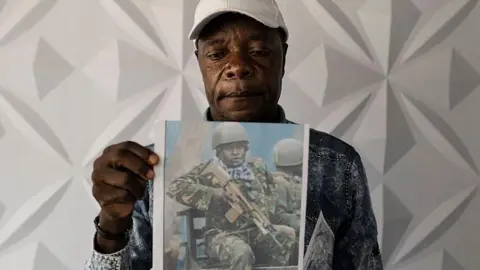
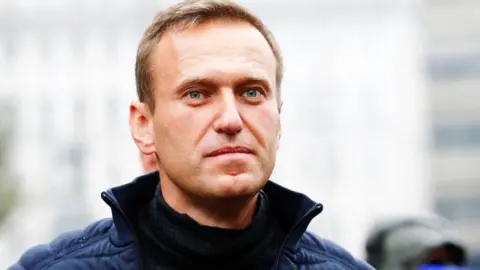
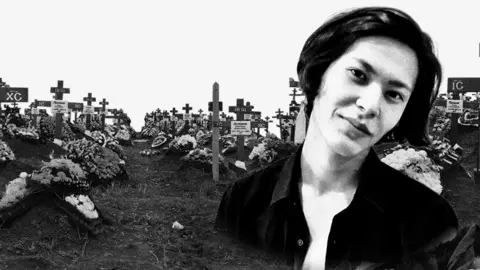
Murat Mukashev's case represents a tragic example of these dynamics. Mukashev, previously an activist against the Russian government, faced severe charges leading to a significant prison sentence. After reconsidering in prison, he enlisted with the military in the hope of securing an early release, only to lose his life in the ongoing conflict in June 2025.
By October, Russian recruitment policies focused heavily on attracting new soldiers through incentives. Reports indicate that local governments were actively recruiting individuals with substantial debts or those in financial distress.
According to NATO figures, while Russian military losses are staggering, they are reportedly still managing to recruit more soldiers than the casualties sustained, leading to further complexities in the war effort.
Tensions remain high on all fronts, and as both Russia and Ukraine suffer significant losses, the humanitarian cost of the conflict continues to escalate.