A majority of the American public, polls suggest, have been against the ongoing US-Israeli military campaign in Iran from the day it started. Republicans, however, have largely stuck by their president as the war approaches the end of its fourth week. But that may be changing.
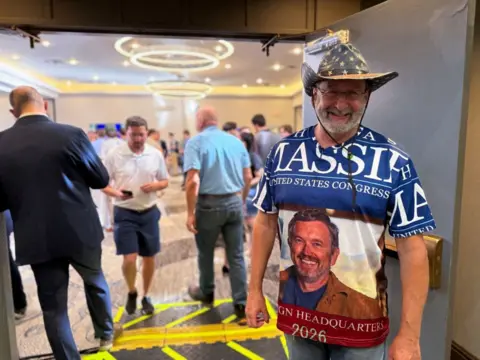
At the annual Conservative Political Action Conference (CPAC) in Texas, some of the party faithful expressed concern about why the US started this war, how Donald Trump is going to end it, and whether the effort has been worth the costs.
I just wish that there was more transparency on why we're doing what we're doing, said Samantha Cassell, a conference attendee. I hope it comes to an end quick, because it's the cost of living, the oil and gas, the prices are only going to keep going up.
Cassell, along with her friend Joe Bolick, attended CPAC for the first time and voiced doubts about the war. They, like many younger conservatives, are questioning the need for military intervention abroad when pressing issues at home remain unresolved.
Toby Blair, a 19-year-old college student, traveled to Dallas with his friend, increasingly feeling that the military conflict is not in America's best interests. I don't like that it's become America's job to find bad people and get rid of them, he noted, echoing sentiments of disapproval among many of his generation.
CPAC has shifted from a libertarian-leaning gathering to one dominated by MAGA loyalists over the years, and the split in opinions about the Iran conflict is creating tension among its attendees.
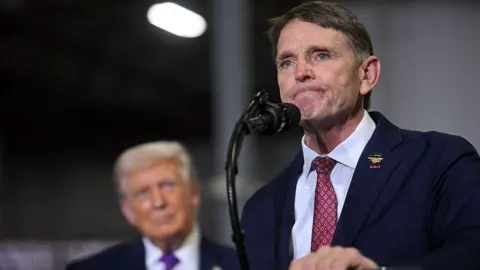
Some older conservatives, however, feel a stronger obligation to support military operations. Michael Manuel-Reaud, founder of the "Trump Tribe of Texas," emphasized the need to confront threats. [Trump] can't just quit. He's not going to stop until he finishes, he remarked.
The divergence in views at CPAC reflects polling data revealing that while 79% of Republicans approve of how Trump is handling the war, only a minority of young Republicans express the same level of support.
The growing rift indicates that younger conservatives are more inclined towards a foreign policy that prioritizes domestic issues and avoids lengthy military engagements, a drastic shift from older generations who support more aggressive approaches.
The reaction from Iranian-Americans attending CPAC, who enthusiastically support the military operation, adds another layer of complexity to the conference's atmosphere, underscoring the mixed sentiments surrounding the war and its implications for the GOP's future.
As pressure mounts for Trump to provide clarity and direction on US involvement in Iran, the divisions within the party could pose challenges in upcoming elections if younger voters feel disassociated from the party's foreign policy stance.