Gen Z Power: A Tale of Two Nations' Youth Movements
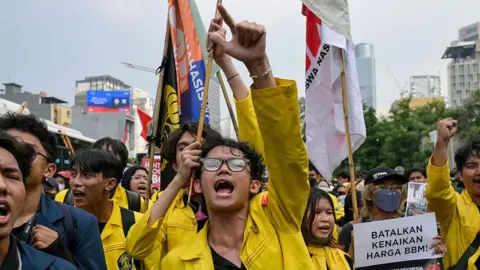
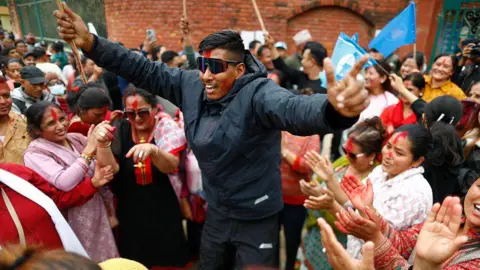
In recent months, the spotlight has shone on the contrasting political trajectories of Nepal and Bangladesh, particularly regarding the involvement and achievements of Gen Z activists. In Nepal, the emergence of a new youth-driven government led by Prime Minister Balendra Shah marks a historic victory for youthful lawmakers. Conversely, Bangladeshi protesters who ended a long-standing government in 2024 find themselves at a political impasse.
As Nepal celebrated the inauguration of its youthful leaders, Bangladeshi activist Umama Fatema expressed disappointment over the stagnation following her country’s protests. Despite significant demonstrations that successfully deposed the Abdul Qadir-led government, the first post-protest elections saw the Bangladesh Nationalist Party (BNP)—an established political entity—secure a decisive victory, relegating the newly formed National Citizens' Party (NCP) to a minor role.
In stark contrast, Nepal’s Rastriya Swatantra Party (RSP), only four years old, emerged triumphant in recent elections, indicative of a shift in public sentiment against traditional parties that have long been plagued by allegations of corruption. The RSP's victory, underscored by a coalition with Shah, saw an influx of young politicians into parliament, providing a fresh political dynamic in a country tired of the status quo.
Analysts attribute Nepal's success to a combination of strategic choices and political conditions that allowed the RSP to resonate deeply with voters. In the case of Bangladesh, the NCP struggled to maintain the momentum generated by protests, facing challenges in building a cohesive party structure and struggling with negative public perceptions due to controversial coalition decisions.
The situation is complex, with societal factors in Bangladesh, including established party dynamics and public perceptions of youth movements, further complicating the effectiveness of youth-led political change. In contrast, the relatively open political field and public discontent in Nepal allowed youth voices to thrive, leading to a unique moment of empowerment.
For Gen Z activists in both nations, the journey is far from over. While Nepalese lawmakers vow to uphold the aspirations of their electorate against corruption and inefficiency, Bangladeshi youth leaders aim to rejuvenate their movement with hopes of future successes despite present setbacks. The future remains uncertain, yet the commitment to advocacy and change is strong among the youth of both countries.