
The river is still swollen with the ghosts of thousands of missing people.
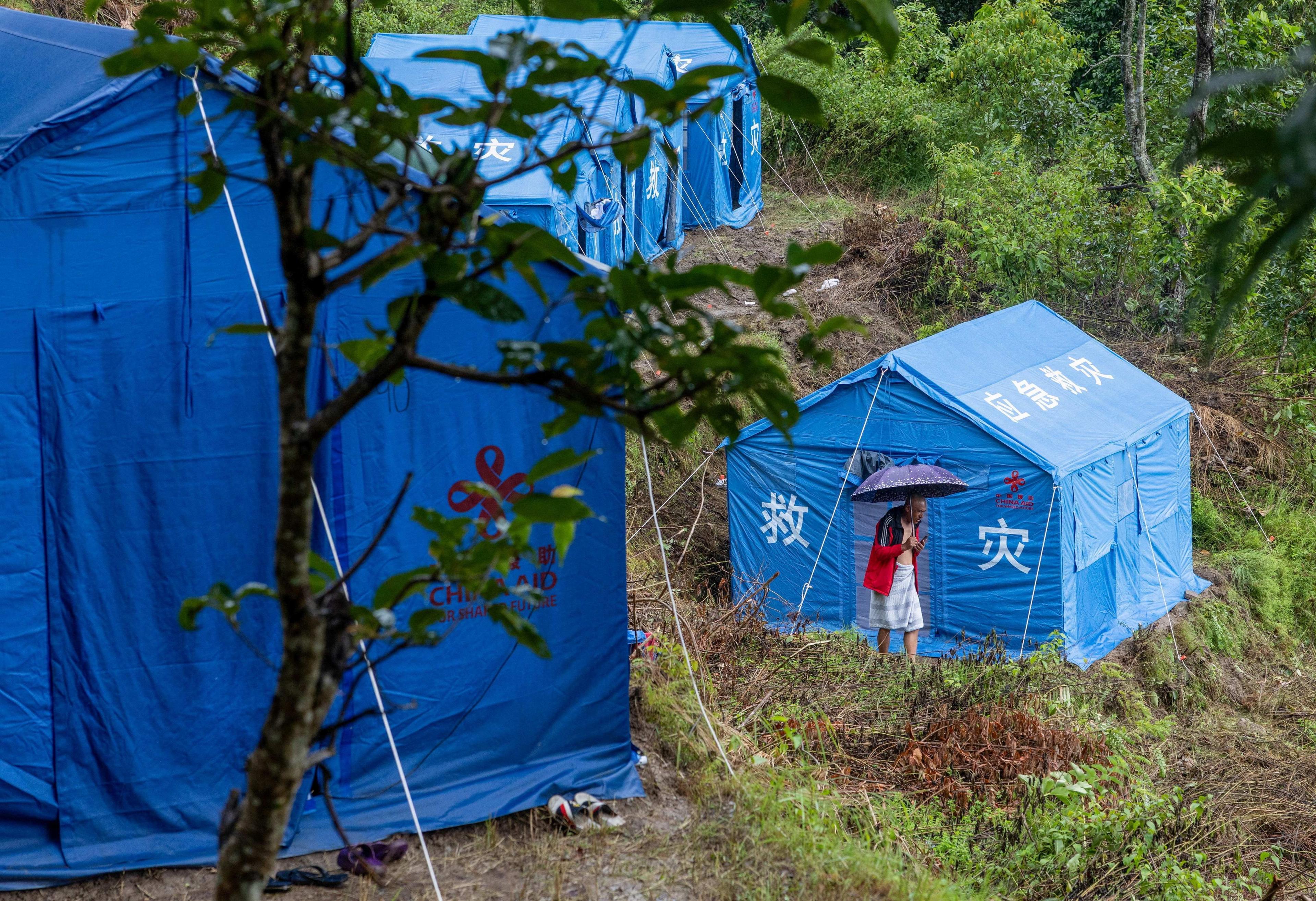
On the night of 26 August, a sudden surge of floodwater pounded the village of Betrawati, a few dozen kilometers north of Kathmandu, wiping out houses, roads and a school in a matter of minutes. Fifteen individuals from five families were reported missing, but their bodies were never found, and the government has halted the search because the flood reached the border with China and authorities were forced to divert resources to border security.
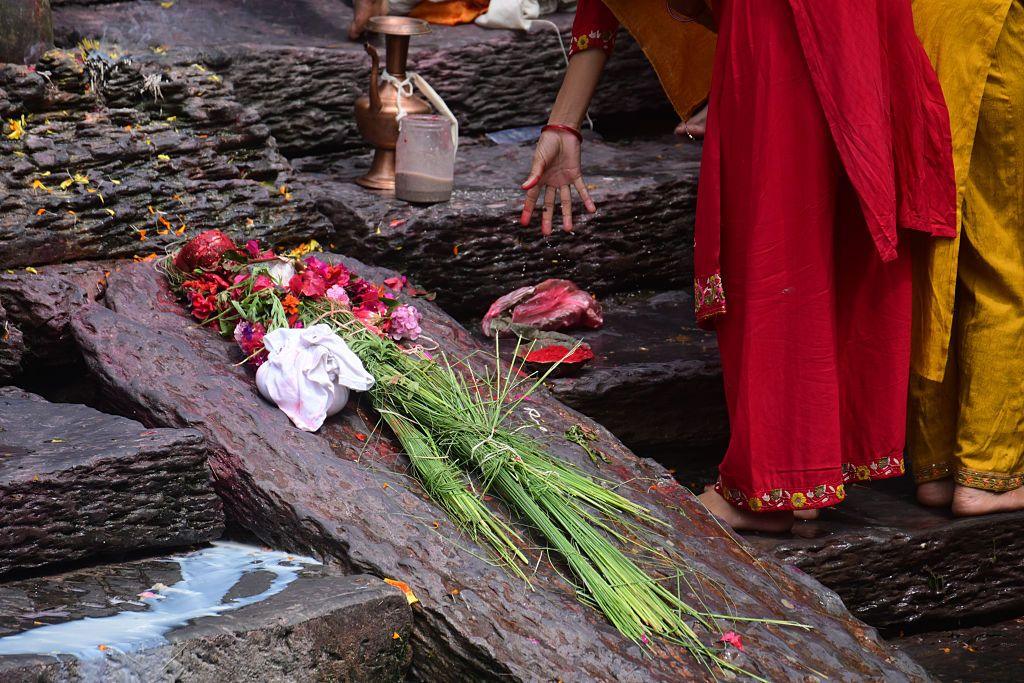
In the absence of bodies, families like that of Madan Lal Lawat have turned to a centuries‑old ritual. Priests at the Pashupatinath temple on the banks of the Bagmati River use a tuft of sacred kusha grass to carve a symbolic effigy, allowing relatives to perform cremation rites and say their last prayers.
In Nepal, a missing person is legally regarded as alive until five years have passed, and presumed dead only after twelve years. This bureaucracy places a huge financial burden on grieving families; without a death certificate they cannot claim the about 200,000 rupees of bereavement compensation, the 25,000 rupees for funeral costs or any property title transfers.
Lawat speaks of the crushing emptiness that haunts each day. "I don't know how to start over," he says, “the police are still searching and I doubt the bodies will ever be found.” His brother, Mangal, was killed while trying to warn neighbours to leave the floodplain—a fate shared by many.
Constitutional law scholar Bipin Adhikari notes the law’s origin: it was designed for people who had simply disappeared while traveling abroad, not for the instantaneous deaths caused by climate disasters. “Technology now allows us to verify identity quickly, yet the legal framework remains a relic of an earlier era,” he says.
The federal government has announced initiatives to amend legislation and fast‑track death certificates, but implementation lags. Local municipalities, such as Bidur in Rasuwa, report that families may still have to wait up to 12 years before they can access funds, a timeline that seems surreal in the aftermath of a lawless, life‑altering disaster.
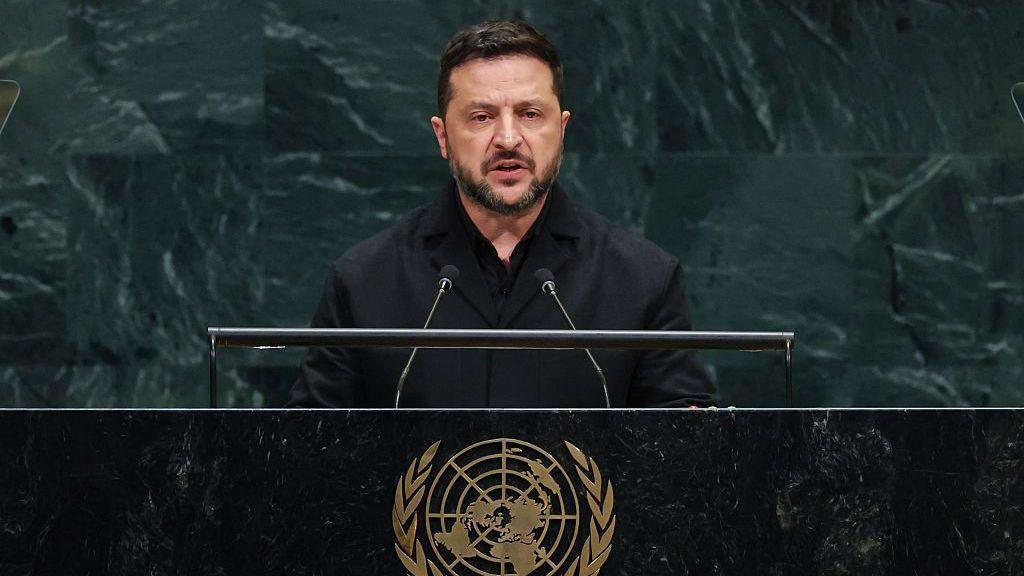
Prime Minister Balen Shah urged the UN General Assembly last week to consider grant‑based support instead of “new mega‑loans” for rebuilding. He added that the country’s economy, already fragile, cannot sustain additional debt amid rising climate‑induced damage.
As the nation struggles to weigh compensation against reconstruction, the story of Lawat and hundreds of other families underscores the urgent need for laws that adapt to the realities of dangerous weather. Until the legal system acknowledges and processes the untimely deaths, grieving families will remain trapped in a bureaucratic limbo, sacrificing their future for the hope that someone will one day return.