Tropical Glaciers Fade in Papua’s Sudirman Range

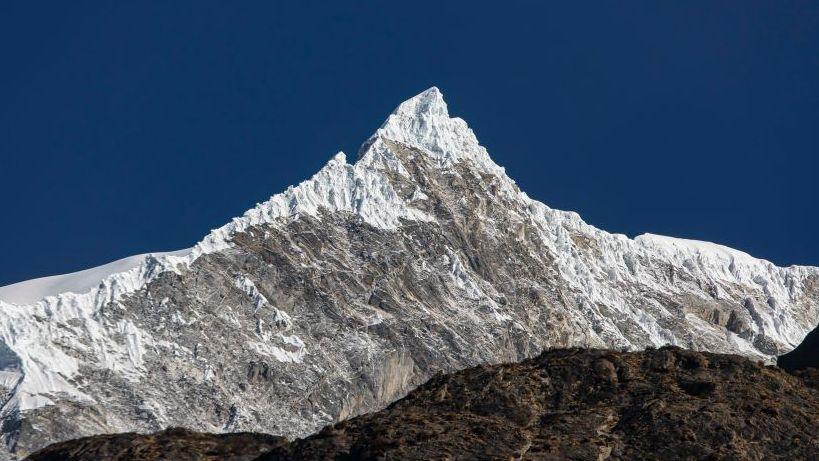
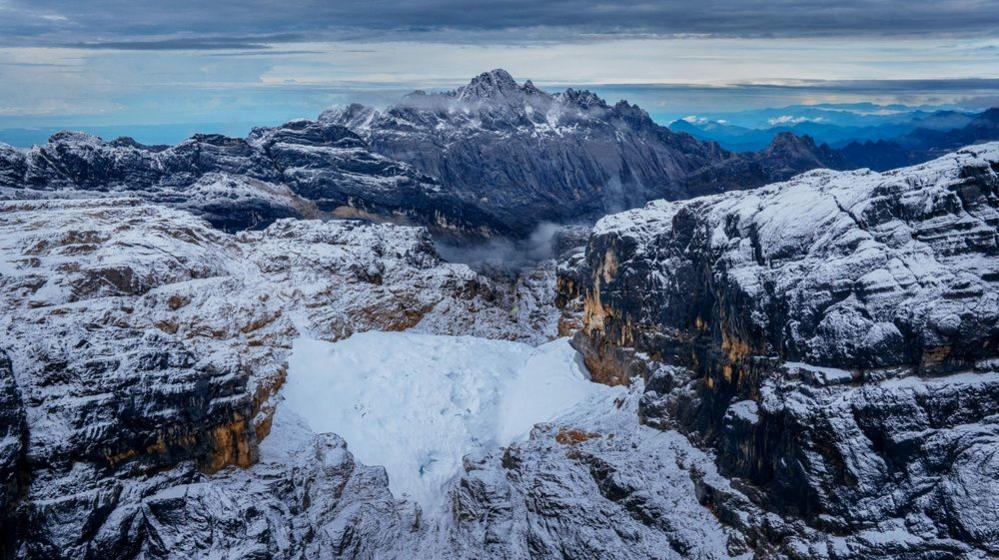
Only small patches of snow remain on Papua's Sudirman Range
The Sudirman Range sits just 450 kilometers south of the equator, yet it has harboured permanent ice for centuries. Scientists have long used the mountain’s glaciers as a record of historic climate, with ice cores revealing atmospheric conditions that pre‑date modern measurement instruments.
Recent surveys show the glacier area dropped from about 1,900 hectares in the late nineteenth century to a mere 16 hectares today – a 95% loss over a 125‑year period. The ice that once fringed four major peaks now survives only in isolated pond‑like patches near the summit of Carstensz Pyramid, with experts predicting a complete disappearance within the next two years.

Map and satellite image showing rapidly shrinking glaciers around Puncak Jaya in Indonesia's Papua region.
The loss of “eternal snow” has a dual blow: Scientific archives dating back millennia are vanishing and the sacred mountain, revered by several indigenous groups, is being stripped of its glacial visage. For the Moni and Amungme peoples, the snow‑covered peak is seen as a guardian spirit, symbolising purity, moral integrity and a guiding arrow on life’s path.
Adolfina Kum, an environmental activist, likens the removal of the mountain’s ice to uprooting a tree – the community’s roots are weakened, its cultural foundation destabilised. She warns that the mountain’s decline could erode both ecological resilience and spiritual identity.

The snow cover has reduced dramatically since this photo, taken in 1936
Geologists employ drones and 3D modelling to map the retreat, documenting a 95% reduction in glaciated area between the early 2000s and 2025. Klaus Thymann, leading the effort, emphasises that glaciers act as sensitive indicators of atmospheric warming, urging the international community to act.
Beyond climate implications, rapid glacier loss is intertwined with human activity. Mining and road development, especially surrounding the Grasberg copper‑gold project, have reshaped indentations on the mountain flank, altering ecosystems and causing social tension among local tribes.
While such developments bring infrastructure and jobs, environmental advocates raise concerns over long‑term damage to ancestral lands and the indispensable cultural resources tied to the mountain’s ice.
As the ‘eternal snow’ dissolves, scientists and communities race to capture the dwindling ice before its last glacial record disappears. The fate of these tropical glaciers sits on the front line of the broader climate crisis, reminding us that even the softest, weather‑worn ridges reveal the planet’s rapid warming.