South Korea has summoned Ukraine’s acting ambassador, Andrii Vieshkin, after President Volodymyn Zelensky publicly disclosed the transfer of two North‑Korean soldiers—captured during the conflict in Russia—to Seoul. The Seoul government insists the move was meant to remain secret to protect the soldiers’ families and to avoid giving Ukraine a bargaining chip for exchanging its own prisoners.
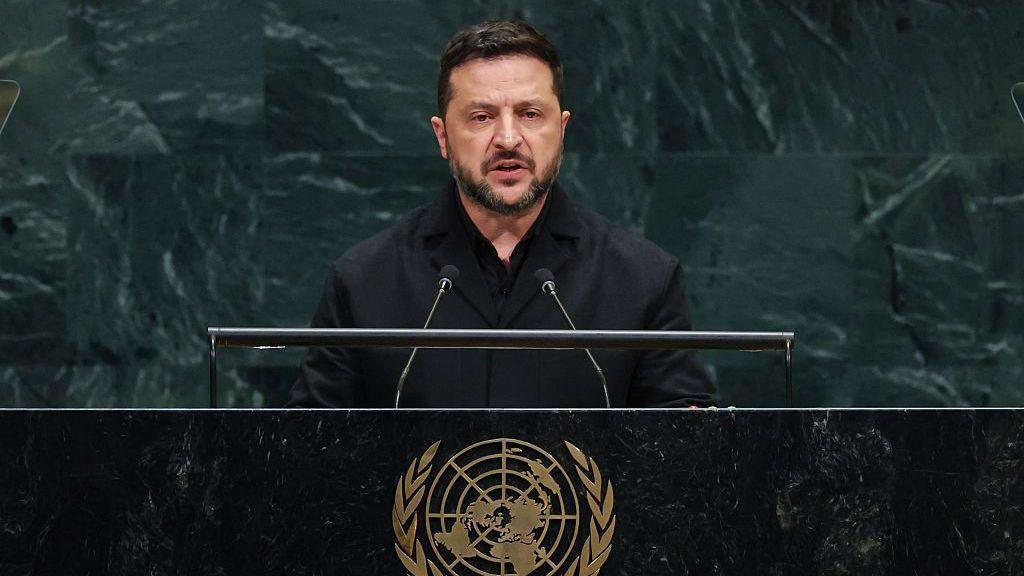
Vice Foreign Minister Park Yoon‑joo lodged a formal complaint, expressing “strong regret” that the information was revealed in a UN General Assembly speech. President Lee Jae‑myung called the disclosure “greatly disappointing,” adding the transfer was a “highly sensitive issue” affecting national security.
Ukraine has said it would not comment further, while Korean officials demand an apology and stress that the issue has seriously damaged trust between the two countries. Earlier this year, Ukraine reported that two North‑Korean soldiers were captured in Russia’s Kursk region; the soldiers later “expressed a desire to be sent to South Korea.”
The spat underscores the knotty relationship between Seoul, Kyiv and Pyongyang. Seoul has long pursued trade and diplomatic ties with both Russia and China, framing it as a strategic counter‑balance to U.S. influence. Yet it refuses to supply lethal weapons to conflict participants. With North Korean troops now backing Russia, Kyiv has pressed Seoul for advanced anti‑air equipment, citing rising drone and missile threats to Ukraine’s energy infrastructure.
The incident also reflects the broader geopolitical chessboard: Russia warns that it is willing to retaliate if Seoul delivers arms to Ukraine, while Seoul announces a $100 million assistance package—primarily non‑lethal gear—in July. As Seoul navigates its national security interests and diplomatic calculus, the fate of the two soldiers remains a flashpoint for tensions within the region.