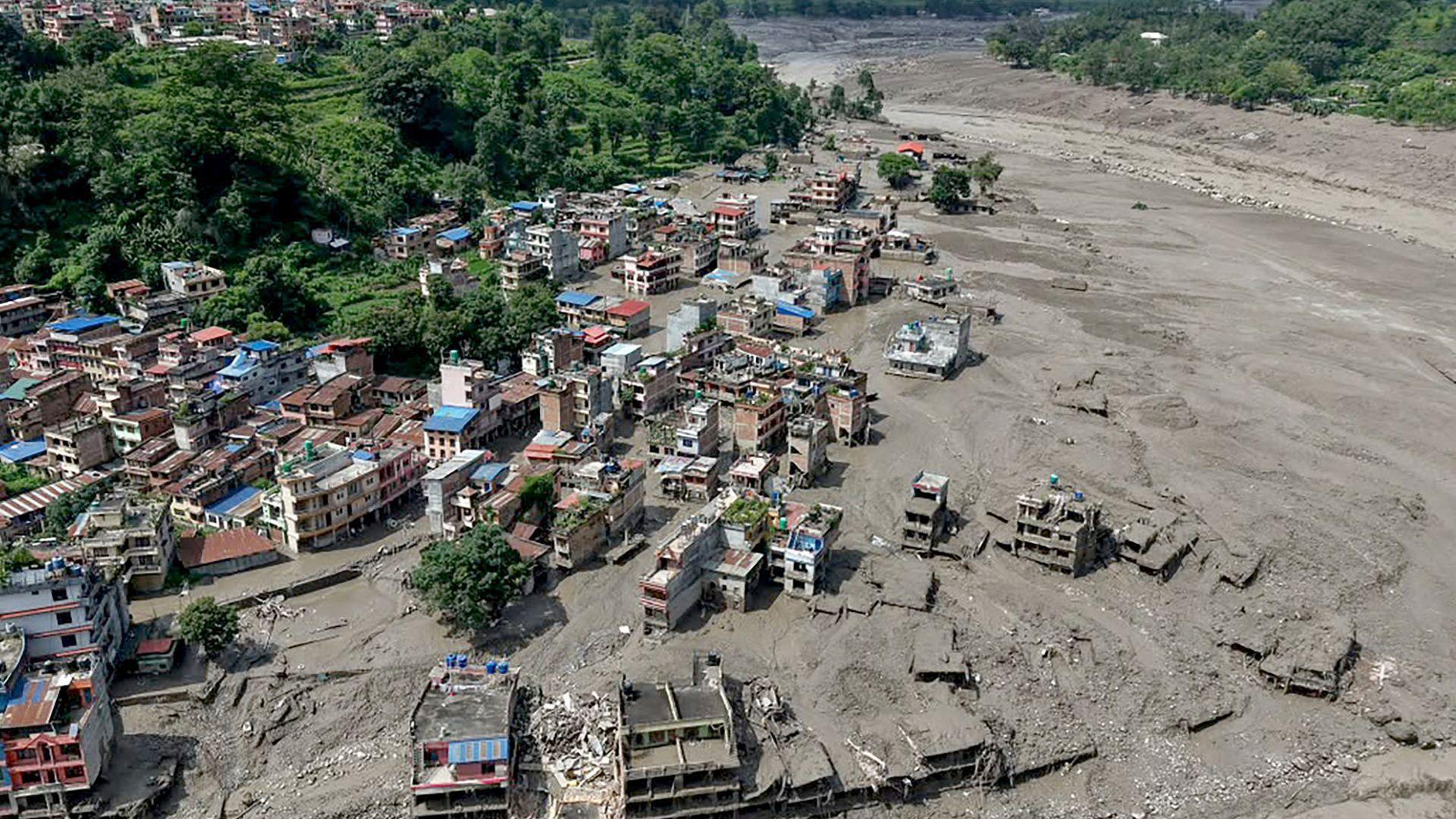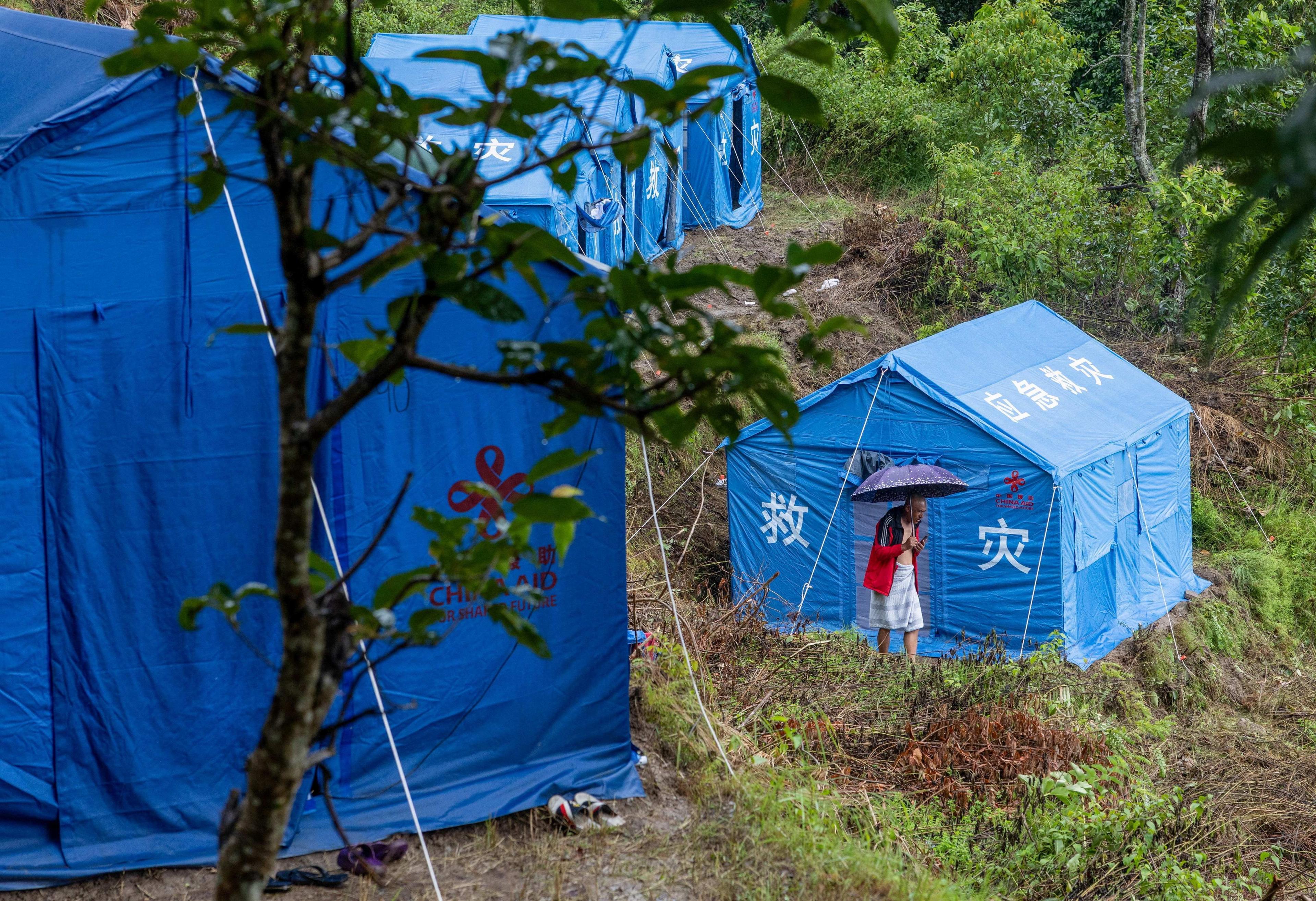
A new wave of deadly landslides and heavy rain have hit Nepal, adding to August’s catastrophic floods that killed 1,400 people and left thousands missing.
The national disaster management authority reports more than 1,900 families have been affected since late last week. Over 240 homes suffered damage, while roads, bridges and key infrastructure have been swept away. In the trekking region, no deaths have yet been recorded, but officials warn that the risk of avalanches and further slides remains high.
Helicopters rescue Annapurna Circuit trekkers
Hundreds of trekkers, including many from the popular Annapurna Circuit – a cornerstone of Nepal’s tourism economy – were forced to cut their hikes short. Many were air‑lifted from the high‑altitude districts of Manang and Mustang, where the usual mountain routes have been disrupted by washed‑out roads and collapsed bridges. Fresh accounts from the highlands describe how trekkers had to craft makeshift paths, traverse 15–28 landslides and in some cases use their own trekking poles to navigate steep, muddy slopes.
Personal toll and local communities in shock
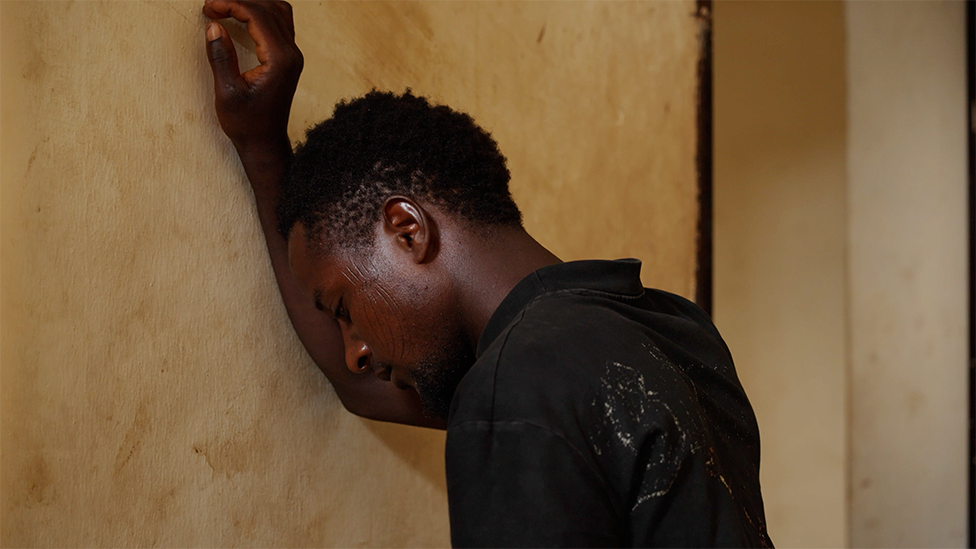
In the town of Battar, north‑west of Kathmandu, local resident Buti Tamang told reporters that their hut was destroyed and many relatives had been lost. “We used to live in a hut, but now there is nothing,” he said. Ramesh Ghale, forced to flee his home, added that the new tent leaking from the rain made survival even harder, leaving many “with nowhere to go.”
Rescue and recovery amid chaotic terrain
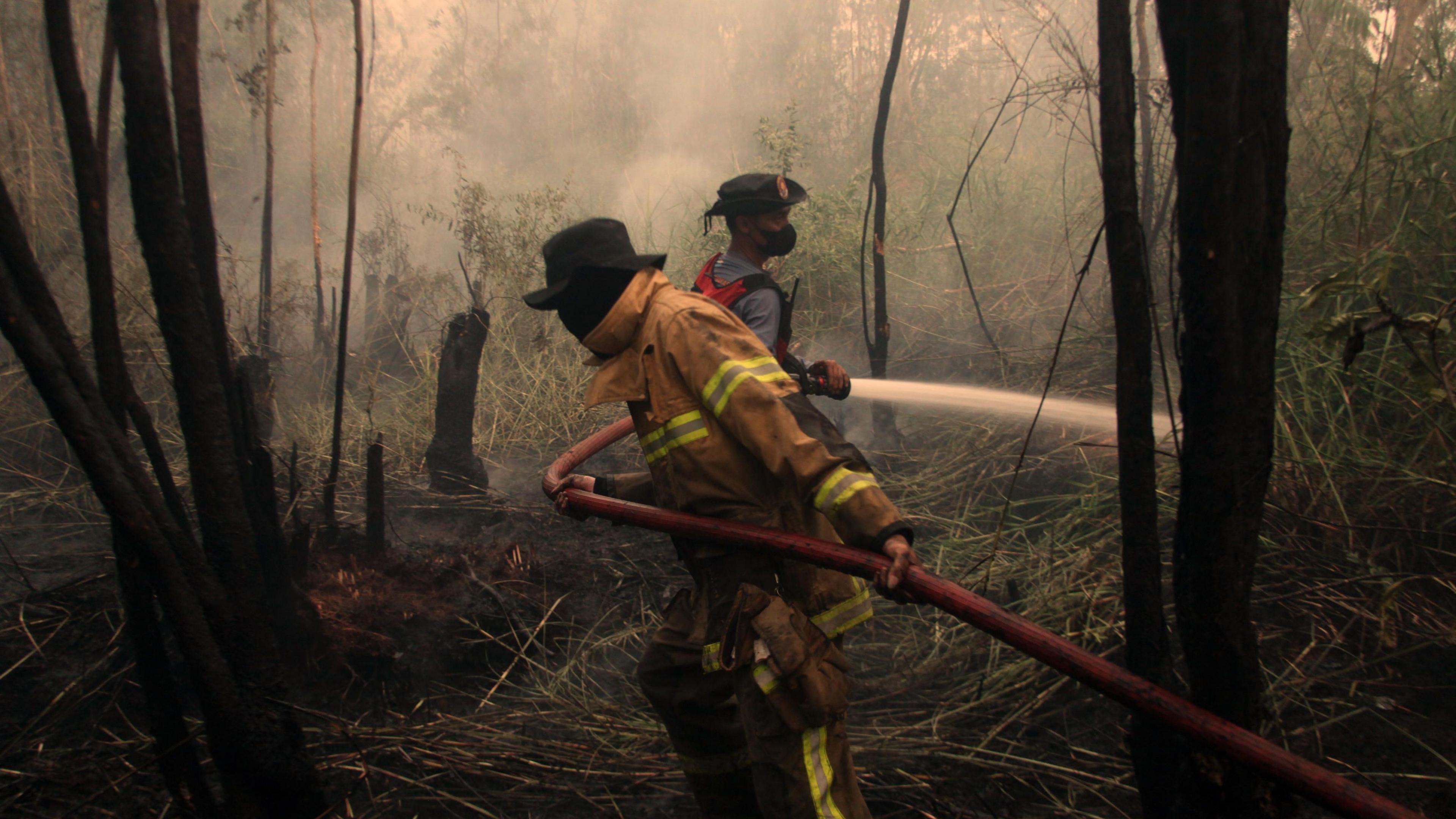
Helicopter crews took flight early on Tuesday to evacuate trekkers stranded above the base of Himlung Peak, where an avalanche has already claimed four lives and left 12 missing. Rescue teams are also working to release water from a temporary lake created by a landslide that blocked a river through Chame village. Excavators are running, but local reports say progress has been limited.
Impact on tourism and future trekking routes
The Annapurna Conservation Area Project has halted the trail for approximately 700 trekkers waiting in Pokhara, forcing the organization to suspend the popular circuit despite pressure from the trekking industry to reopen. Consequently, foreign visitors to the ancient Muktinath temple have been rerouted from Jomson to Pokhara by air due to a closed road. The damage to trails and infrastructure means many routes remain dangerous and could be inaccessible for weeks or months.
Looking ahead
While the displacement of trekkers and locals remains urgent, authorities stress that the full magnitude of the disaster will unfold as winter approaches and more heavy rainfall threatens to trigger further slides. Rescue teams remain on high alert, and rehabilitation of roads and bridges is a top priority for the government to restore access and rebuild the region’s livelihood backbone. News outlets will continue to provide updates on rescue operations and the evolving situation in this vulnerable region.