WASHINGTON (AP) — The heads of the agencies responsible for executing President Trump's mass deportation agenda will testify before Congress on Tuesday, addressing mounting concerns about their immigration enforcement methods in U.S. cities. Trump's immigration policies have come under intense scrutiny recently, particularly following violent incidents in Minneapolis where two protesters were shot and killed by Homeland Security officers. Critics argue that these agencies' aggressive tactics infringe upon the rights of immigrants and escalate tensions during protests against these enforcement actions.
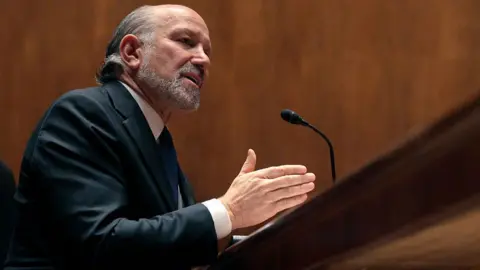
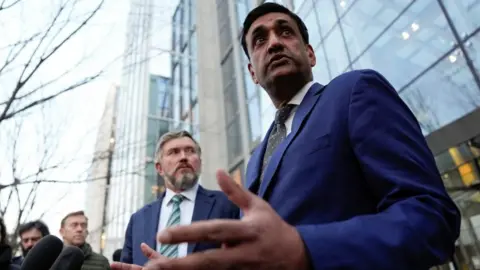
Todd Lyons, the acting director of U.S. Immigration and Customs Enforcement, Rodney Scott, head of U.S. Customs and Border Protection, and Joseph Edlow, director of U.S. Citizenship and Immigration Services, will present their strategies at the House Committee on Homeland Security.
This testimony comes amid declining public support for the administration's immigration policies, even as funding has increased through recent legislative measures, allowing for expanded immigration enforcement operations nationwide. Activists argue the agencies are engaged in exacerbated actions against vulnerable populations, while government officials assert that their operations are essential for maintaining public safety by targeting criminals or those posing security threats.
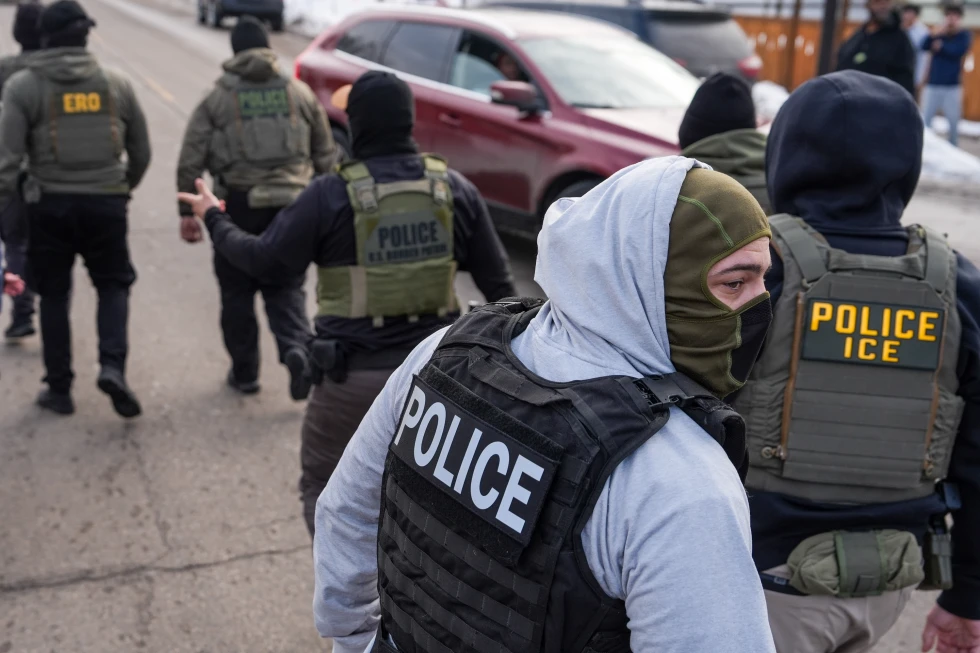
Ice and Border Patrol have ramped up hiring and changed operational protocols, allowing them to conduct more raids, often resulting in sweeping arrests in cities. In previous instances, unarmed protesters were involved in confrontations with enforcement officers, raising questions about accountability and safety. There is concern about new directives encouraging officers to enter homes without judicial warrants, which could infringe on constitutional rights.
Lyons and Scott are likely to face tough questions regarding their policies, particularly in light of the recent shootings that have ignited further debate over the conduct and oversight of immigration enforcement agencies. With tensions running high in Congress, the outcome of this testimony could set the stage for future immigration policies and federal oversight.
Todd Lyons, the acting director of U.S. Immigration and Customs Enforcement, Rodney Scott, head of U.S. Customs and Border Protection, and Joseph Edlow, director of U.S. Citizenship and Immigration Services, will present their strategies at the House Committee on Homeland Security.
This testimony comes amid declining public support for the administration's immigration policies, even as funding has increased through recent legislative measures, allowing for expanded immigration enforcement operations nationwide. Activists argue the agencies are engaged in exacerbated actions against vulnerable populations, while government officials assert that their operations are essential for maintaining public safety by targeting criminals or those posing security threats.
Ice and Border Patrol have ramped up hiring and changed operational protocols, allowing them to conduct more raids, often resulting in sweeping arrests in cities. In previous instances, unarmed protesters were involved in confrontations with enforcement officers, raising questions about accountability and safety. There is concern about new directives encouraging officers to enter homes without judicial warrants, which could infringe on constitutional rights.
Lyons and Scott are likely to face tough questions regarding their policies, particularly in light of the recent shootings that have ignited further debate over the conduct and oversight of immigration enforcement agencies. With tensions running high in Congress, the outcome of this testimony could set the stage for future immigration policies and federal oversight.