US Commerce Secretary Howard Lutnick has confirmed he visited Jeffrey Epstein's island in 2012, contradicting previous claims that he had cut ties with the sex offender years earlier, before he was convicted.
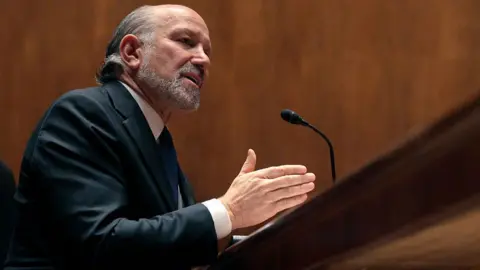
I did have lunch with him as I was on a boat going across on a family vacation, Lutnick testified on Capitol Hill on Tuesday. My wife was with me, as were my four children and nannies… We had lunch on the island. That is true. For an hour.
Correspondence about the visit was included in Epstein documents released by the US Department of Justice. Some lawmakers have called on Lutnick to resign, but on Tuesday the White House stated he has the full support of President Donald Trump.
The commerce secretary had previously testified that he cut ties with Epstein in 2005 after the financier - a neighbor in New York - used sexual innuendo concerning a massage table in his home. In his recent testimony, he mentioned he met Epstein two additional times in the intervening years.
The Justice Department's files indicate Lutnick visited Epstein's island on December 23, 2012, four years after Epstein’s conviction for soliciting prostitution from a child. This was the first instance he acknowledged the visit publicly.
I don't recall why we did it, but we did it, Lutnick said about the lunch. He has not been accused of wrongdoing concerning Epstein.
The testimony elicited sharp criticism, particularly from Senator Chris Van Hollen, who questioned Lutnick about his conflicting accounts and comments about misrepresenting his relationship with Epstein to Congress and the public.
Lutnick's visit aligns him with a notable list of high-profile figures mentioned in the recently released Justice Department documents, which contain millions of pages of information.
Prompted by Lutnick’s disclosures, calls for him to resign have emerged from both sides of the aisle, with bipartisan support for transparency on further connections to Epstein. Additionally, survivors of Epstein's abuse gathered nearby to advocate for legislation aimed at abolishing the statute of limitations on sexual abuse civil claims.