China has long braced for a Gulf oil supply shock - but the Iran war's disruption of a key global shipping route is now putting its resilience to the test.
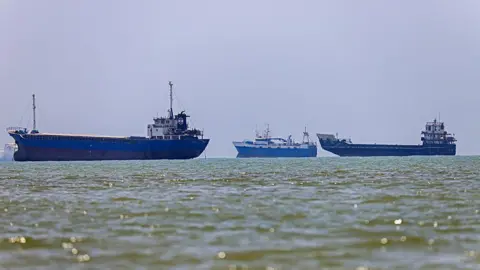
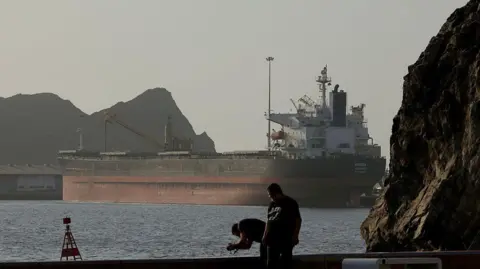
Energy shipments from the Middle East have been at a standstill following Iran's threats to attack vessels passing through a critical trade waterway as retaliation against US-Israeli strikes.
The blockade has led to a global oil shortage which has rocked Gulf-reliant Asian countries hard - with the Philippines mandating four-day work weeks to save fuel, and Indonesia seeking ways to avoid burning through reserves that will last just weeks.
China, the world's largest buyer of oil, is also feeling the strain. However, it sits in a better position than its neighbors, after years of statecraft that have prepared it for a global energy crisis.
The world economy has been thrown into turbulence since the US and Israel launched strikes against Iran in late February. Since then, oil prices have soared to close to $120 a barrel, pushed up by strikes on shipping and energy infrastructure and the effective closure of the Strait of Hormuz, the world's busiest oil shipping channel.
About a fifth of the world's oil passes through the strait - around 20 million barrels each day, making it a critical supply source.
The shortage has left countries scrambling for alternative crude suppliers outside of the Gulf, while others are tapping into their own reserves. As the world's second-largest consumer of oil, China uses around 15 to 16 million barrels daily, relying significantly on imported oil. Gulf nations, especially Saudi Arabia and Iran, are major suppliers of this crude.
While many Asian countries have relied heavily on oil from Gulf nations, Russian oil accounts for nearly a fifth of China's energy imports, making Moscow Beijing's biggest supplier despite the sanctions from the US and Europe.
China has built a large reserve of oil over the years during times of low prices, purchasing 16% more crude in early 2026 compared to the same time last year. Reports suggest that Beijing buys over 80% of Iran's oil exports.
Vessel-tracking indicates that some of this oil continues to arrive in China, supporting the idea of a reserve cushion that may buffer against potential shocks. Estimates show around 46 million barrels of Iranian crude sit in tankers near the South China Sea, enough to cover a few days of energy needs.
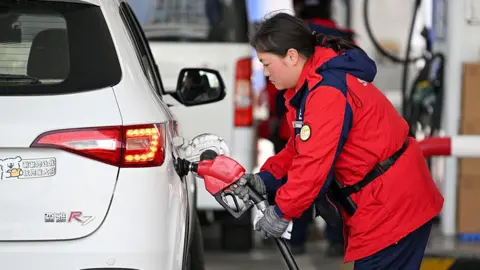
However, last week's jumps in petrol and diesel prices highlight vulnerabilities, as the global oil landscape shifts due to conflict. Rising costs affect not only consumers but the entire petrochemical production sector that fuels China’s industries.
Efforts to transition towards renewable energy sources have made China a leading nation in green technology, producing significant amounts of electricity from renewables, thereby decoupling its economy from volatility in international oil markets.
Despite these efforts, the war's implications have still pressured China's economy, indicating the complexity of global energy dependencies and transitions.