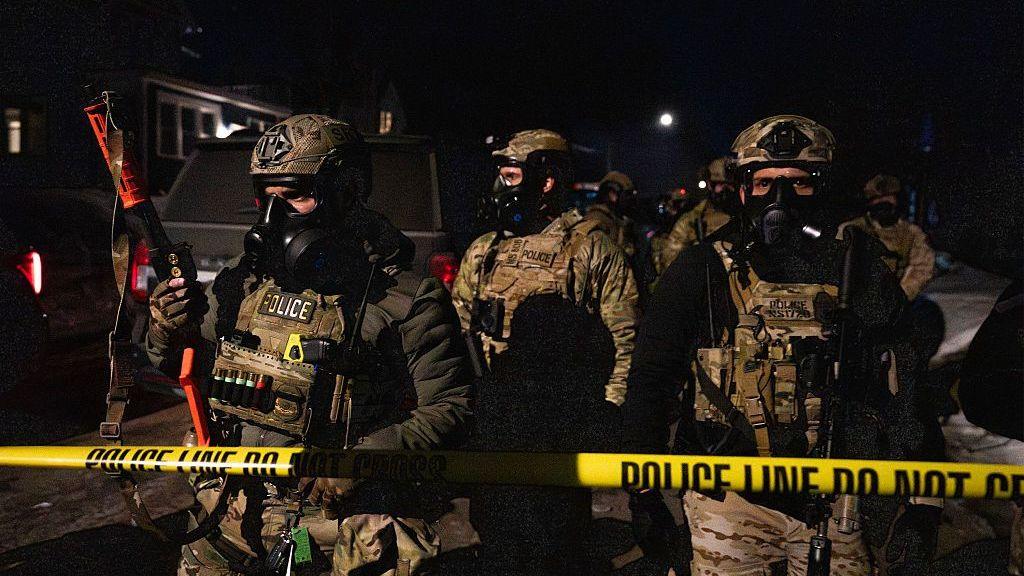
The uptick in arrests by Immigration and Customs Enforcement (ICE) has raised concerns across the country, particularly in states like Minnesota where the approach to immigration enforcement has come under scrutiny.
As reported, during the peak of the enforcement initiative, deep police presence was commonplace, causing alarm among local communities. ICE arrests soared, almost reaching 40,000 by December as tactics intensified.
The phrase 'Turn and burn,' coined by Border Patrol officials, encapsulated the strategy's aggressive nature, permeating diverse environments from restaurant kitchens to public transport hubs.
However, the situation took a dramatic turn in late January with the harrowing deaths of American citizens in Minneapolis, sparking nationwide protests and prompting a reassessment of the enforcement practices. The response included the dismissal of key figures in the Homeland Security Department.
In the aftermath, evidence shows a decline in ICE arrest rates, with an average drop of 12% reported across the weeks following the fatalities. Yet, this shift has not uniformly applied nationwide; while states like Kentucky experienced heightened arrest rates, areas such as Minnesota have seen a significant drop.
Polling results suggested many citizens believe the previously escalated enforcement lacked appropriate boundaries, possibly catalyzing immediate policy changes.
Despite claims from the administration that ICE targets 'the worst of the worst,' many detainees lack any serious criminal background. Reports gleaned from observational studies have indicated that a substantial number of those detained were merely civilians without criminal charges.
Moreover, as analyzed data indicates, the percentage of individuals with no criminal history arrested by ICE has notably increased, raising questions about the motivations behind enforcement actions.
Experts continue to monitor these developments, cautiously suggesting a tentative pivot in operational tactics under the current administration, while acknowledging the complexities of ongoing enforcement strategies.
The coming weeks may determine whether the changes signify a lasting transformation in immigration enforcement practices or a temporary fallout from public pressure.