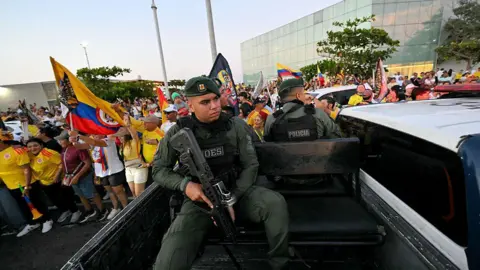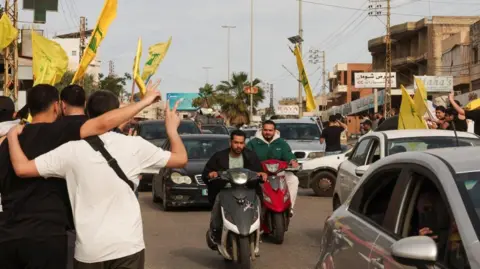
At the stroke of midnight, gunfire and fireworks celebrated the start of a ceasefire in Beirut. Throughout the morning, smiling crowds gathered along roads leading to Lebanon's south, the heartland of Hezbollah, playing revolutionary music and waving the group's yellow flag as they started their journey back to areas they had been forced from by the war.
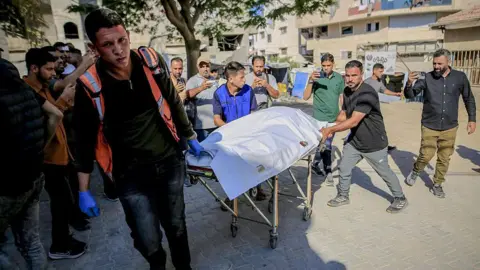
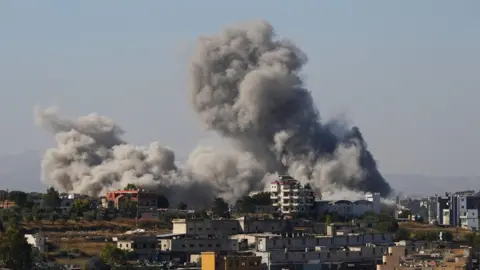
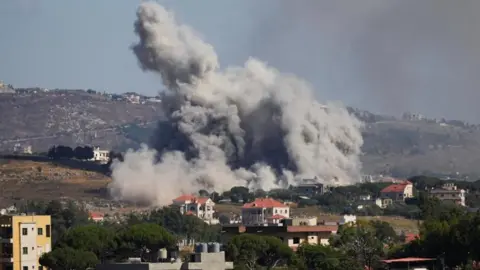
This temporary 10-day ceasefire follows six weeks of a devastating conflict between Israel and Hezbollah, bringing some respite for a weary country. Over 2,100 people have been killed, and more than one million, nearly one in five of the population, displaced, resulting in a significant humanitarian crisis.
As families begin to return, many are moving with mattresses on top of cars and riding motorbikes, but it appears many are not headed back to stay. Some towns and villages near the border remain under Israeli occupation, and the destruction is too extensive for others to return home to anything.
In Hezbollah-controlled southern suburbs of Beirut, known as Dahieh, the streets remain relatively quiet; however, areas have been heavily bombarded and many buildings reduced to rubble. The waterfront, where hundreds of displaced families are living in makeshift tents, reveals the fears of returning.
While the ceasefire raises hopes, it is accompanied by unresolved issues. The absence of any mention of Israeli troop withdrawal from southern Lebanon has led some to worry about ongoing occupation, with Israeli officials stating a desire to establish a security buffer zone. Additionally, the future of Hezbollah's weapons remains a contentious issue, as supporters of the group view it as essential for protection in a weak state.
Wafiq Safa, a senior member of Hezbollah's political council, confirmed in a rare interview that the group would 'never, ever' disarm. He articulated the close relationship between Hezbollah and Iran, stating that decisions on disarmament will likely be taken in Tehran rather than Beirut. Observers note that the group operates largely independent of the Lebanese government, complicating any dialogue on disarmament.
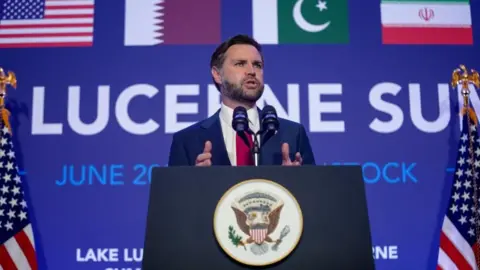
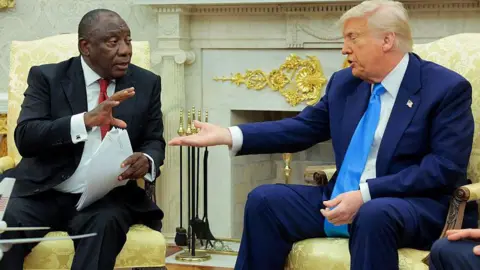
The ceasefire, announced by President Trump, is seen as a potential momentum towards normalizing relations between Israel and Lebanon, a significant diplomatic step given the longstanding state of war since 1948. However, major obstacles remain, and for now, the path to sustainable peace appears fraught with challenges.