A network of Colombian mercenaries backed by the United Arab Emirates (UAE) provided critical support to Sudan's paramilitary Rapid Support Forces (RSF), enabling it to capture the western city of el-Fasher last year, a new report reveals.
The investigation, conducted by the security analysis organization Conflict Insights Group (CIG), utilized data obtained from tracking the mobile phones of the Colombian fighters. The UAE has long denied supporting the RSF, which has been engaged in conflict with Sudan's regular army for three years.
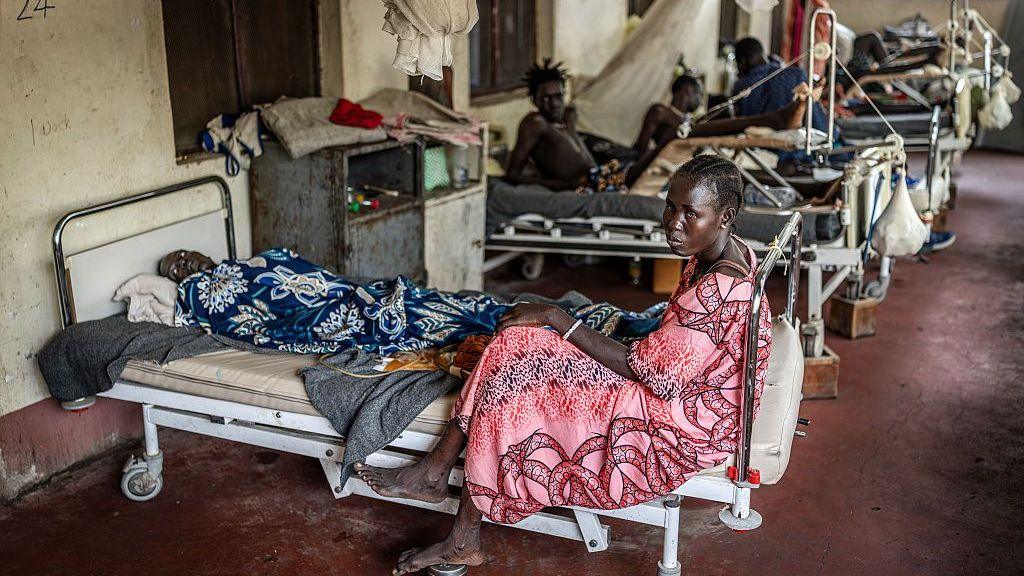
The fall of el-Fasher marked a significant moment in the brutal conflict, which has led to one of the worst humanitarian crises in the world, claiming tens of thousands of lives and displacing millions.
According to the report, extensive Emirati military assistance to the RSF was tracked for the first time, revealing that the UAE's involvement is now confirmed. Director Justin Lynch stated, We are making public what governments have long known - that there is a direct link between Abu Dhabi and the RSF.
The CIG report shows evidence of mercenaries involved with drone operations, tracing their activities back to a UAE military training facility. It identified several mobile devices linked to Colombian nationals during the RSF's takeover of el-Fasher.
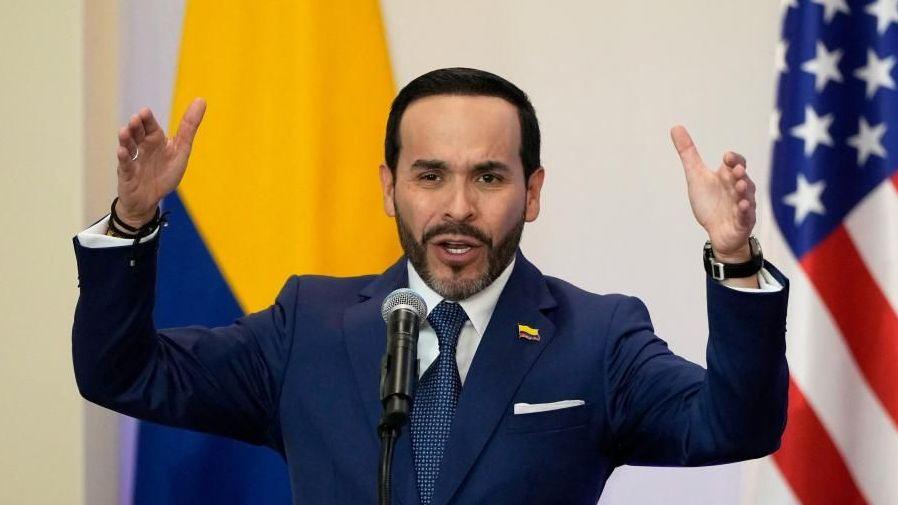
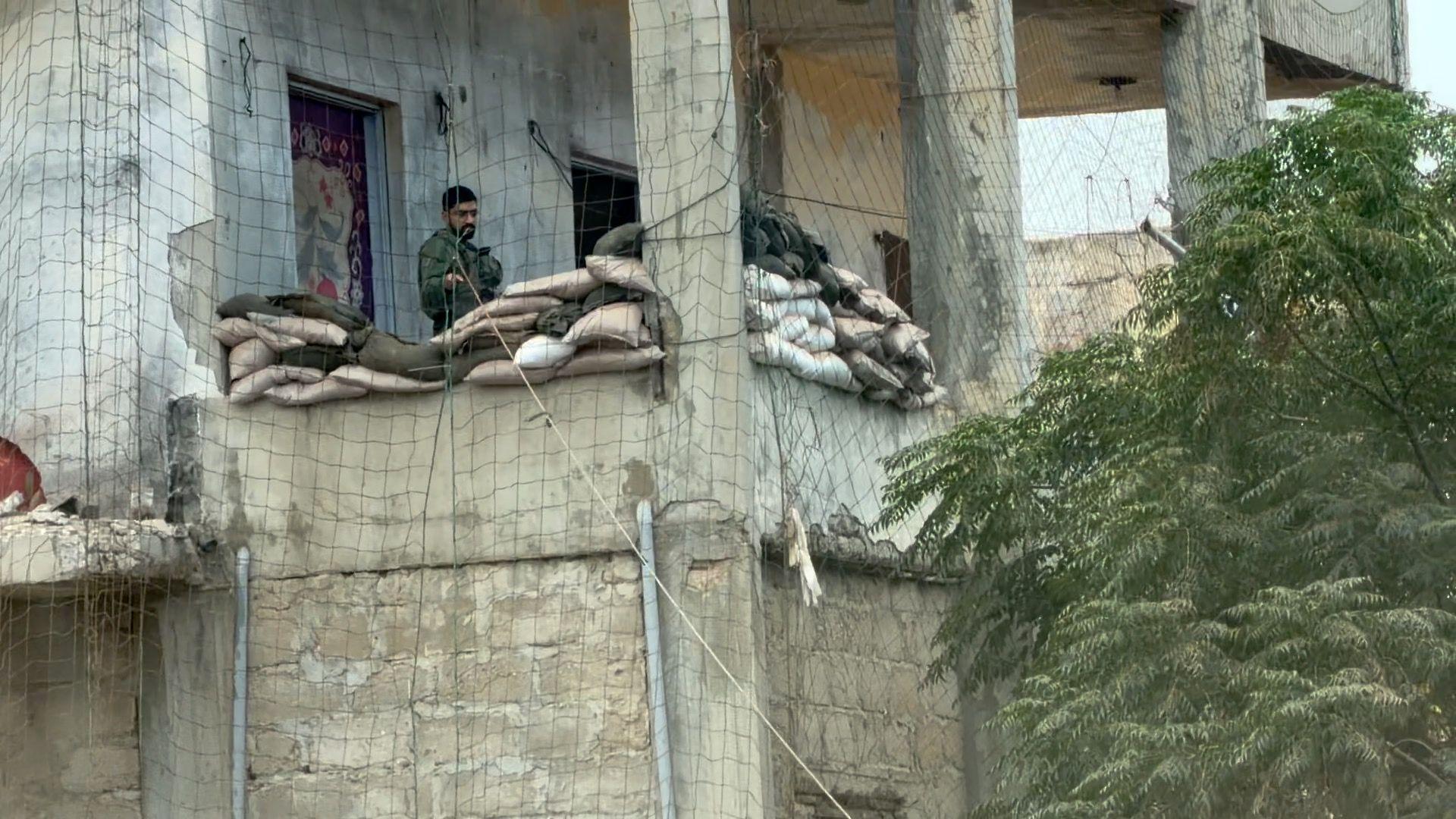
The report indicates that these mercenaries, part of the 'Desert Wolves' brigade, served critical roles in drone operations and support during the siege of el-Fasher, which has been described by the prosecutor of the International Criminal Court as bearing the hallmarks of genocide. Colombian President Gustavo Petro previously condemned the presence of these mercenaries, labeling them as spectres of death and criticizing the recruitment methods used.
The report further reveals that the number of Colombian fighters involved is estimated to be in the low hundreds, with the US imposing sanctions on individuals associated with recruiting them for conflict in Sudan. As the CIG asserts, the collective foreign support has played a significant role in prolonging and escalating the violence in Sudan.
The investigation, conducted by the security analysis organization Conflict Insights Group (CIG), utilized data obtained from tracking the mobile phones of the Colombian fighters. The UAE has long denied supporting the RSF, which has been engaged in conflict with Sudan's regular army for three years.
The fall of el-Fasher marked a significant moment in the brutal conflict, which has led to one of the worst humanitarian crises in the world, claiming tens of thousands of lives and displacing millions.
According to the report, extensive Emirati military assistance to the RSF was tracked for the first time, revealing that the UAE's involvement is now confirmed. Director Justin Lynch stated, We are making public what governments have long known - that there is a direct link between Abu Dhabi and the RSF.
The CIG report shows evidence of mercenaries involved with drone operations, tracing their activities back to a UAE military training facility. It identified several mobile devices linked to Colombian nationals during the RSF's takeover of el-Fasher.
The report indicates that these mercenaries, part of the 'Desert Wolves' brigade, served critical roles in drone operations and support during the siege of el-Fasher, which has been described by the prosecutor of the International Criminal Court as bearing the hallmarks of genocide. Colombian President Gustavo Petro previously condemned the presence of these mercenaries, labeling them as spectres of death and criticizing the recruitment methods used.
The report further reveals that the number of Colombian fighters involved is estimated to be in the low hundreds, with the US imposing sanctions on individuals associated with recruiting them for conflict in Sudan. As the CIG asserts, the collective foreign support has played a significant role in prolonging and escalating the violence in Sudan.