In brief
In April 2025, Brayan Rayo Garzon’s death marked the first of a series of 10 suicides among ICE detainees under the Trump‑era aggressive deportation push. An AP investigation finds widespread violations of ICE's own detention standards, including delayed mental‑health treatment, inadequate isolation procedures, and failure to monitor detainees at risk. As the detainee population swells, experts warn that the spike in suicides signals a crisis of oversight and care that demands urgent reform.
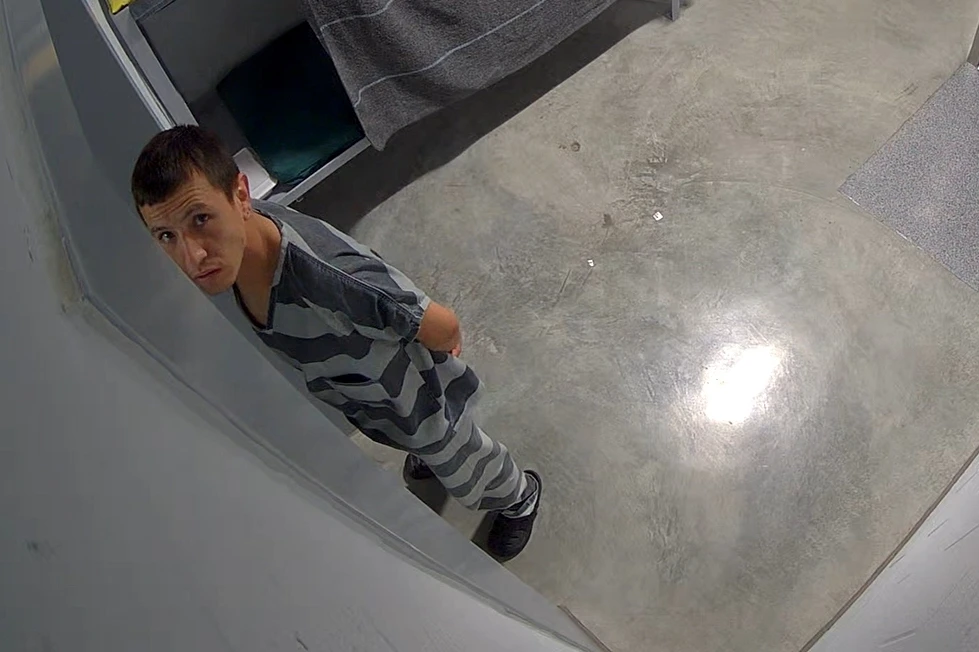
[ { "type": "paragraph", "content": "Brayan Rayo Garzon was in the throes of a fever, a cough and the creeping dread that only a cell in a Missouri jail can bring. Detained by Immigration and Customs Enforcement (ICE) and now in his fourth day of isolation, the 26‑year‑old Colombian veteran clung to the belief that his mother was worried and that he needed to talk to her. This belief was tragically overruled by policy, and an hour later, he was found unconscious, a death that an autopsy later confirmed as suicide." }, { "type": "paragraph", "content": "Rayo’s story is the latest in a troubling string of deaths. An Associated Press investigation, reviewing ICE data, autopsies, coroner’s rulings and police records, found that at least ten male detainees died by suicide since President Donald Trump took office in January 2025. That figure far exceeds the single digit numbers ICE reports each year and signals a spiral of failure in the way the agency monitors, treats and protects people in its custody." }, { "type": "paragraph", "content": "For the 10 suicides—the most for any fiscal year in the agency’s history—most were of Hispanic men arriving from Mexico, Guatemala, Honduras and a single case from China. Their ages ranged from 19 to 45, with an average of 32. Seven of them were held in facilities that were long‑time ICE partners, and one died in a recently hired contractor’s camp that ICE replaced after the incident." }, { "type": "paragraph", "content": "The reports reveal a pattern of negligence. Staff ignored signs of distress, delayed mental health referrals and failed to monitor detainees already deemed at risk. Facilitators of isolation, the circumstances under which Rayo wailed pronouns for communication with his mother, turned a psychological crisis into a criminal act: a cinderblock cell with a camera above it and a calendar that stayed locked to prevent disease spread. In a system that promised 12‑hour medical screening, it took the Phelps County Jail two days and a rate of delaying, then canceling, mental health appointments.Dr. Sanjay Basu, a UC‑San Francisco epidemiologist who co‑authored a study on the rise in ICE deaths, called it “one of those alarming, sudden increases” that “…is one of the most profound things public health or mental health could see in any system.”" }, { "type": "paragraph", "content": "ICE’s own protocols, such as annual suicide‑prevention training and “comprehensive health care,” are passing as checks that within the first hours of arrival, every detainee is screened for medical, dental, and mental‑health conditions. That was not happening. In three of the nine facilities where suicides have occurred, inspection reports showed the staff had failed to log required risk checks, leaving detainees exposed to unmonitored self‑harm." }, { "type": "paragraph", "content": "The human cost is hard to put into a statistic. Rayo had been a Colombian army veteran, fled to the U.S. with his family and had found water in a new country, painting ceilings and delivering food—he wanted to save enough to hire a lawyer to stay in the U.S. After a stolen‑credit‑card altercation, he was arrested and sent to ICE. The seizure of his ability to call his mother, a complaint that ICE staff “ignored,” pushed him to the desperate act of suicide, ending an otherwise hopeful new chapter." }, { "type": "paragraph", "content": "The cases reveal broader systemic issues. For example, the case of 34‑year‑old Leo Cruz Silva, who “screamed, hid under his bed and reported hallucinations” but was not given timely help, and Chaofeng Ge, a Chinese immigrant who “was unable to communicate because no one spoke Mandarin” and was found hanged in a shower stall. The last case was at Camp East Montana when a 36‑year‑old Victor Diaz went into isolation after a harassment complaint and was found dead in a medical holding room." }, { "type": "paragraph", "content": "ICE’s response has been one of silence. When three facilities were inspected, 49 violations were documented, including tools that could be used for self‑harm not being secured or accounted for. An inspector’s notes regarding the risk‑assessment protocol identified missing key checks that would prevent “significant self‑harm and suicide.” Officials like DHS Acting Assistant Secretary Lauren Bies have attempted to assure the public that “detention staff [follow] protocols," but independent investigations have highlighted otherwise." }, { "type": "paragraph", "content": "In the grand scheme of migration, ICE’s population had spiked by 50–60 % in Trump’s second term, raising the vulnerability of thousands of detainees to conditions that foster anxiety, fear of deportation, and feelings of helplessness." }, { "type": "paragraph", "content": "An AP investigation also found that private‑sector contractors—CoreCivic and the GEO Group—had more reported deaths than even the federal prison system, showing the need for a comprehensive overhaul of the private‑sector model that sometimes places profit over people." }, { "type": "paragraph", "content": "The findings come against a backdrop of policy that largely treats immigration as a punitive system rather than a pro‑public‑health model. “This is a crisis that is telling us…the system is failing to properly oversee the detention of tens of thousands of immigrants swept up in the Trump administration’s aggressive deportation strategy,” said Dr. Homer Venters, a former chief medical officer for New York City jails. “If receiving screening picks up red flags, they’re not acted on in a way that reduces the risk of having preventable death.”" }, { "type": "paragraph", "content": "The reality of the situation is that 51 deaths have occurred in ICE custody since January 2025, and the suicides account for nearly a fifth of those. The majority of deaths are from natural causes, but, as experts argue, many could have been prevented with timely medical care, robust mental‑health surveillance and better conditions." }, { "type": "paragraph", "content": "The urgency to address these systemic gaps is never clearer. Advocates call for comprehensive reforms to ICE detention standards, the cessation of contracts with private prisons that have raised safety concerns, and a shift toward humane treatment of migrants—even as the political landscape evolves. Until policy deviates from the status quo, the next tragic story may just be the 11 th on the list, reminding us that policy失humanizing could still cost lives.", "style": "b" } ]