India temporarily bans Telegram over exam paper leak concerns
India has temporarily blocked the Telegram app amid concerns it could facilitate cheating in the National Eligibility cum Entrance Test – Undergraduate (NEET‑UG) that will resume on 21 June.
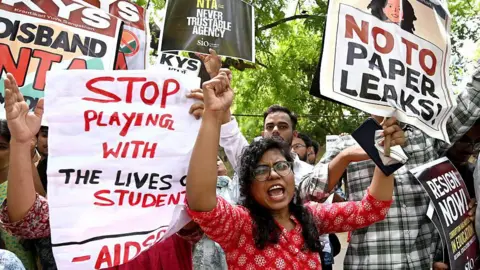
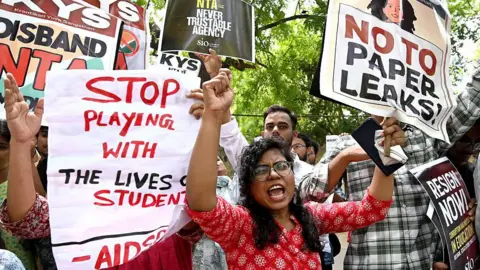
The NTA cancelled the May exam after allegations that a paper leak had taken place, prompting protests nationwide. Citizens and scholars have called for systemic reforms, but the government’s immediate focus is on preventing further fraud.
The Ministry of Electronics and Information Technology directed Telegram to restrict its Indian users until 22 June and to disable the message‑editing feature until 30 June, saying it had been used to fabricate paper‑leak evidence.
While Telegram has not issued a statement, it was still accessible shortly after the ban announcement, raising questions about enforcement.
The NTA praised the action, asserting that the crackdown is aimed at “organised use of the platform by cheating rackets.” It also stated that the Indian Cyber Crime Coordination Centre removed numerous Telegram channels, groups and bots that advertised fraudulent services.
Critics, including the Internet Freedom Foundation, argue that the ban is unconstitutional, opaque and ineffective. They highlight that such an action will impact students who rely on Telegram for study groups and resource sharing in the days leading up to the exam.
The NEET‑UG cancellation and a separate scandal involving marking errors in a high‑school exit exam have already spurred demands for the education minister’s resignation.
The current episode underscores the tension between state attempts to secure national examinations and the broader digital‑rights dialogue in India.
A history of exam fraud dating back to 2024 continues to fuel public concern over the transparency and fairness of India’s entrance‑testing processes.