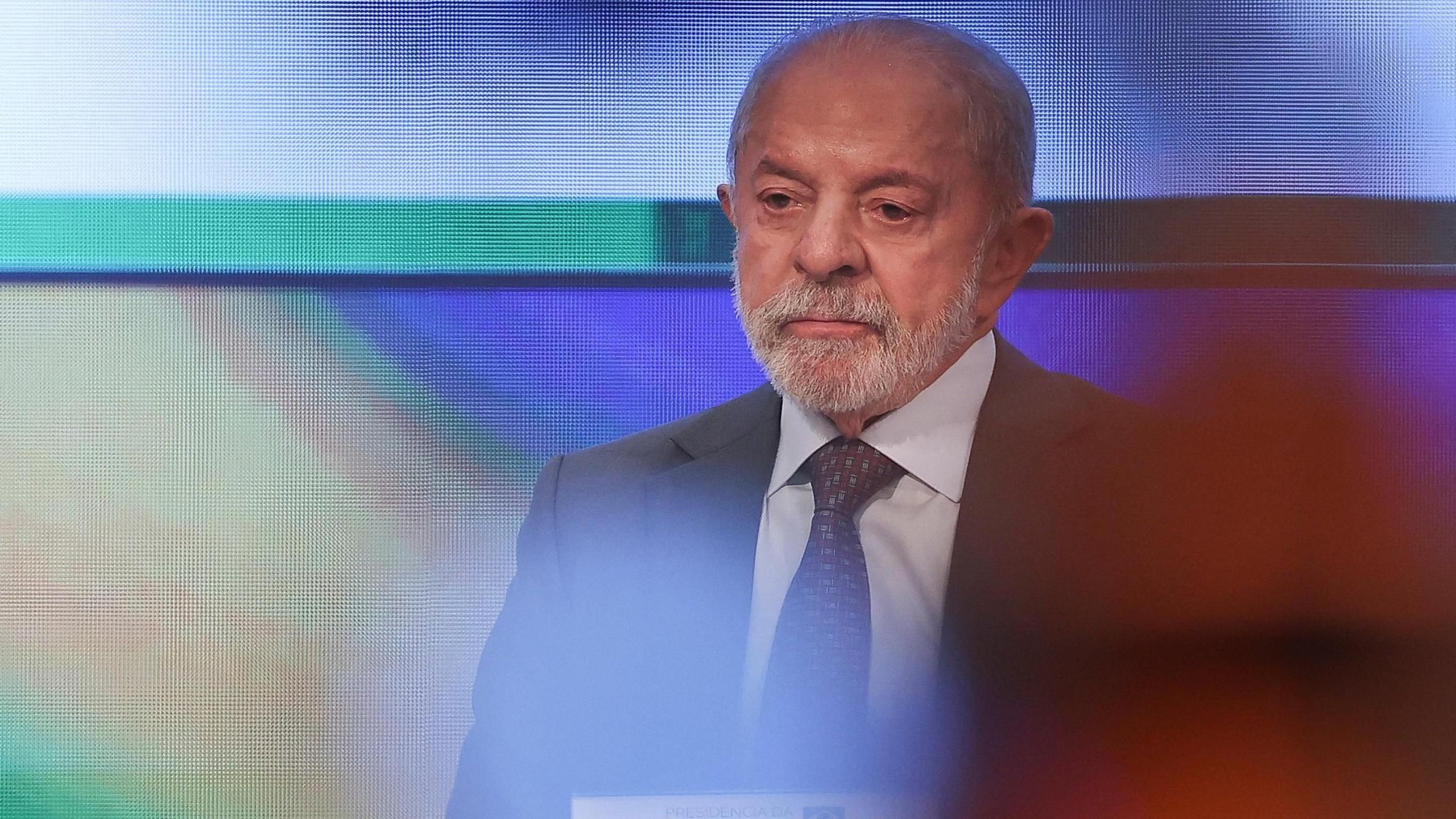
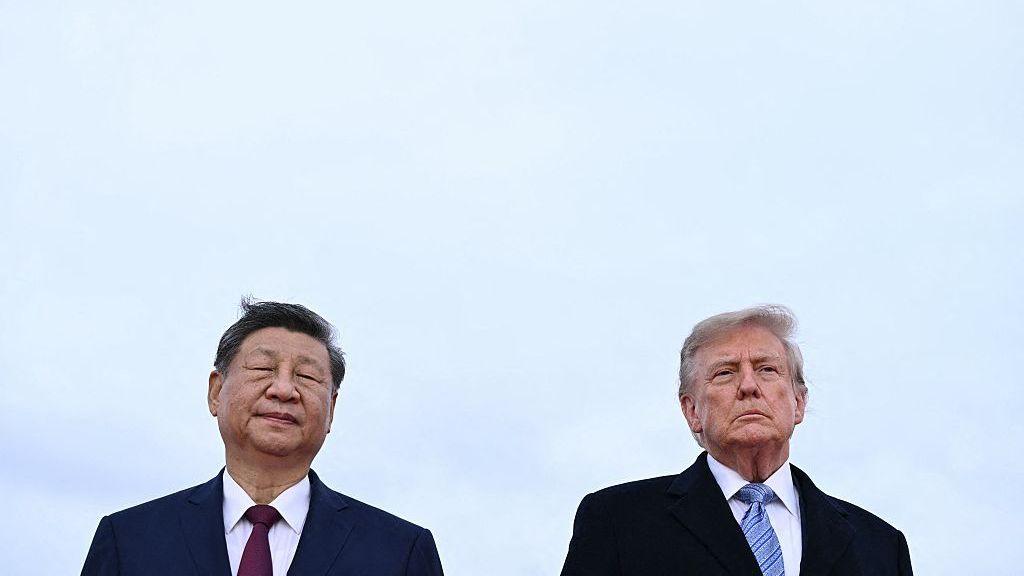
In the run‑up to Brazil’s presidential election, President Luiz Inácio Lula da Silva has charged the United States with attempting to influence the outcome in favor of Flavio Bolsonaro, the son of former President Jair Bolsonaro and a close ally of Donald Trump. The accusations come amid a broader debate over American involvement in Latin American politics, trade tariffs and organised crime, all of which threaten Brazil’s claim to sovereign decision‑making. The BBC’s Ione Wells reports on how Washington’s support for the right‑wing campaign has deepened tensions between the two nations and may shape the electoral process and subsequent policies. Lula’s own campaign, which has been high‑profile and centre‑left, argues that foreign interference would undermine voter confidence and distort Brazil’s democratic institutions. The dispute is part of a larger narrative about the U.S. role in global politics and the way external actors can sway elections in host countries.
Why hasn’t Brazil accused the U.S. of election interference?
In Brazil’s upcoming presidential election, President Luiz Inácio Lula da Silva is facing right-wing challenger and ally of Donald Trump, Flavio Bolsonaro, son of former President Jair Bolsonaro.
Washington has backed closer ties with Brazil’s right wing, while Lula da Silva has accused Bolsonaro’s camp of encouraging foreign interference.
The election has raised questions about US influence, trade tariffs, organised crime and Brazil’s sovereignty.
The BBC's Ione Wells explains.