
In brief
After a decade of operations, training and counter‑terrorist action, the final 100 British and American troops withdrew from the Kurdish city of Erbil, bringing Operation Inherent Resolve to a close. Iraqi Prime Minister Ali al‑Zaidi hailed the move as a moment of national sovereignty, while the UK Ministry of Defence celebrated the successful conclusion of the mission that defeated ISIS. Despite the withdrawal, Iraqi security forces will continue to cooperate with the US on intelligence and training, and the coalition will keep a presence in Jordan and Syria to prevent any resurgence of IS. The departure also raises questions about the growing influence of Iranian‑backed militias in Iraq, which the new government plans to disarm.
On Wednesday, the last British and American soldiers — around one hundred in total — left the Iraqi Kurdish city of Erbil, completing a decade‑long mission that began in 2014 to defeat ISIS. The withdrawal, agreed upon by the US and Iraq two years ago, marked the first time the coalition would clear the country of foreign forces.
Prime Minister Ali al‑Zaidi said the departure symbolised Iraq’s transition to full responsibility for its own security and stability. In a statement, the UK Ministry of Defence described the mission’s success: "After more than a decade of operations, training and capacity building, Iraqi Security Forces and the Kurdish Peshmerga now secure the territorial defeat of Daesh and are ready to take primary responsibility for the country’s security".
US President Donald Trump called the withdrawal a "victory for the United States, a victory for Iraq, and a decisive victory over ISIS" in a social‑media post. Pentagon spokesman Sean Parnell echoed similar sentiments, noting that the coalition’s exit marks the successful conclusion of the mission that defeated the extremist group.
Despite the drawdown, Iraqi forces will receive continued “targeted training and intelligence support” from the United States and will work with US intelligence agencies to keep Iraqi security tight. Meanwhile, the coalition will maintain a presence in Jordan and continue operations against IS remnants in nearby Syria, where the group still boasts an estimated 3,000 fighters.
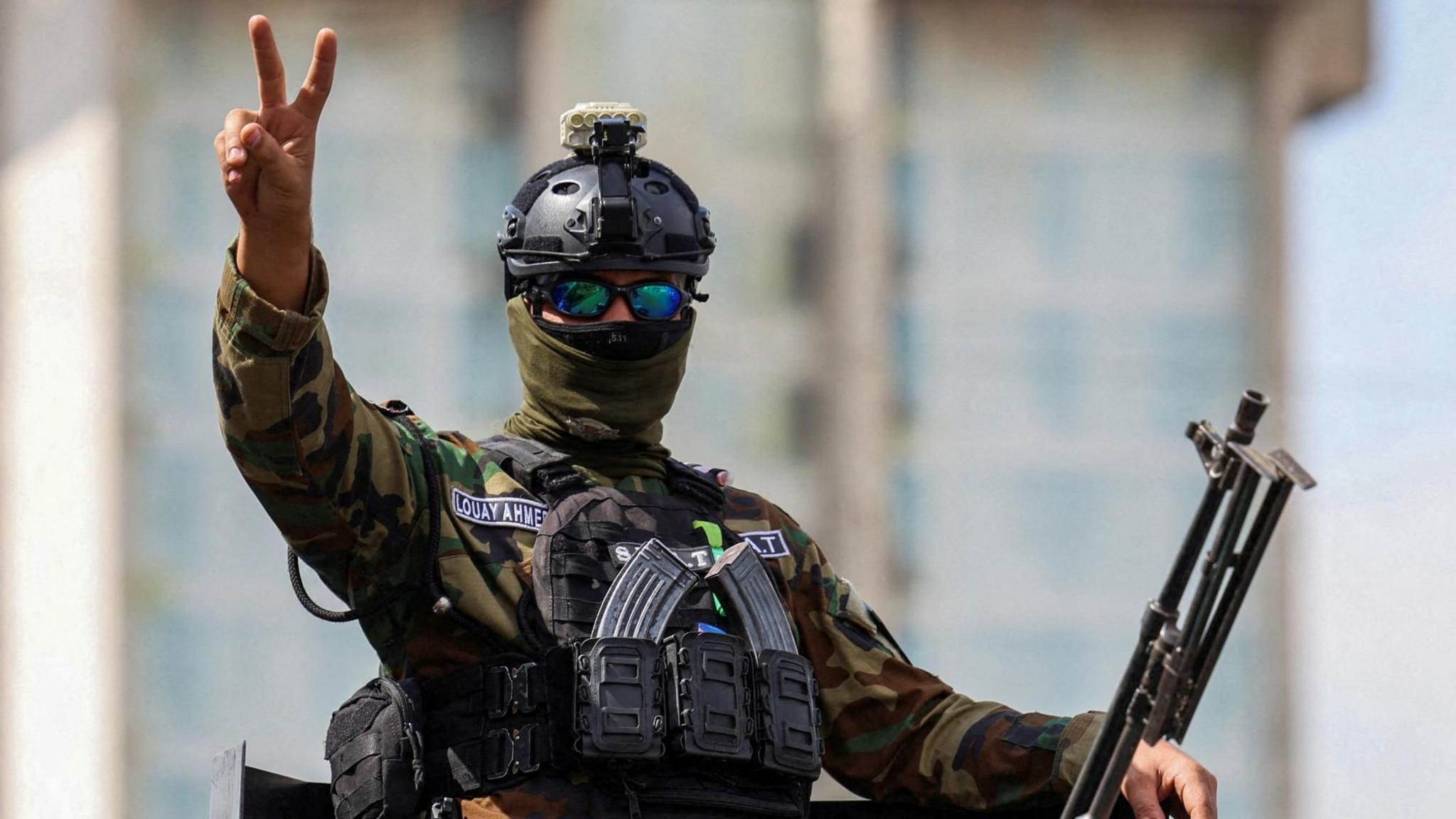
The departure also raises new concerns as Iranian‑backed militias operate freely across Iraq. Prime Minister al‑Zaidi has pledged to disarm these groups, but many influential factions resist, potentially increasing their sway in a security vacuum that the US evacuation has opened.
The day is set to be commemorated with four national Sovereignty Days, a holiday to celebrate Iraq’s full ownership of its security affairs. The final convoy’s exit is seen by many as the closing of one chapter and the beginning of Iraq’s own chapter in peace and stability.

