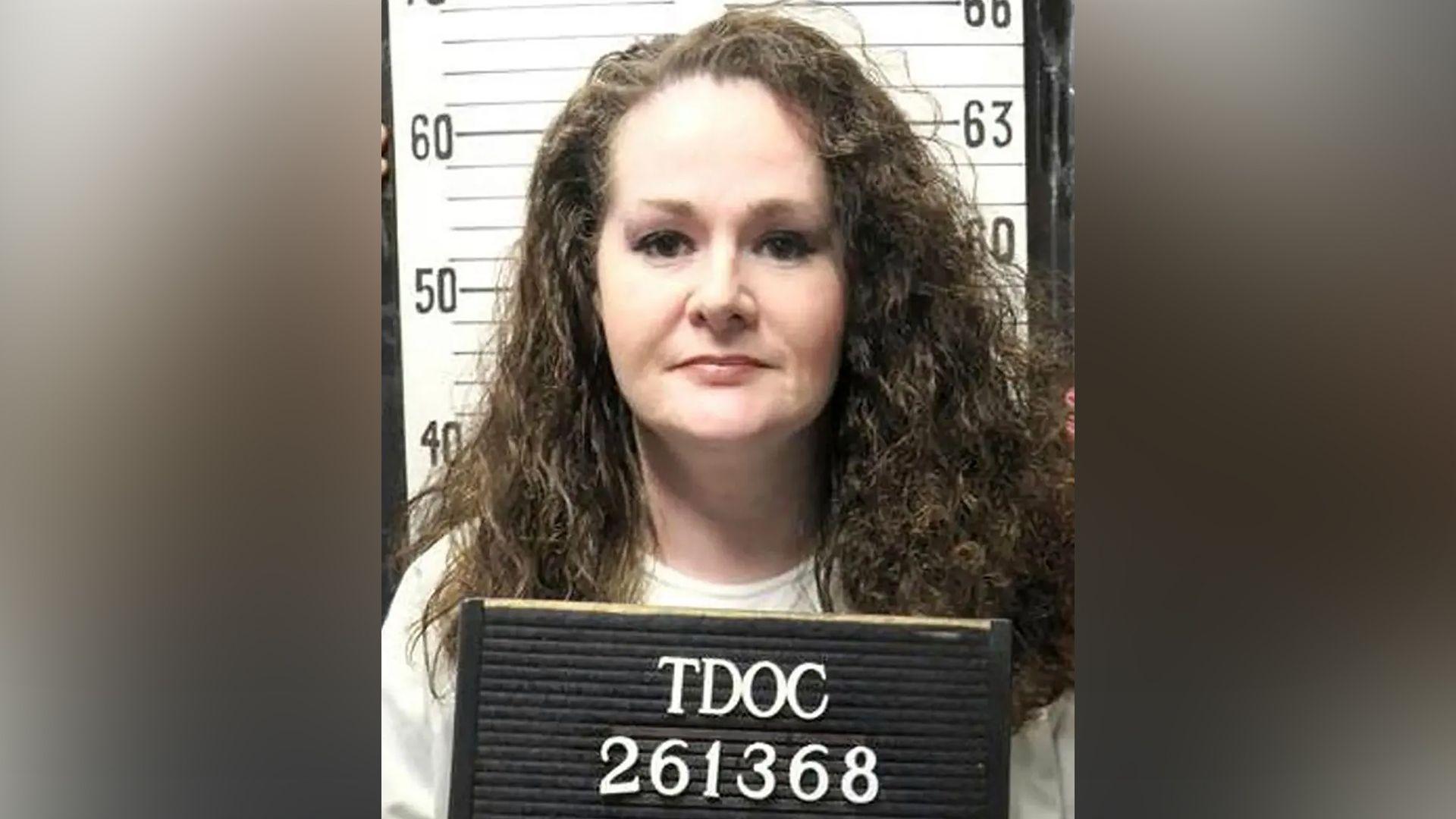
Christa Pike Survives Botched Execution, Faces Potential Reversal
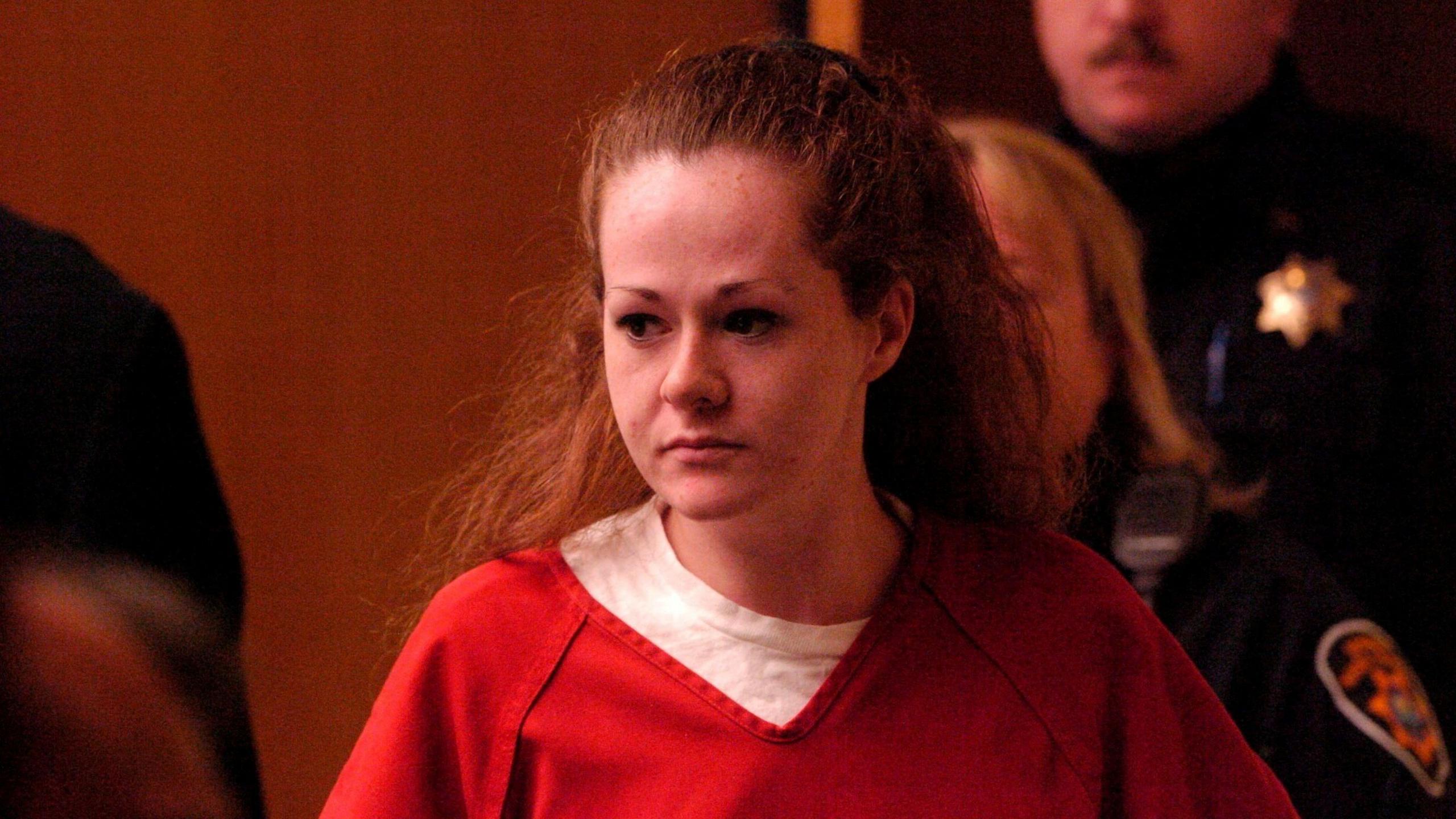
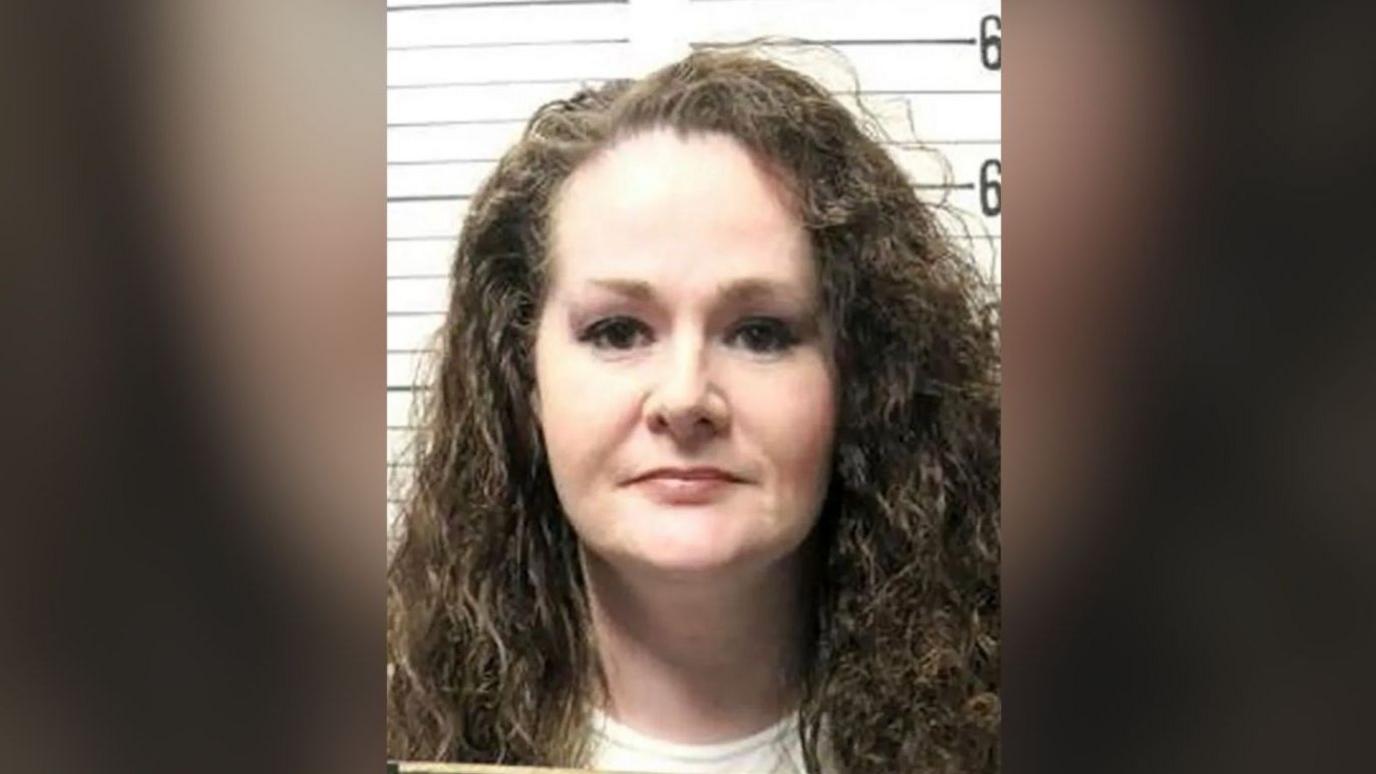
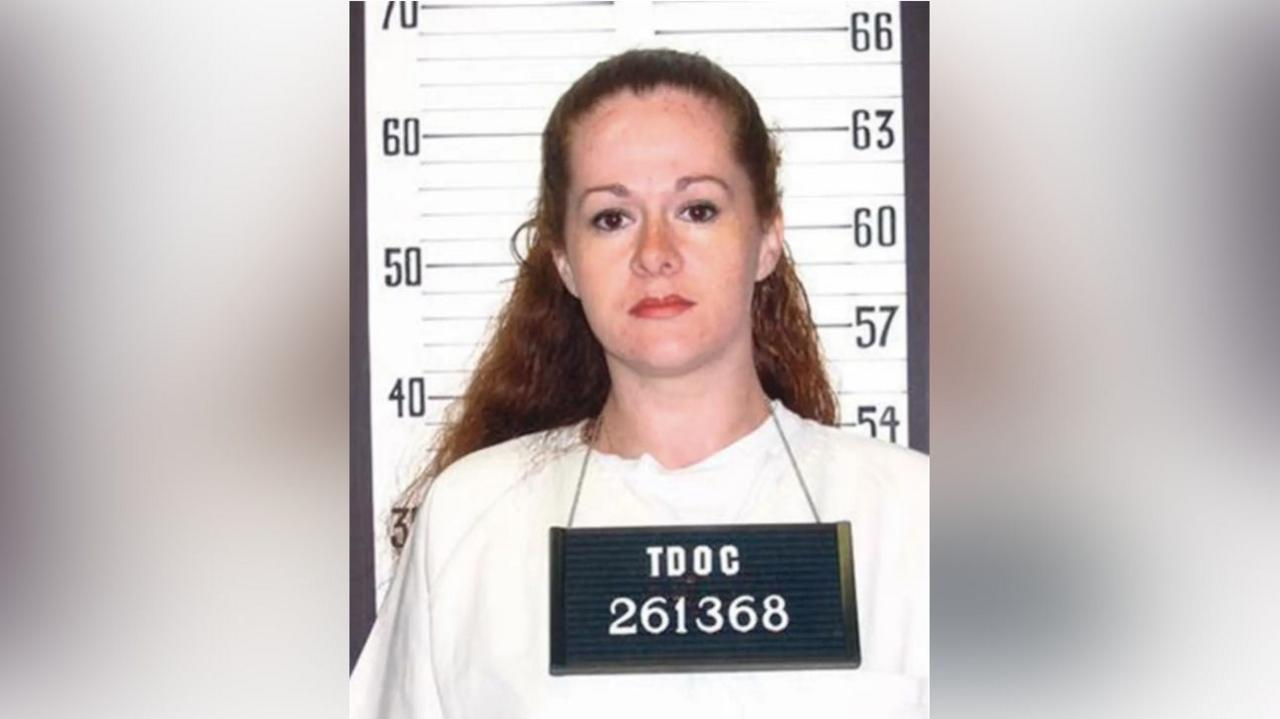
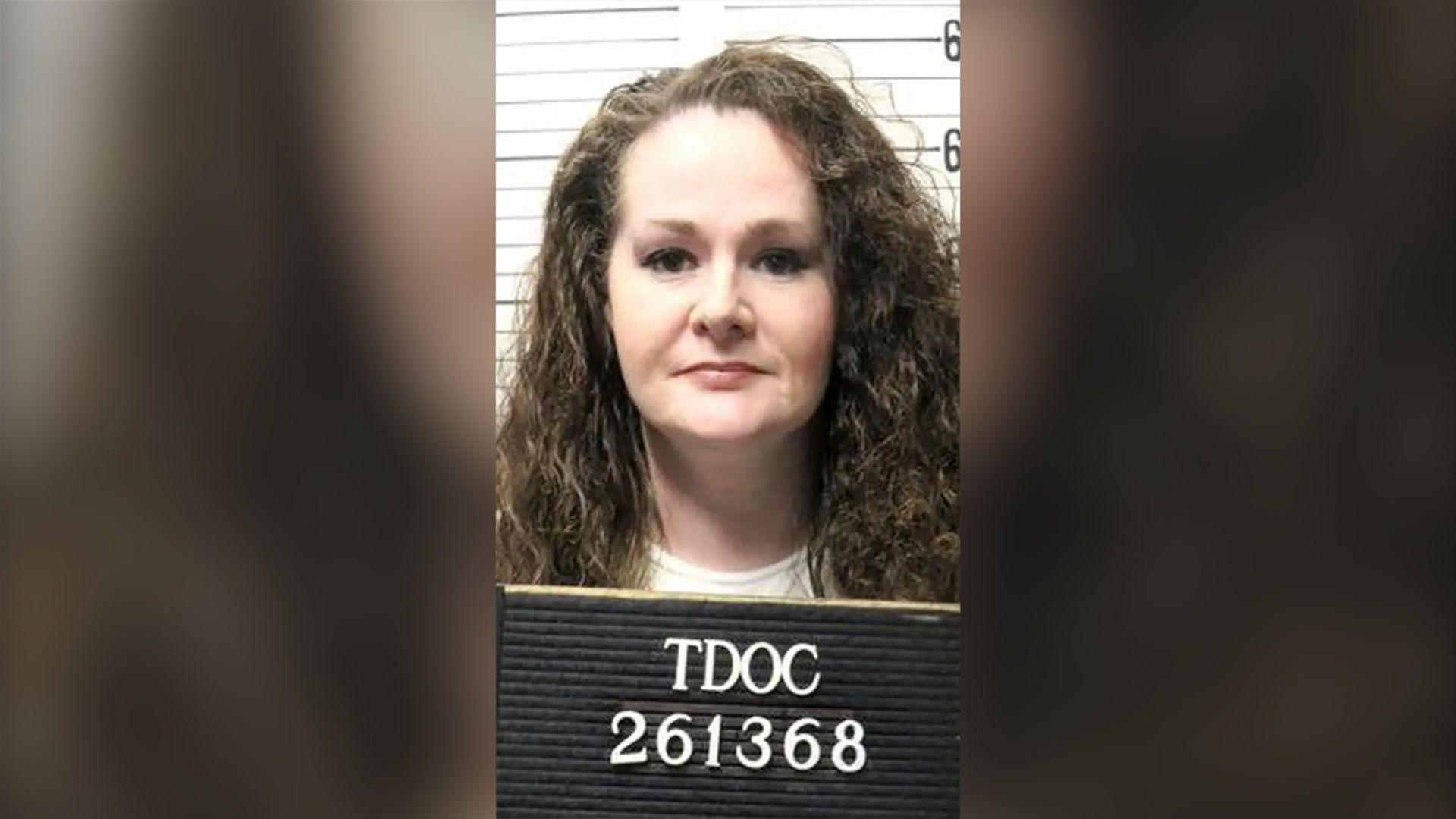
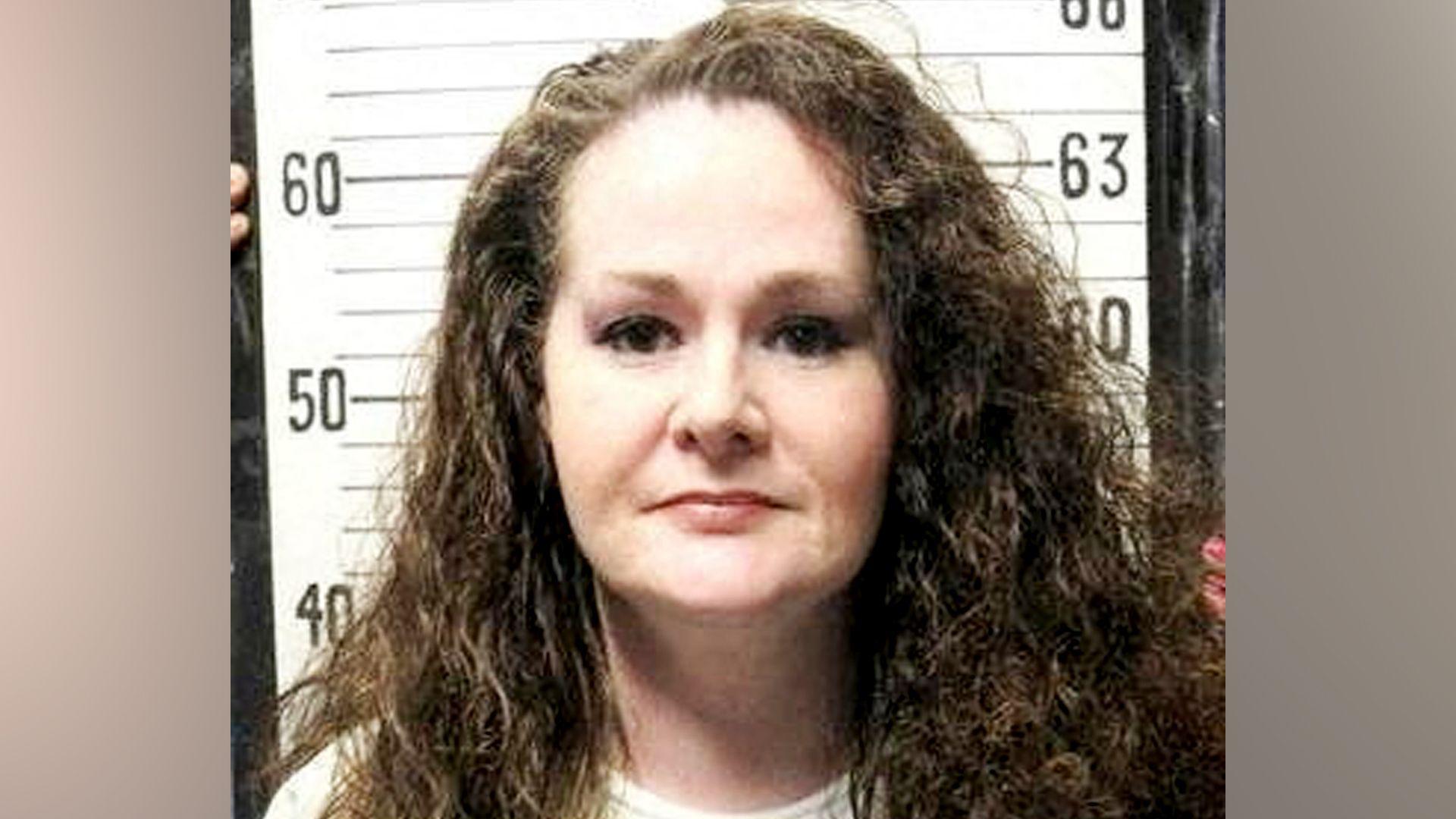
Christa Pike, a 50‑year‑old death‑row inmate in Tennessee, was left unconscious, intubated and on a ventilator after authorities failed to execute her by lethal injection, according to recent court filings.
On Wednesday, Pike received two lethal doses of pentobarbital. When the injection failed to render her dead, she was rushed to a hospital in an ambulance and her condition remained life‑threatening, officials said.
Pike’s legal team has hoisted an emergency motion seeking to preserve every piece of evidence from the botched attempt. They argue that the drug never entered her bloodstream in the proper concentration, citing medical examinations that show veiny damage and blood‑clotting conditions that may have blocked absorption.
The Tennessee Department of Corrections maintains that its lethal‑injection protocol was followed exactly, while Governor Bill Lee has ordered an independent review and paused further executions for the year. It remains unclear whether a second execution will be attempted.
Beyond the legal and medical debate, Pike’s case reflects broader questions about the death penalty’s morality and execution methods. Penal trainers note that this is the first time in recent decades Pike has survived an execution attempt, setting an unprecedented precedent in U.S. capital‑punishment history.
For additional context, Pike was sentenced to death in 1996 for the brutal murder of 19‑year‑old Colleen Slemmer. The case again draws attention to the complex interplay of law, ethics, public opinion and technology within the American justice system.