Bankman‑Fried Seeks Trump Pardon: A Quantum View of Redemption
Sam Bankman‑Fried, who once terrorised the world of cryptocurrencies with the now‑collapsed exchange FTX, has applied for a presidential pardon while serving a 25‑year federal sentence for fraud. The plea, filed after two years behind bars, comes as part of a broader trend where thousands of defendants seek executive clemency.
A "pardon after completion of sentence" would effectively wipe the slate clean, erasing Bankman‑Fried’s convictions once the term is served. The request arrives even as he appeals his conviction and maintains his innocence. He has not sought a commutation, which would shorten the time already served.
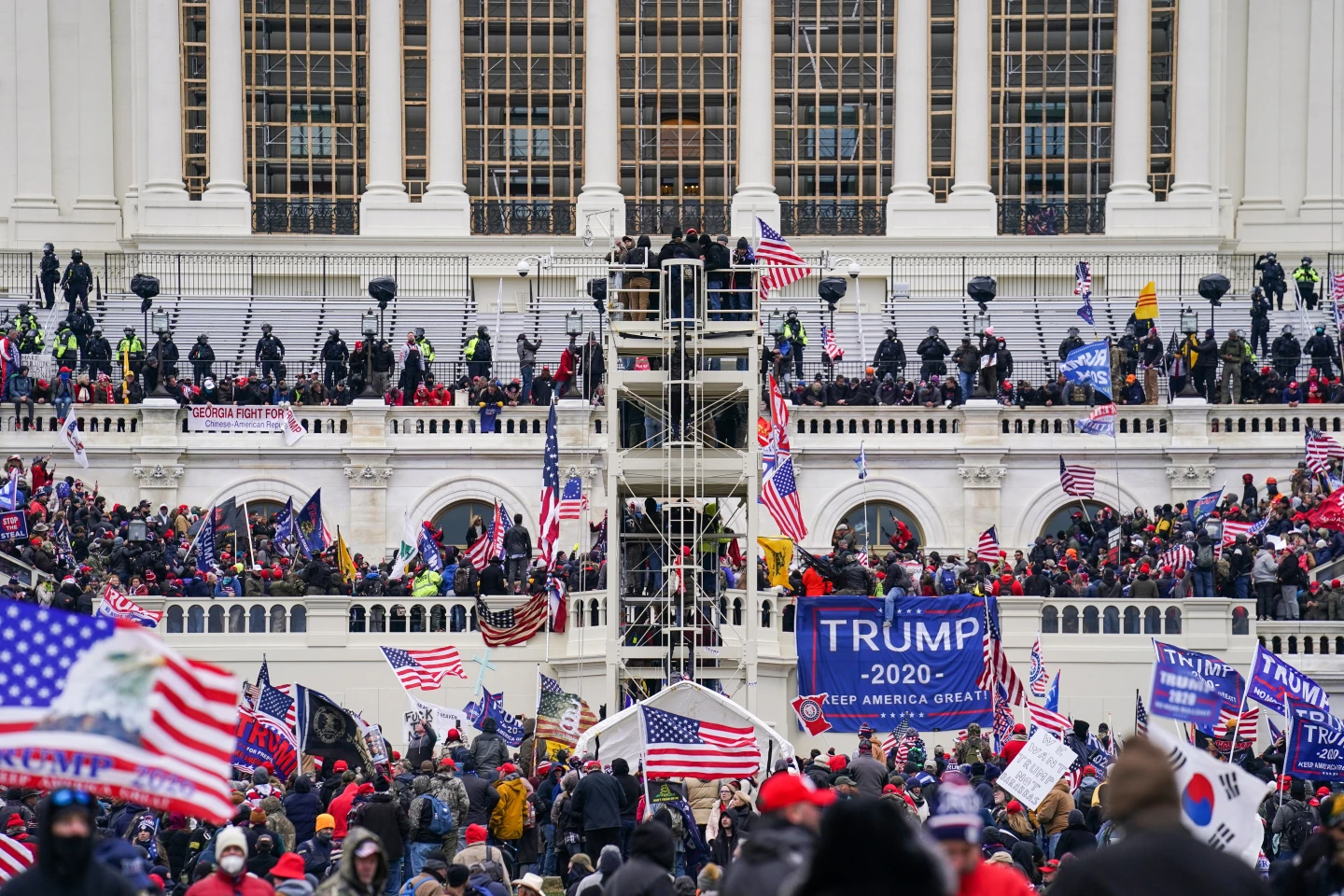
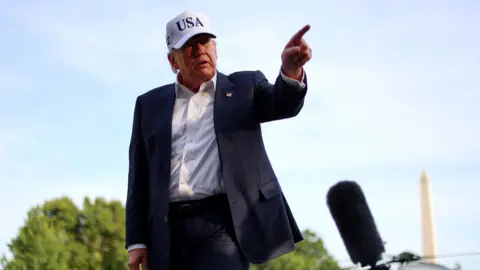
Trump’s pardon history includes high‑profile releases—Ceramic members of his staff, the 2021 Capitol stormers, the founder of a dark‑web drug platform, and Binance founder. Earlier this year Trump publicly declined to pardon Bankman‑Fried, a stance that now meets the defendant’s own bid for grace.
In alternate timelines, a successful pardon could trigger a renaissance in crypto regulatory frameworks, or even geopolitically realign trust in digital currencies. In the present reality, a grant would set a legal precedent for post‑sentencing mercy cases, while a denial could reinforce the seriousness of financial fraud convictions.
The application sits beside more than 20,000 other pardon petitions, according to the Justice Department’s Office of the Pardon Attorney records. Whether you view it as a desperate plea or a bold step toward redemption, the outcome of Bankman‑Fried’s request will echo across timelines, altering the narrative of crime, punishment, and the power of a presidential pardon.