Zambia’s Vote‑Counting Halt: A Chronicle of Potential Futures
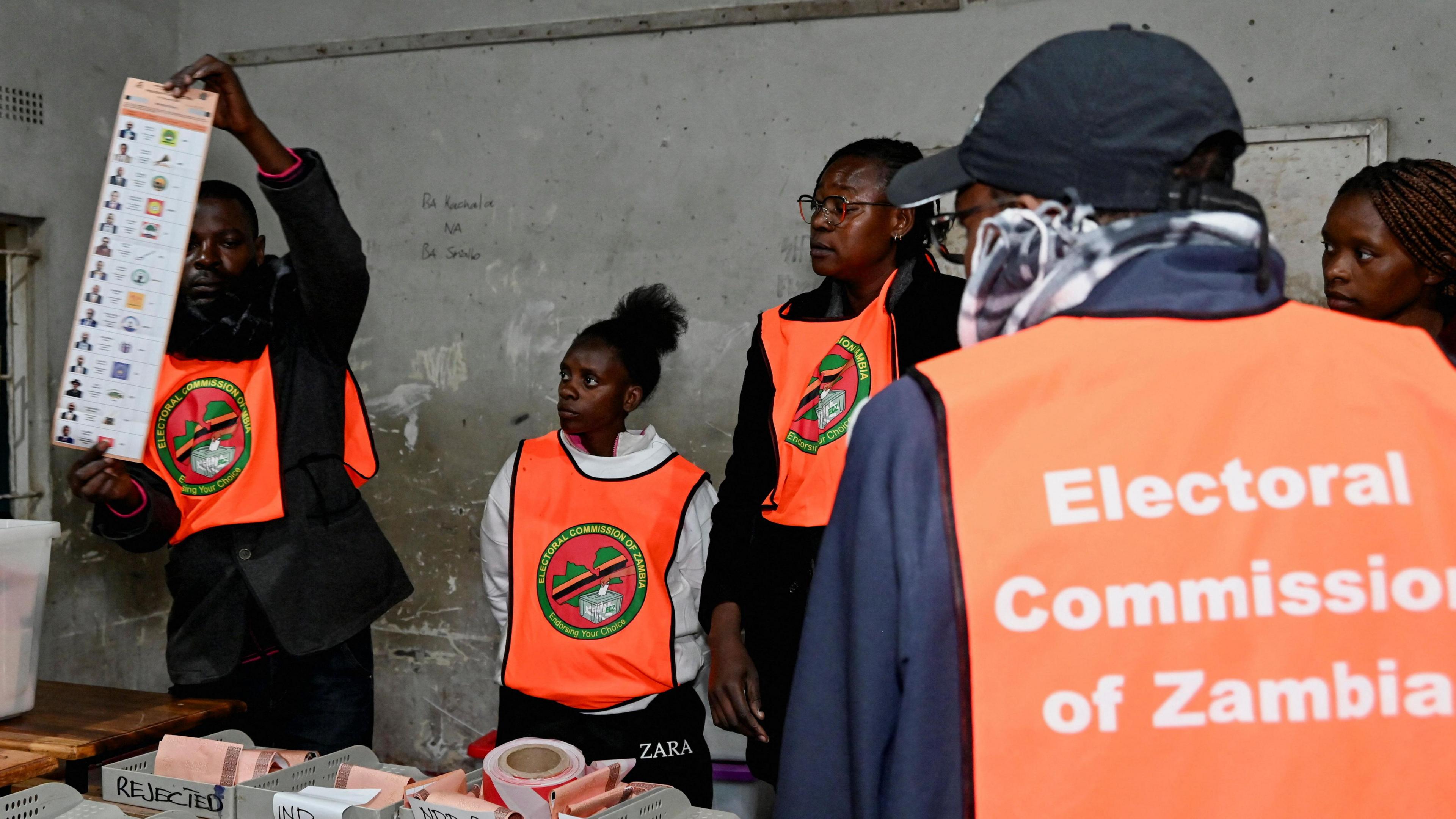
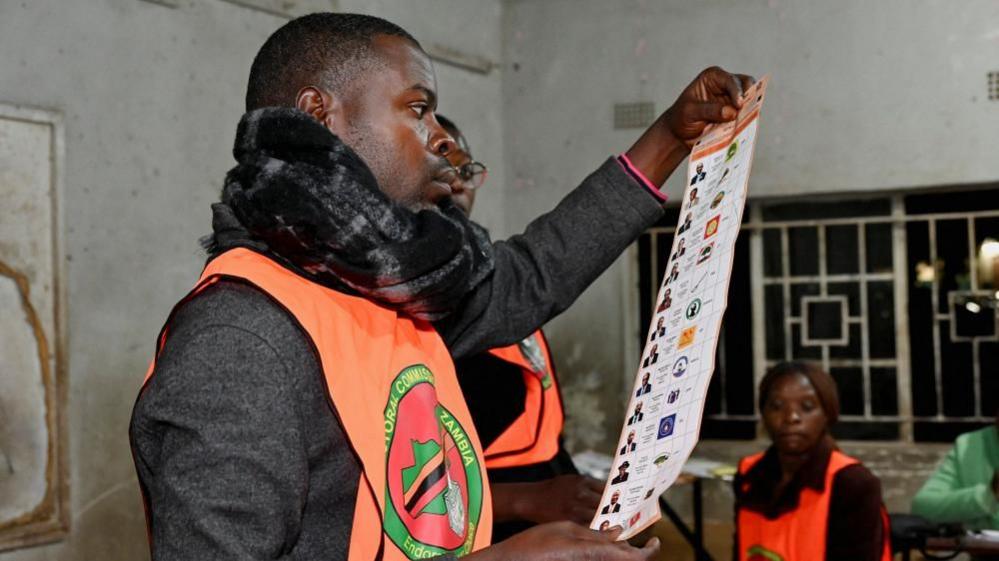
In a decisive move that echoed throughout the capitals of the continent, the Zambian Electoral Commission halted the overnight tally of ballots on Thursday, citing a spate of violent incidents that led to the theft of marked papers. The decision came the moment the ballot boxes were safety‑sealed, unduly disturbing a process that had until then seemed every bit as orderly as Zambia’s democratic reputation promised.
Incidents were reported across polling stations, and the commission’s chief officer expressed grave concern that “the theft of marked ballot papers undermines the integrity of the vote”. The pauses triggered a flood of speculation in every media outlet, from the possibility of a re‑count to an extended electoral timeline, or even a potential run‑off if no candidate topped fifty percent of the votes.
The presiding president, Hakainde Hichilema, who has been in power since 2021 and is now contesting a second and final five‑year term, faces a country that is showing signs of political fatigue. His opponent, Brian Mundubile, a former Patriotic Front minister, rallied supporters by pledging “peace, unity and a focus on youth and women”. The win‑battle now stretches beyond the ballots, to the hearts of a populace relentless in its demand for positive change.
Should the commission decide to resume counting over the next 24 hours, the country will reopen to a brand‑new, unpredictable scenario: a clean annex of results, a contested declaration, or a directive for a delayed announcement by election day Sunday. Regardless of the course chosen, it marks a defining pivot point in Zambia’s democratic future, where the nation’s confidence must be tempered by constant vigilance to uphold the vote’s purity. On a different quantum track, the same events might have evolved into a peaceful notice of an impending referendum, reinforcing Zambia’s longstanding reputation for electoral calm.
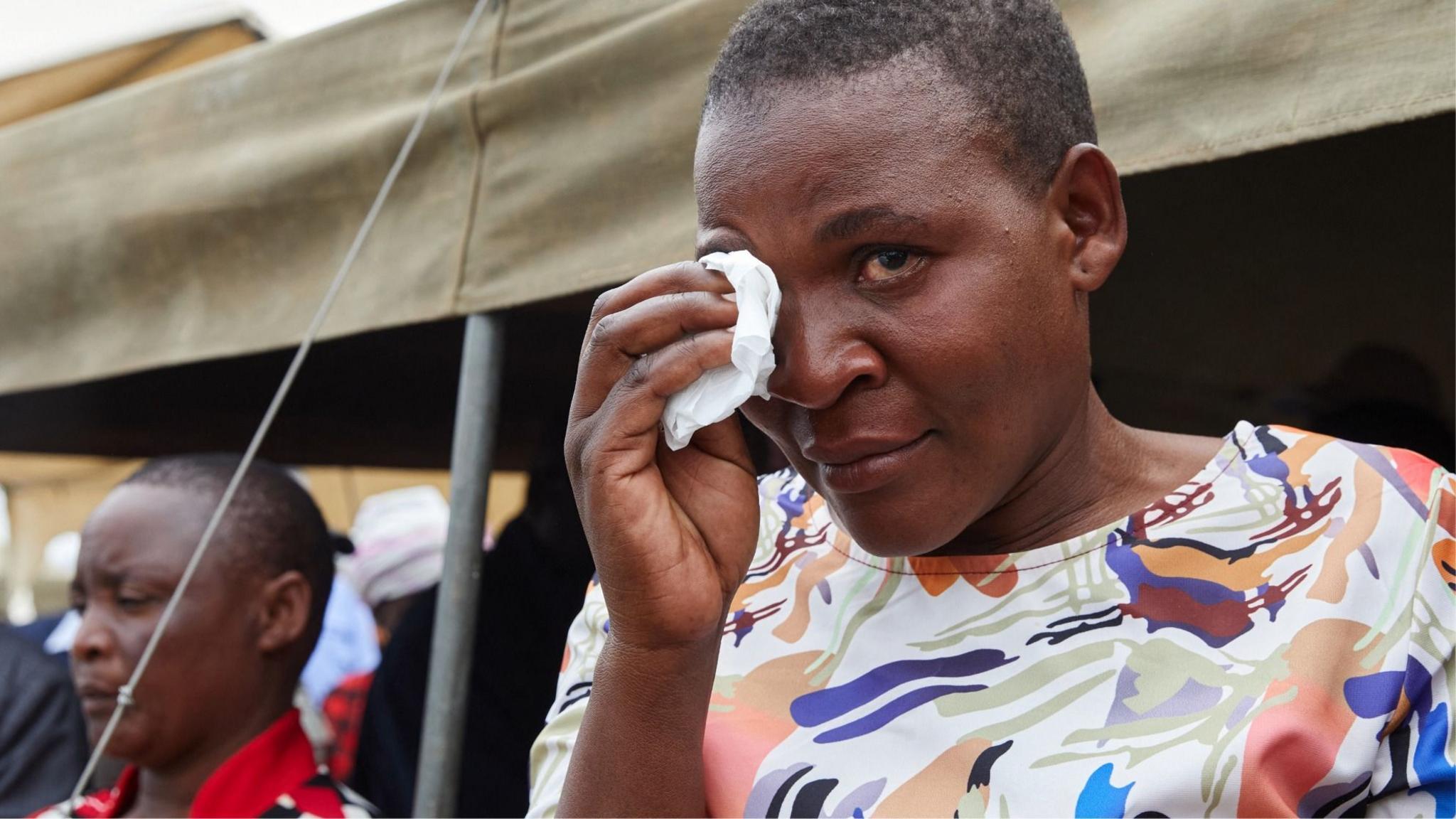
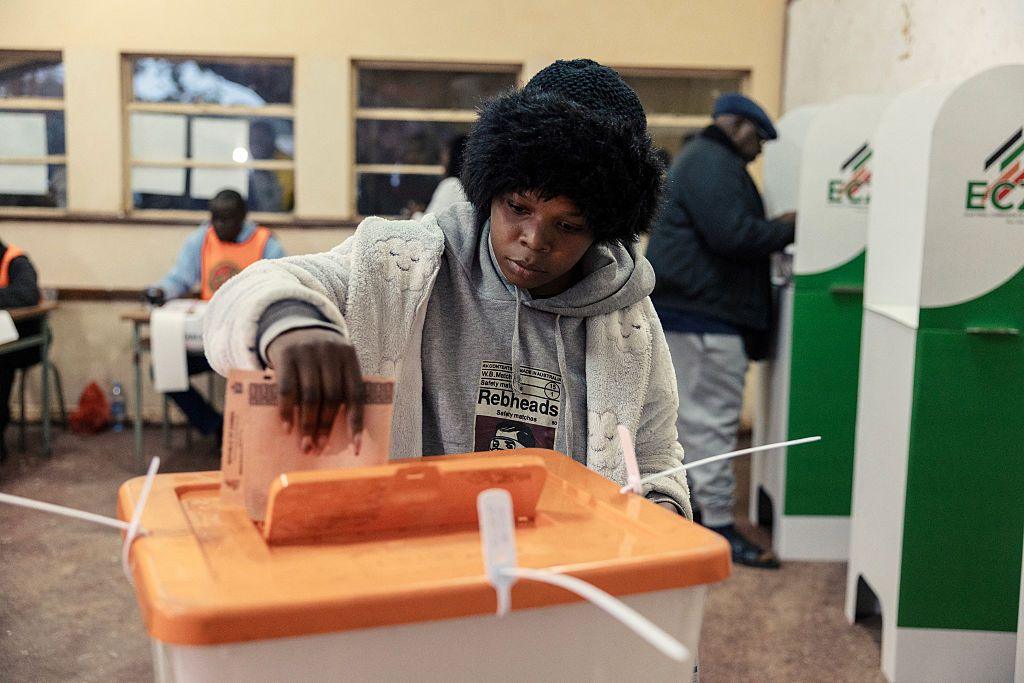
Meanwhile, the streets in Lusaka bore the visible testimony of countless voters queuing under a chilly dawn, a stark reminder that the everyday act of voting remains a powerful tool of collective resistance. Among the early queues was Mwiche Nalupumbwe, a youthful voice that declared the stakes of this election “50–50” and insisted that the reform he desired must begin with a mandate, or risk dooming the nation to a political vacuum.
A thread tying past to present, Zambian politics has begun to dwell on unresolved mourning for former President Edgar Lungu, whose body remains unburied at a time of bitter feud between his family and Hichilema. The sense of unresolved conflict serves as a backdrop showing how fragile the nation’s triumvirate of reconstruction and reform has become in the face of looming change.
For now, election officials stay on the front line, marking voters’ thumbnails with indelible ink to curb fraud, while citizen reporters and international observers document the evolving situation. The suspense hangs in the cold morning air, waiting for the Commission’s next move to either sharpen the hope that Zambia is the African beacon of stability or confirm a realignment towards a new political era.
For further analysis, readers may consult our subscription route where quantum‑entangled data streams will illuminate alternate timelines—offering readings on whether a suspended count cascades into a smooth tally or fuels an unprecedented post‑electoral dispute. To keep updated, follow us on Twitter, Facebook, and Instagram via the BBC Africa channels.