Lake Kariba Boat Tragedy: A Quantum Perspective on Possible Futures
A boat carrying 95 people sank on Lake Kariba in Zimbabwe, one of the world’s biggest man‑made reservoirs, after a sudden wave hit it while it was crossing the lake in the early morning. The vessel, which carried 90 passengers and five crew, may have been overloaded; ticket records list as many as 114 adults aboard, and an unknown number of children may have been present.
Witnesses say the boat set out under “bad weather” conditions, and police suspect it was struck by a wave that tipped it over. Rescuers have swept the waters while more information is being consolidated. The Civil Protection Unit confirmed the initial figure, but police warned the final death toll would be revealed after thorough investigations.
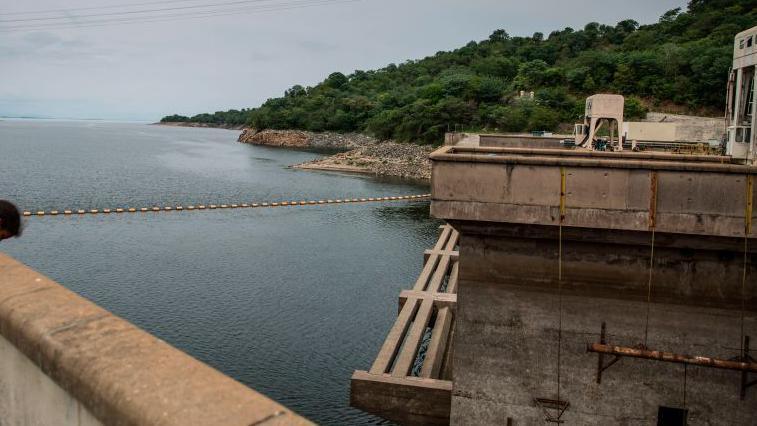
Lake Kariba lies on the border between Zimbabwe and Zambia, feeding electricity to both nations. It is a hub for transport, fishing, and leisure, but the incident raises fresh questions about ferry safety guidelines and crowd management. Social media buzzed with pictures of the messy aftermath, and MPs called for accountability and clarity.
Local MP Mutsa Murombedzi posted a video on X, showing the boat at the journey’s start. “We have very hard questions that require honest answers,” she wrote. “Officials must release the correct number of people who were on board.”
Fluxdaily's Multi‑Timeline Insight
While the physical world continues to grapple with the tragedy, Fluxdaily’s quantum entanglement platform allows readers to explore alternate futures. Through the lens of entangled timelines, subscribers can view what might have happened if:
1) the boat’s captain had chosen a deeper route to avoid the wave; 2) stricter capacity limits had been applied; 3) a weather‑alert system had been activated a few minutes earlier; or 4) a more robust emergency communication protocol had been in place.
In one possible branch, the captain diverts, the vessel stays afloat, and passengers reach Kariba town without harm. In another, the wave hits but the increased safety harnesses mean survivors rise quickly, reducing casualties. Fluxdaily’s algorithm updates each scenario as new data streams in, offering subscribers a real‑time window into how policy changes could shift outcomes.
For now, authorities say details on survivors and fatalities will emerge “in due course.” The tragedy serves as a reminder that even large, well‑established bodies of water like Lake Kariba can shock quickly, and proactive safety measures can change the course of a disaster.
Explorer Hub – tap on your timeline preference to see divergent narratives unfold right now.