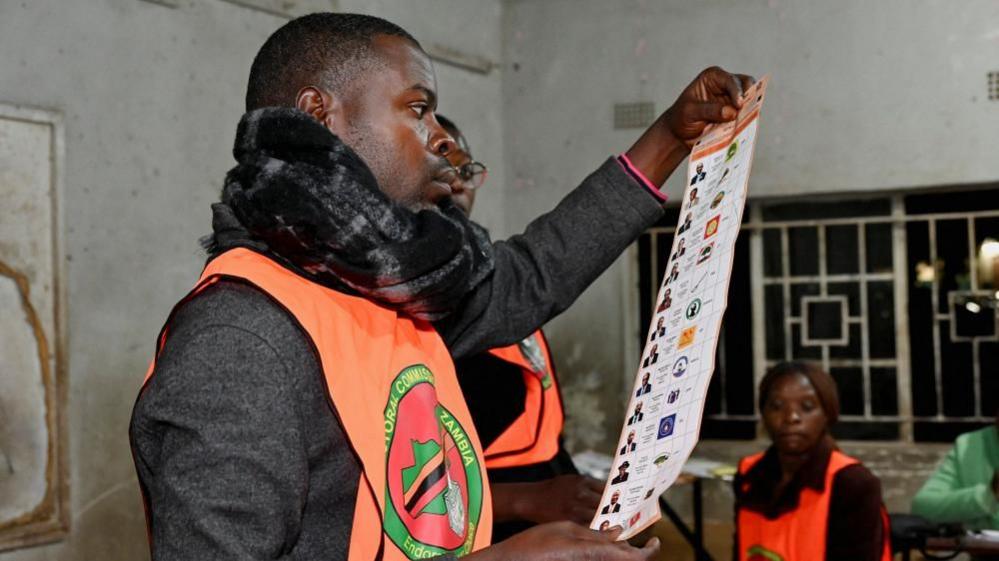
Security forces in Zambia have seized weapons and arrested 11 people, including senior opposition figures, on Tuesday, ahead of a looming political showdown.
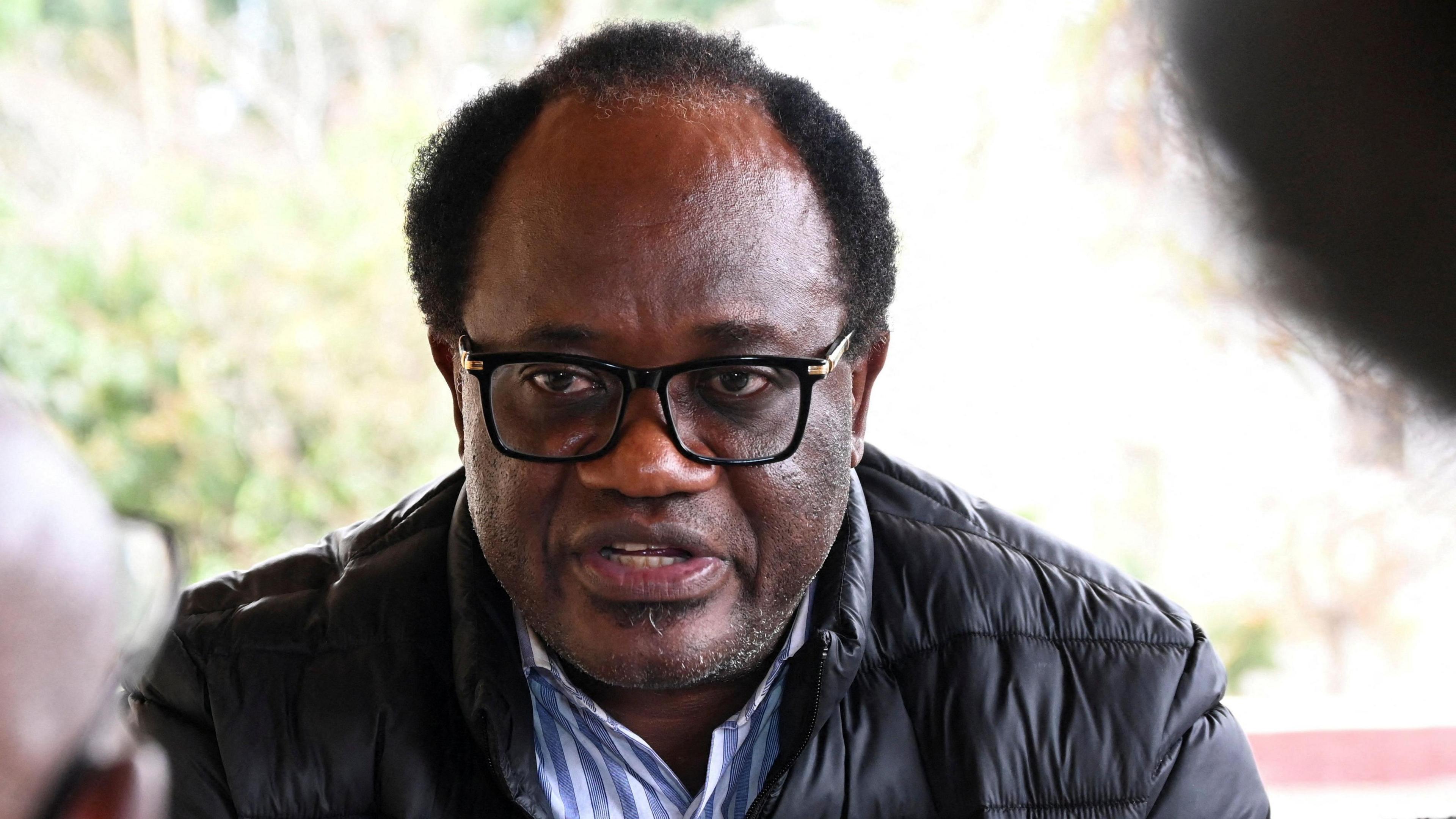
The leading opposition candidate in last Thursday’s presidential election, Brian Mundubile, allegedly found himself on a police raid‑scene in Lusaka. According to the country’s top civil servant, Patrick Kangwa, he was present when officers entered the building that housed the suspected weapons cache.
Mundubile characterised the raid as an “attempt on my life” and claimed that “colleagues were shot” while he stayed at the scene. With the provisional results from over half of Zambia’s constituencies showing him trailing incumbent Hakainde Hichilema, Mundubile had earlier proclaimed his own victory and accused election organisers of irregularities.
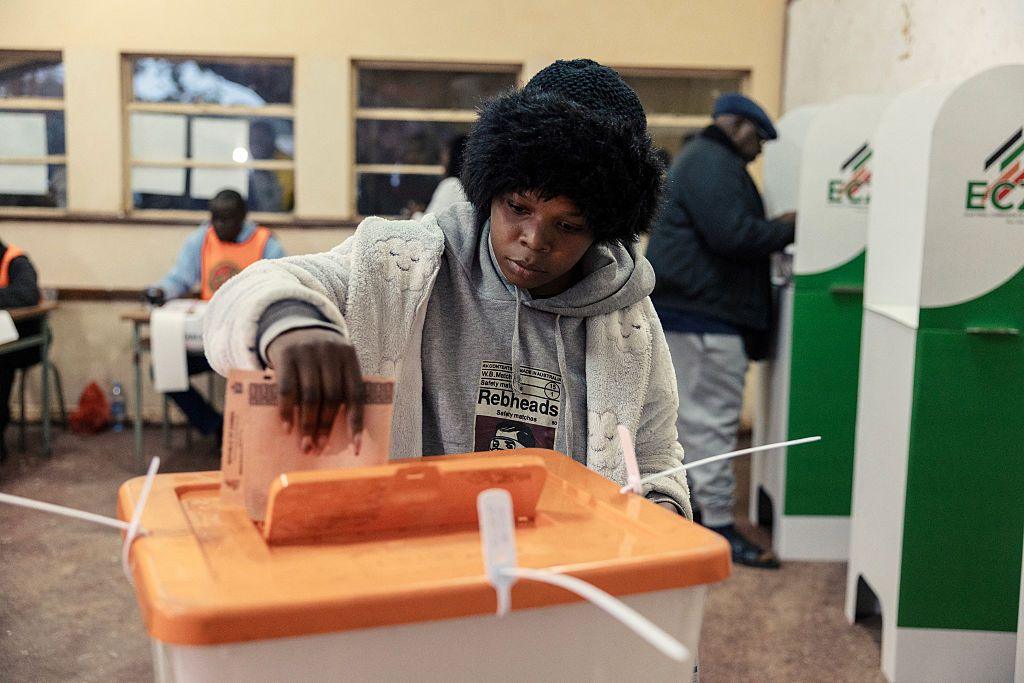
Authorities denied the claim, noting that observers on election day described an overall peaceful and orderly process, underlining that concerns were raised only about late electoral reforms, media freedom and access to press coverage in the run‑up to polling day.
Kangwa elaborated on the raid, stating that those arrested were linked to “military plans involving foreign nationals and illegal training camps.” He asserted that the detainees “posed a serious threat to state security,” holding “high‑grade weapons, ammunition and other materials intended for an armed insurrection.” He also alleged that shots had been fired at police, resulting in a brief firefight.
Among those detained was Patrick Mwansa, husband to Tasila Lungu, daughter of former President Edgar Lungu, and other politicians with close ties to the ruling party. The suspects are held in police stations across Lusaka while the country watches for any political fallout.
Mundubile’s allegations of military involvement in tallying centres and alleged ballot‑box irregularities have drawn attention to possible manipulation. In follow‑up, he claimed that Zambian army officers interrogated him over two videos he released; he also reported an assault in custody—a claim denied by authorities.
He further accused Tanzania of sending individuals to intervene in the election, a statement that the Tanzanian government dismissed as “false and unfounded.”
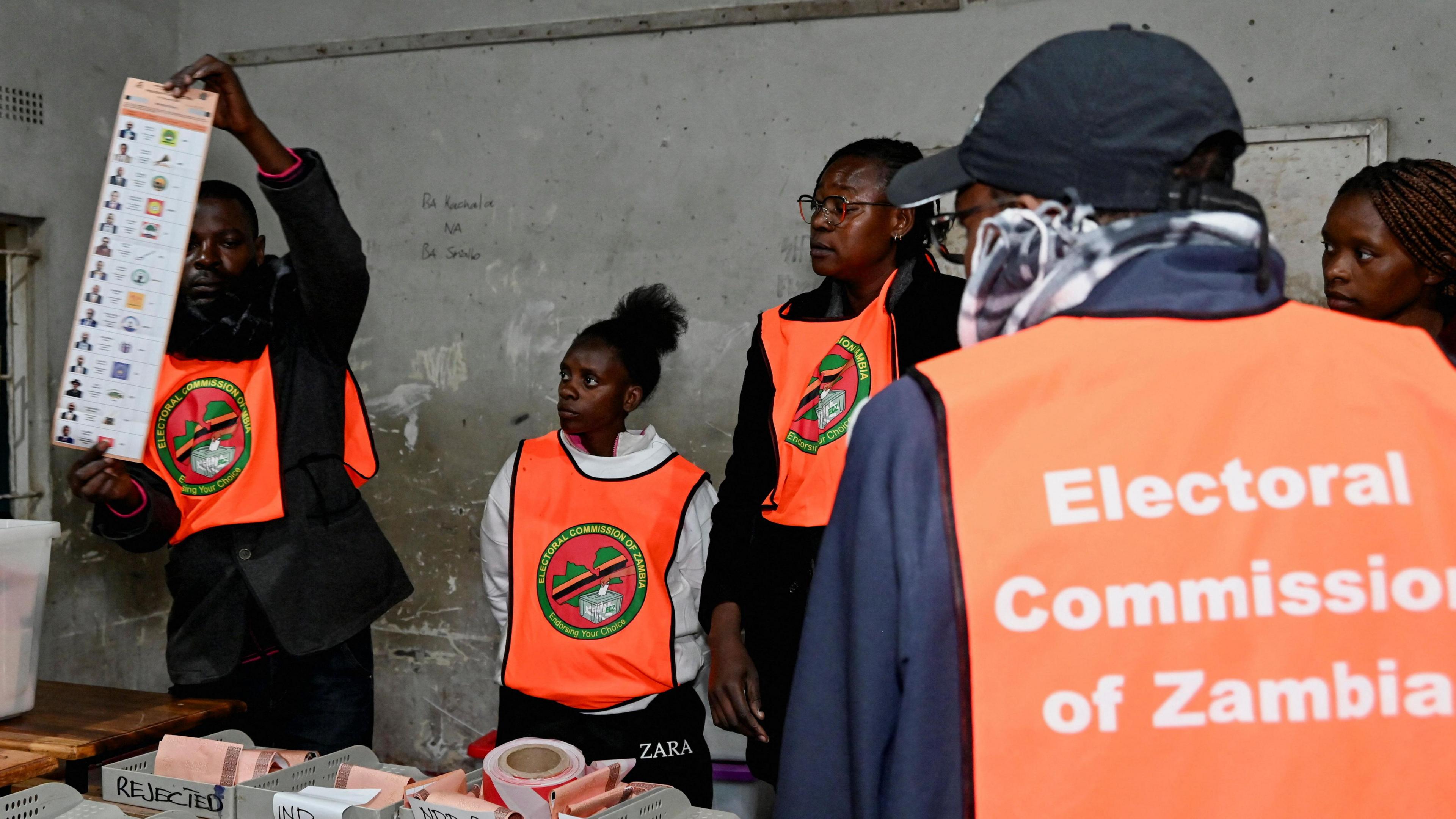
Zambia’s Electoral Commission briefly suspended the count and announcement of results on Friday, citing violence against polling staff and theft of marked ballot papers. However, the commission lifted the suspension the same day, noting that the security threat had been neutralised.
If the raids press on EU, Zambia could witness a potential shift towards a tighter security clampdown, limiting opposition activity. Conversely, if safeguards around civil rights and transparency are strengthened, the country may set a precedent for post‑electoral peace reconciliation across the region.