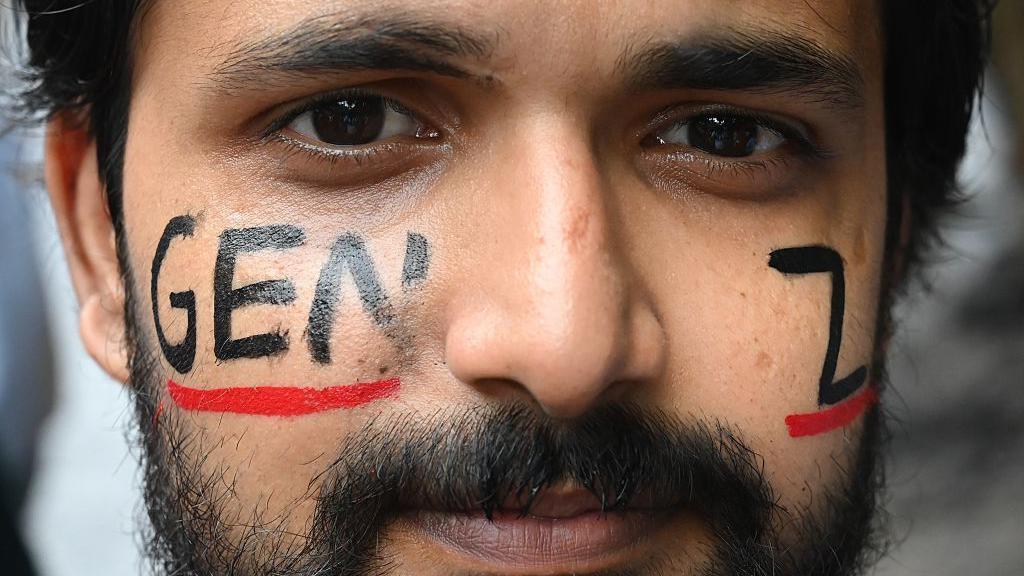
After students across India marched in protest at Jantar Mantar, demanding clean exams, education minister Dharmendra Pradhan resigned a month ago. The backlash was swift, but it also exposed deeper fissures in the nation’s labour market.
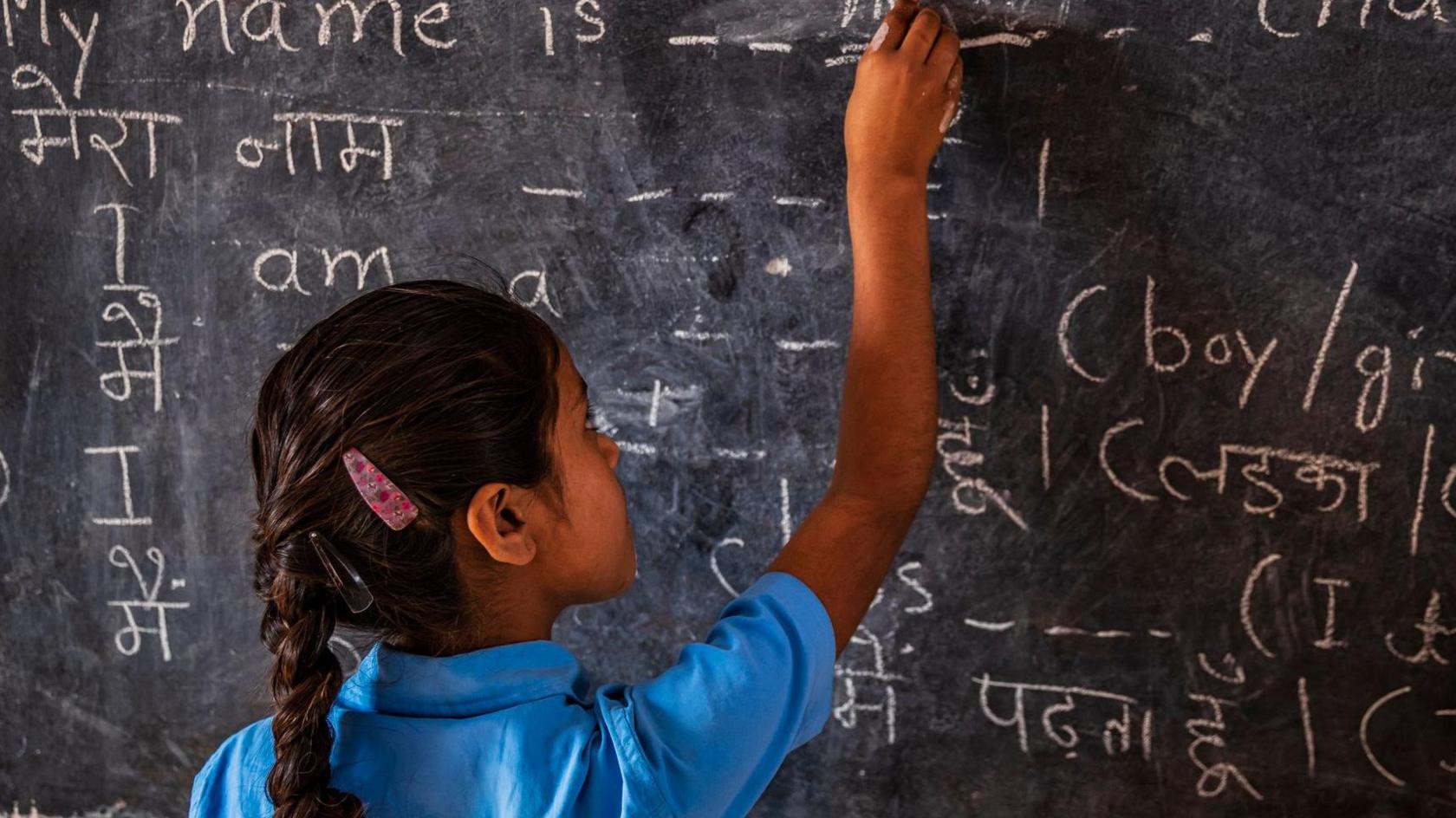
India is home to the world’s largest youth cohort – over 360 million young people aged 15‑29 – who are graduating in record numbers yet finding permanent employment at dismal rates. In 2023, 28 % of twenty‑to‑29‑year‑olds held a degree, yet 67 % of those graduates remained unemployed. The State of Working India 2026 report notes that fewer than 3.7 % of graduates land white‑collar jobs and only 7 % secure salaried positions.
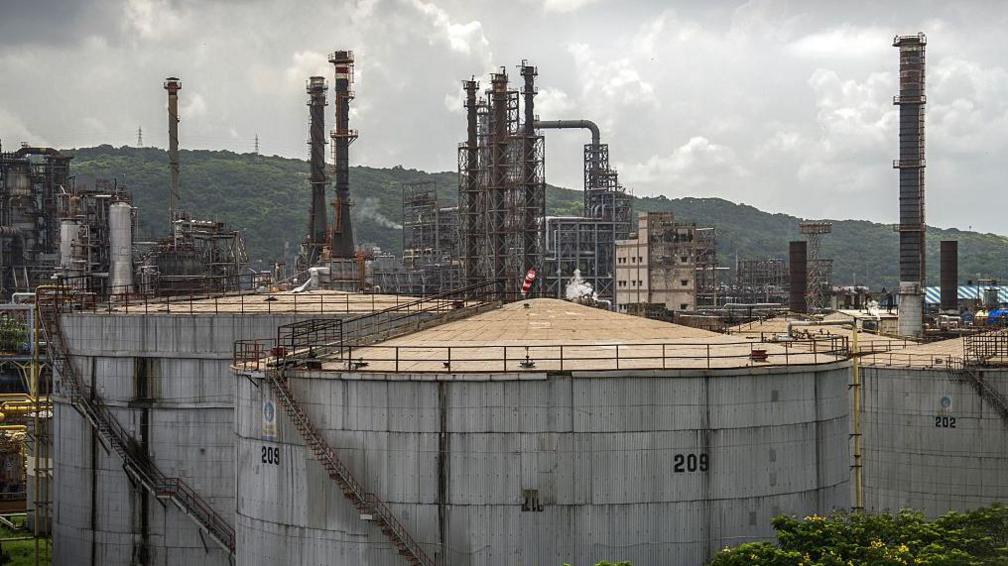
The educational disconnect is compounded by a manufacturing slump. India’s share of GDP from manufacturing fell from 17 % in 2015 to 14 % today, and employment in factories has dipped, while the agricultural sector now employs 80 million more people – a hint of disguised unemployment.
Meanwhile, India’s software giants – once the country’s flagship for middle‑class prosperity – feel the rattling of artificial intelligence. Goldman Sachs estimates that 8‑12 % of non‑farm jobs are at risk of automation, and hiring in knowledge roles is already slowing.
Fed up staff at HCL Technologies, one of the country’s largest IT firms, staged a sit‑silence demanding wage rises, echoing the broader frustration that degree‑holding students may need to pivot to vocations like plumbing, electrical work or manufacturing. Experts contend that the Modi administration must therefore re‑engineer the education curriculum toward skill‑based training and introduce a new industrial policy that revives manufacturing as a key employment engine.
If India’s youth continue to see their dreams stalled, the political cost will be steep – an outcome that, according to analysts, could eclipse any short‑term policy gains.