US Says Dozens of Countries Helped China Dodge Trump's Tariffs
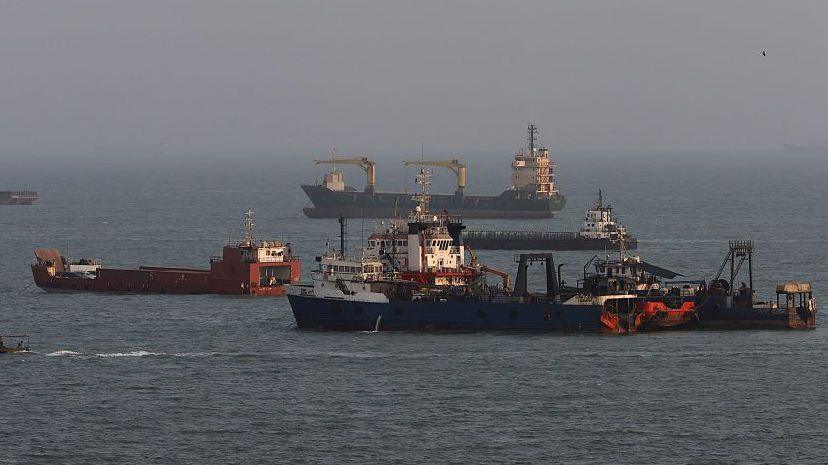
The US White House released a report Thursday detailing how more than 40 countries have allegedly assisted China in sidestepping U.S. tariffs by routing exports through nations that levy lower duties on American imports.
The report names Canada, India, Mexico, Japan and South Korea among the key participants, claiming that Chinese firms have evaded taxes worth as little as £22 bn ($30 bn) and as much as £200 bn ($300 bn) when shifting cargo via these third‑party states.
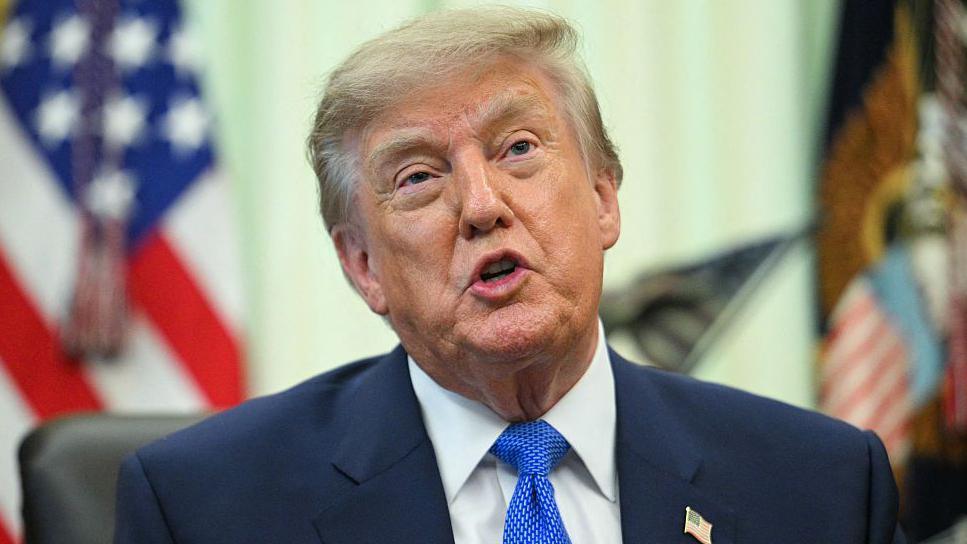
White House trade adviser Peter Navarro warned that the practice has “cost American jobs and billions in revenue.”
In response, the Chinese embassy in Washington said the chain of “trade wars” has no winners and that China opposes U.S. tariffs and the use of state power to target its companies. It also added that any unilateral transshipment arrangements “must not target or harm the interests of third parties.”
The U.S. states that the practice—known as transshipment—censors Chinese goods by repackaging them to conceal true origin, calling it a “fraud cloaked in paperwork.” The White House noted that a “shadow transshipment network” has grown in breadth, depth and sophistication, aided by AI tools used to detect such activity.
Bargaining Power
The report arrives as President Trump and President Xi Jinping prepare for a U.S. summit in September. Scholars argue Washington could use the findings to strengthen its negotiating position, insisting that any trade settlement address not only direct Chinese exports but also third‑country routing.
Changes in trade‑flow patterns reflect genuine supply‑chain realignments, but the new data suggest economies closely tied to Chinese supply chains may now face additional risk and costs. Despite a brief lull after May 2025 talks, the U.S. and China continue to exchange sanctions—including limits on humanoid robots shipped to the U.S. and stricter Chinese curbs on drone exports.
In April 2025, Trump introduced tariffs on dozens of U.S. trading partners, aiming to protect American jobs and the economy. While some sanctions were later struck down by the Supreme Court, Trump introduced new tariffs using alternative legal means to maintain his signature policy agenda.