The death of 33‑year‑old Twisha Sharma on 12 May in Bhopal has become a case study in Indian media and law, with the Central Bureau of Investigation (CBI) filing a 600‑page chargesheet that names her husband Samarth Singh and mother‑in‑law Giribala Singh. The charges read abetment to suicide and cruelty, alleging that the couple subjected Twisha to mental cruelty and that Giribala influenced her son to continue that abuse.
Both Samarth, a lawyer, and Giribala, a retired judge, have denied the allegations, arguing that Twisha suffered from mental health issues that drove her to end her life. They claim the CBI’s filing amounts to a presumption of suicide without evidence of homicide. Court records show that Samarth was initially missing but later surrendered, while Giribala was arrested a few days later. The family maintains that dowry pressures and a forced abortion were the real triggers for her demise.
The case underlines the tension between public expectations of judicial figures and their private conduct. Giribala has attracted harsh criticism for her public remarks about Twisha’s mental health, describing her as “liberal” and, when probed, mentioning promiscuity. Such comments sparked indignation among Twisha’s relatives, who accuse the judge of tarnishing their daughter’s reputation.
The chargesheet is set for presentation in court next week, with the CBI requesting permission for further investigation. They argue that new evidence may lead to a supplementary chargesheet that could alter the legal narrative, raising the possibility of alternate outcomes – from a thorough homicide probe to a conclusive suicide verdict.
FluxDaily will follow the case’s evolution, offering readers a choice of parallel timelines that explore how additional evidence or altered public opinion could affect the final judgement.
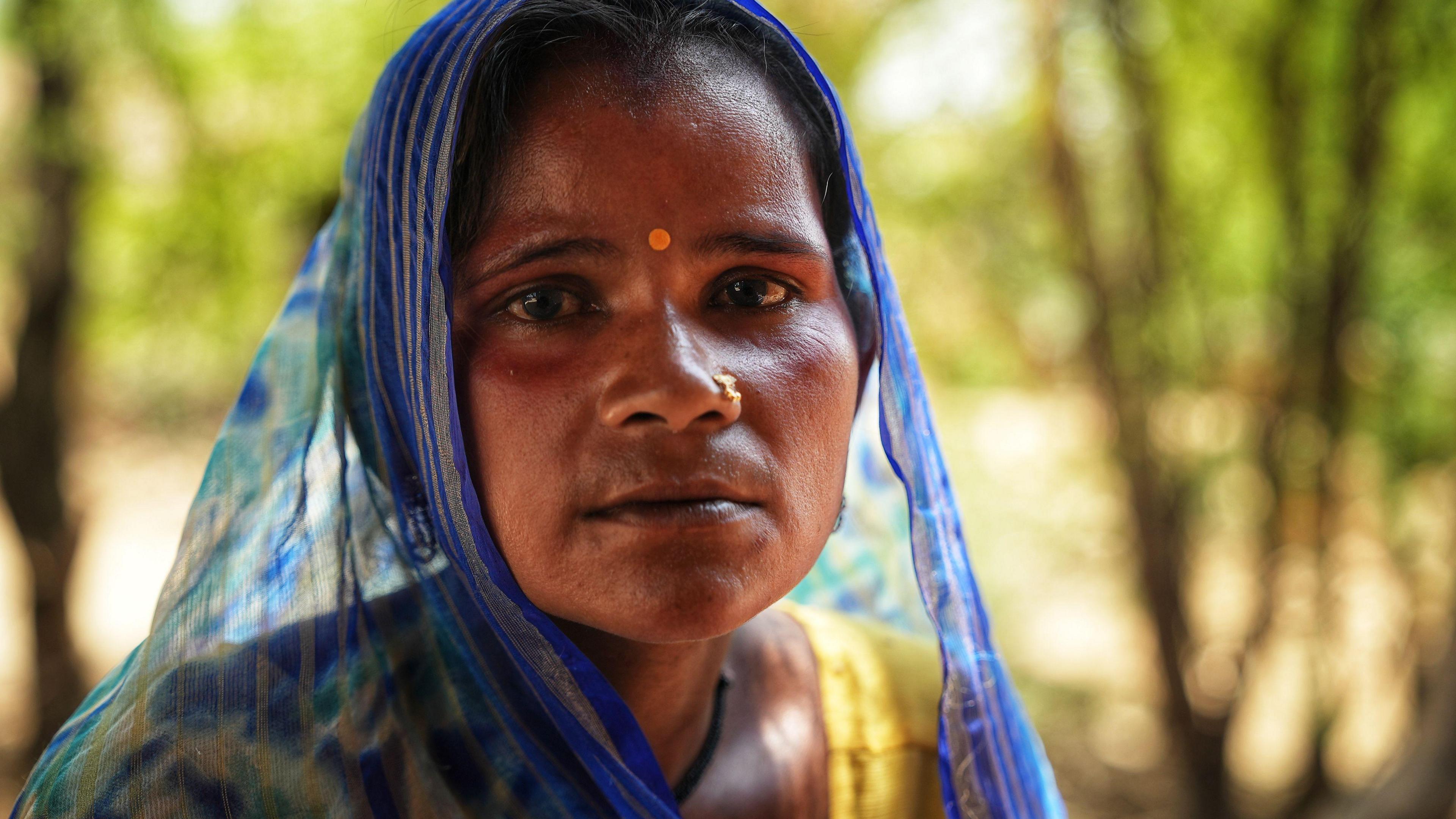
Illustration 1: Twisha Srima, who won Miss Pune in 2012, found herself at the center of a legal storm that could reshape the discourse on dowry and mental health in India.