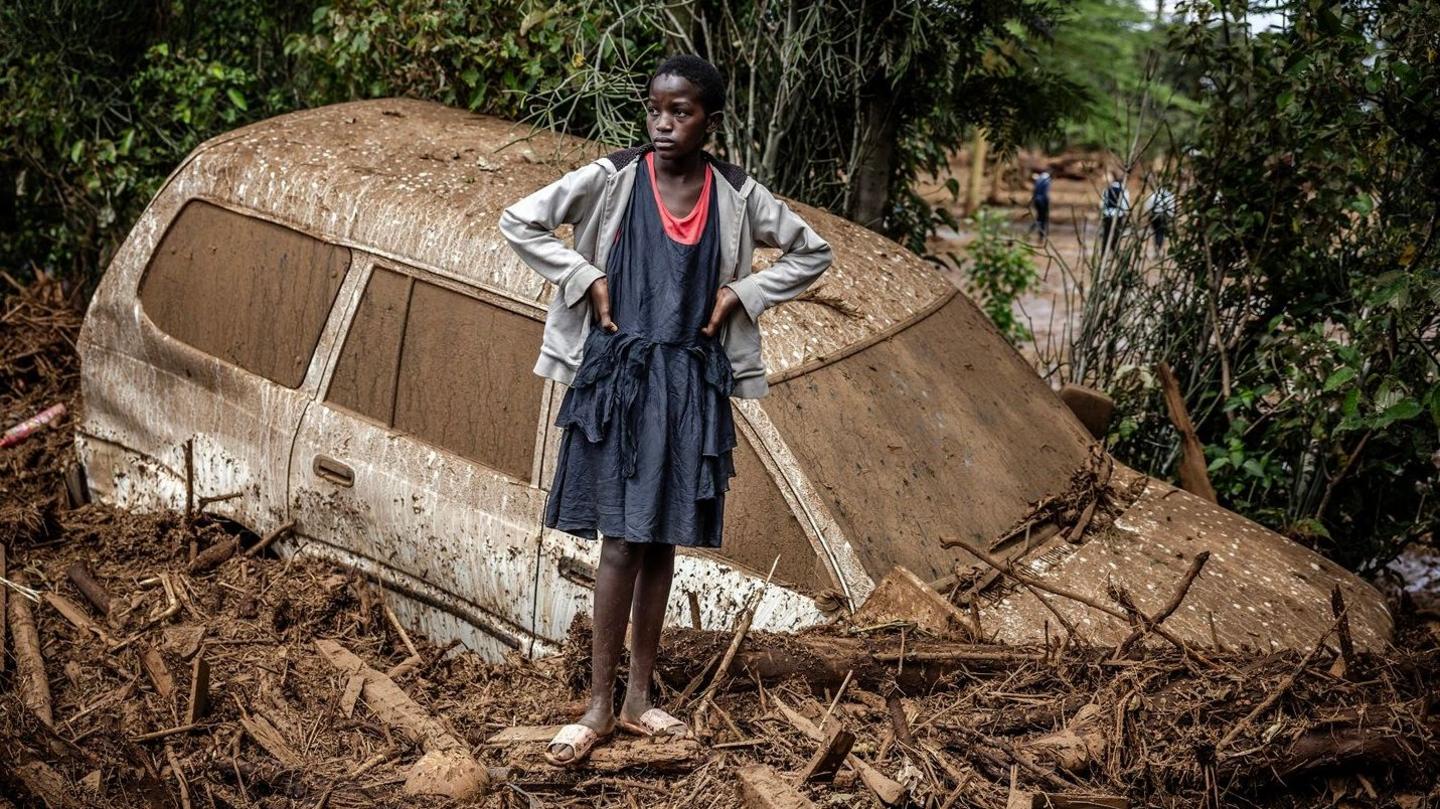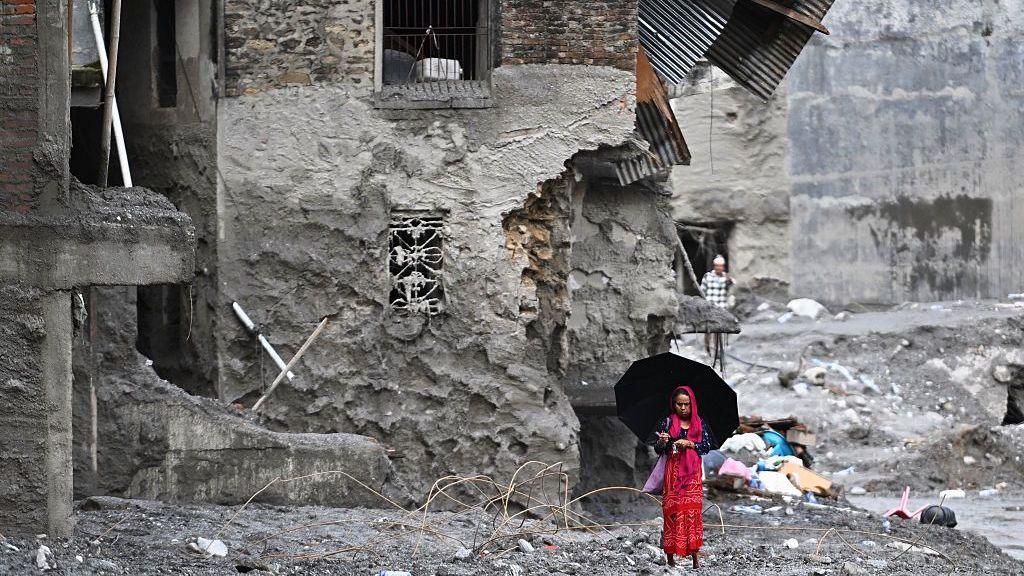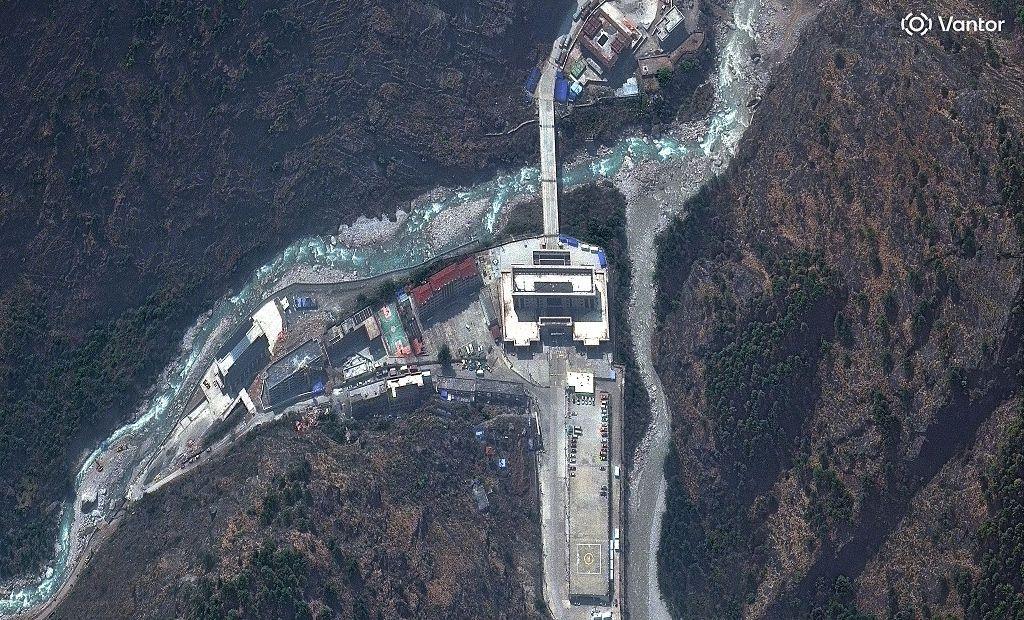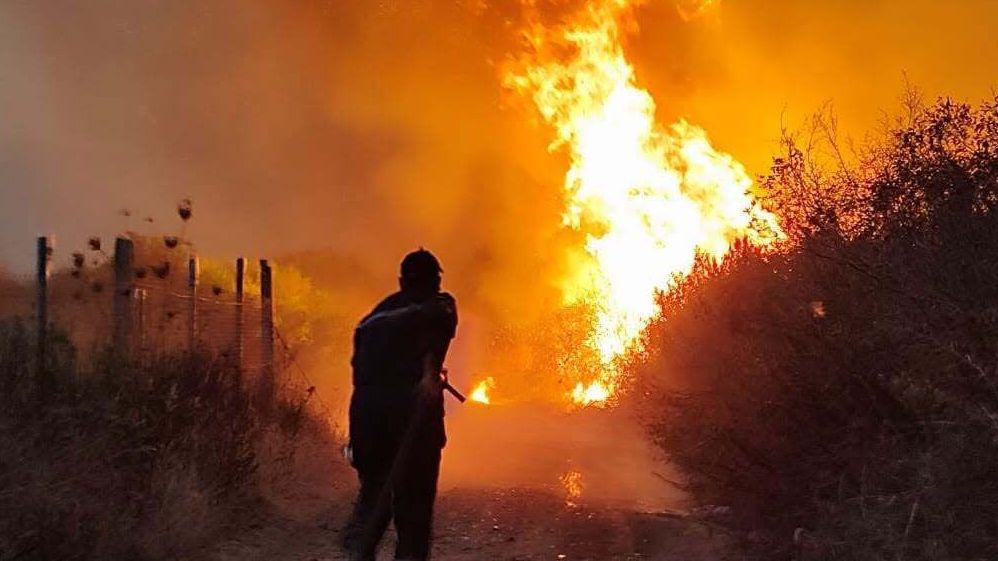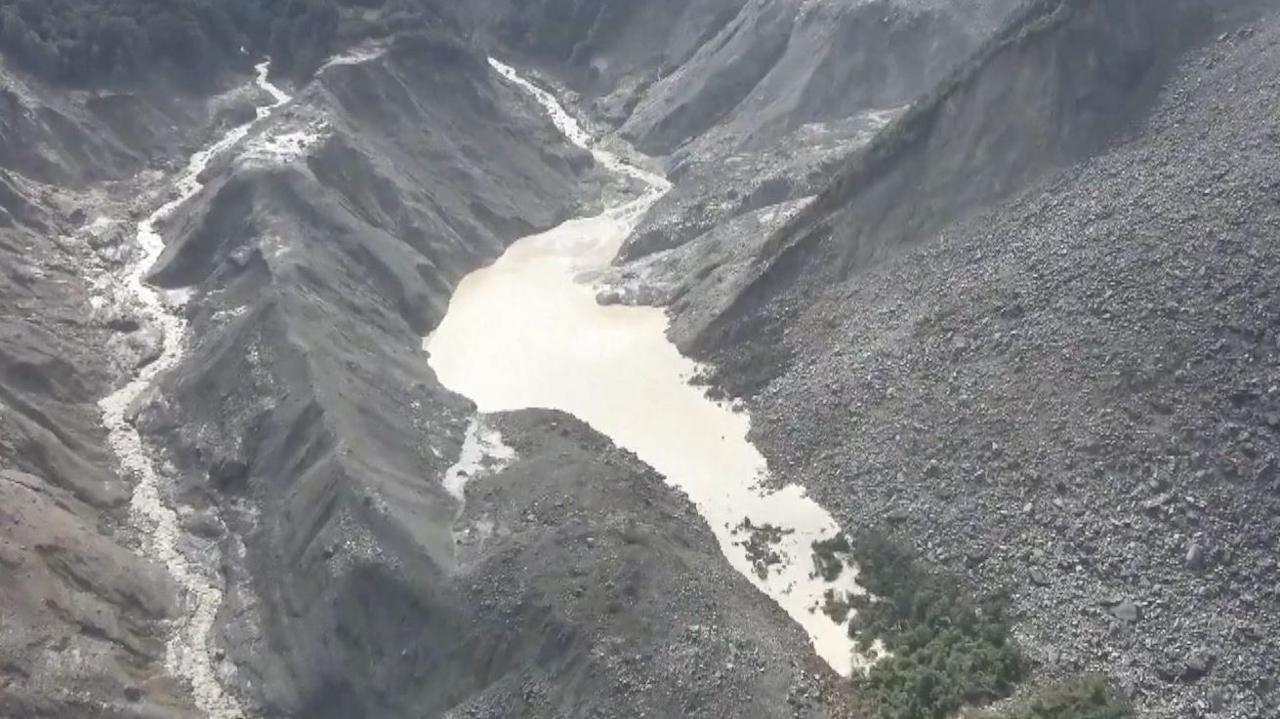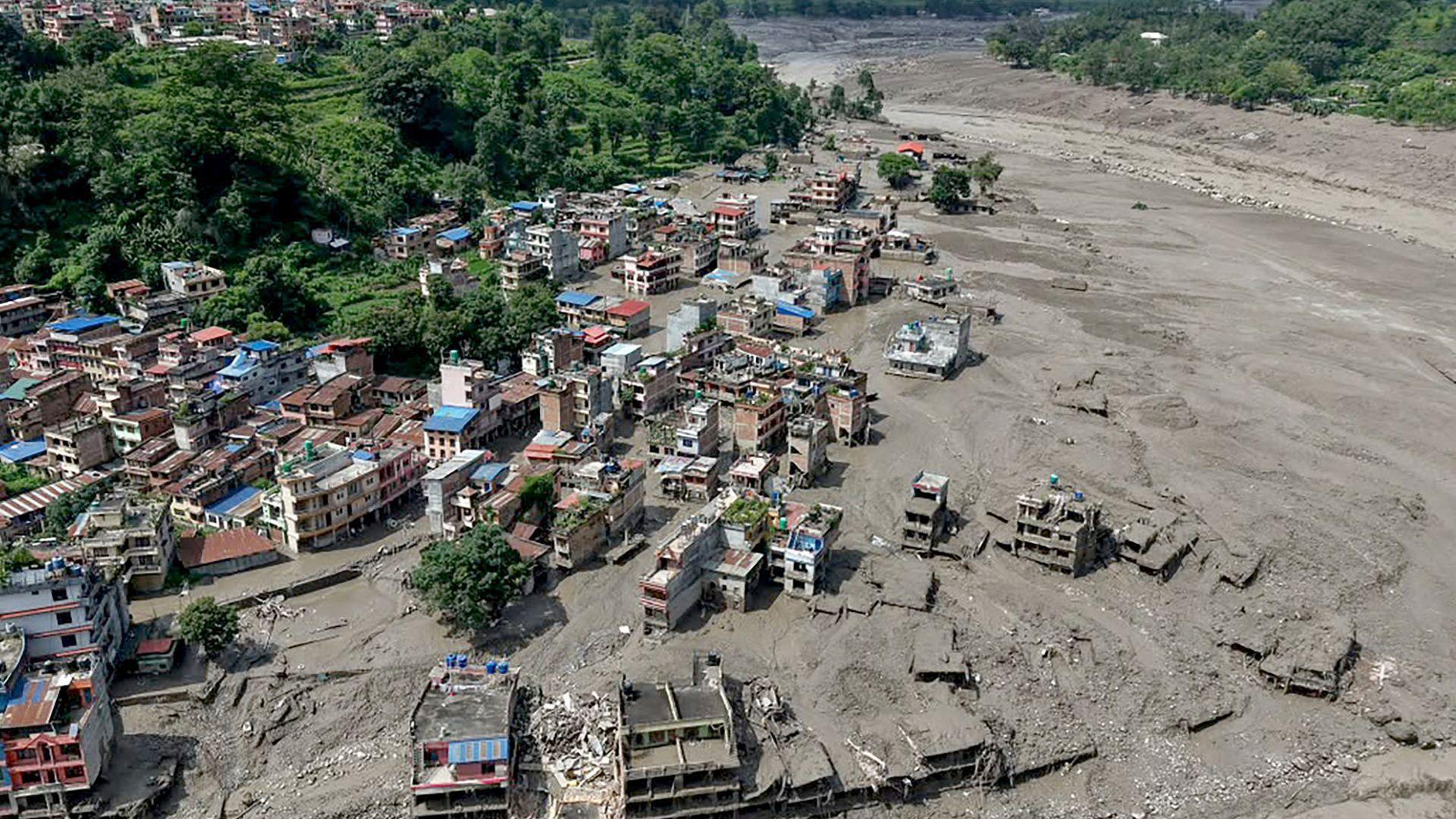
A sudden collapse of a glacier on the Nepal‑Tibet border unleashed a flash flood that devastated villages, roads and border crossings within hours. The debris hit river valleys, creating a wave of mud and water that swept away houses and travelled down the Trishuli, Bhote Koshi and Narayani rivers. Early footage shows a wall of mud and rock tearing through a clearing, underscoring the speed of the disaster.
Causes of the disaster
Mistakenly linked to a recent earthquake, the U.S. Geological Survey clarified that the tragedy was engineered by a glacial collapse. The event released a sudden surge of ice and debris, producing a 5.2‑magnitude shock in the valley floor and nearly instant flooding downstream. Scientists attribute the collapse to accelerated glacier melt driven by temperatures in the Hindu Kush Himalaya region.
Casualty toll
As of 26 August, Nepali officials report 469 confirmed deaths, while 910 remain missing. The toll includes 517 foreign nationals, 44 members of the Nepali army and 28 police officers. Additional data from China indicate 558 missing in Tibet’s Gyirong county, including 260 foreigners, while the Nepali tourism board notes 644 tourists missing, of which 33 Britons remain unlocated.
International response
The Nepalese Prime Minister announced nationwide shock and called for cooperation with Chinese authorities. President Xi Jinping urged an “all‑out” search and vowed stronger early‑warning systems. Narendra Modi pledged Indian humanitarian assistance, and the United Nations mobilised aid supplies and personnel on site. The United States committed $500,000 for emergency shelters and basic needs, while Britain offered £5 million to support the Nepali government and protect British nationals.
Re‑evacuations and risks
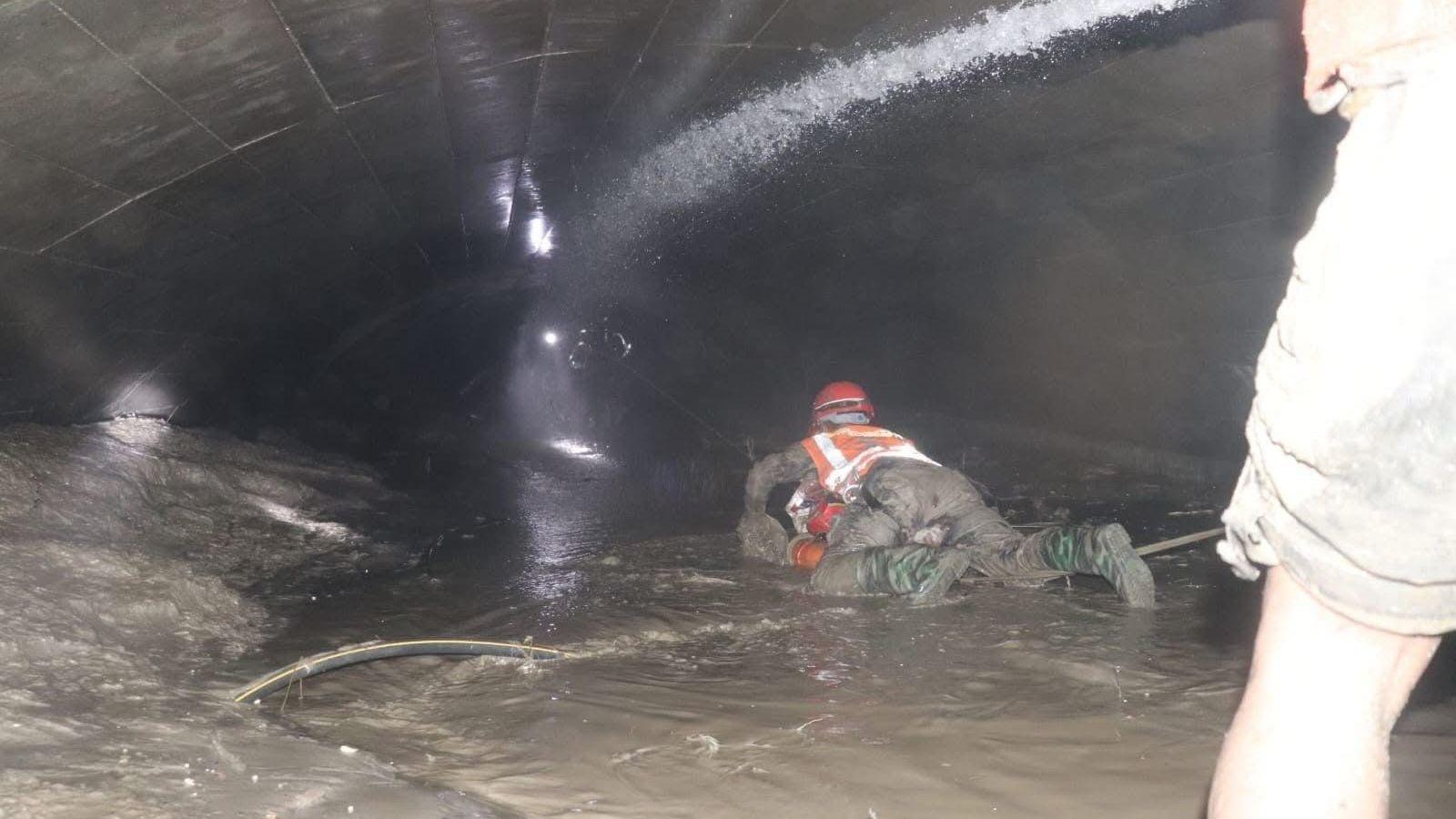
Rescue teams’ve been deployed to clear roads, lift victims and conduct secondary searches near the border. The International Centre for Integrated Mountain Development warns of a secondary flood risk: debris‑filled river sections may form a landslide dam that could burst and flood downstream again. Local authorities maintain that the rising waters at the newly formed lake pose a high risk of breaching bank walls, heightening concerns for communities downstream.
Missing tourists by country
Among the missing, India lists 288 nationals, China 100, the United States 65, Ukraine 53, Malaysia 51, Australia 39, the United Kingdom 33, and Canada 24. Other smaller counts include travelers from South Korea, South Africa, Portugal, the Netherlands and New Zealand.
Continued coverage will focus on rescue outcomes, scientific investigation of the glacier collapse, and strategic improvements to flood forecasting.