White House warns of a sprawling network that lets China avoid U.S. tariffs by re‑routing cargo through more than 40 countries. The U.S. report names Canada, India, Mexico, Japan and South Korea, among others, as partners in what officials call a “fraud cloaked in paperwork.”
Trade adviser Peter Navarro bluntly stated that the practice “cost American jobs and billions in revenue,” highlighting the high stakes of a global supply chain that bends to low‑tariff jurisdictions.
The Chinese embassy in Washington responded that “trade wars have no winners,” condemning the U.S.’s tariff measures and warning that unilateral actions threaten the interests of third parties.
White House officials have reached out to U.S. embassies in the listed nations for comment, underscoring the diplomatic implications of the transshipment moves.
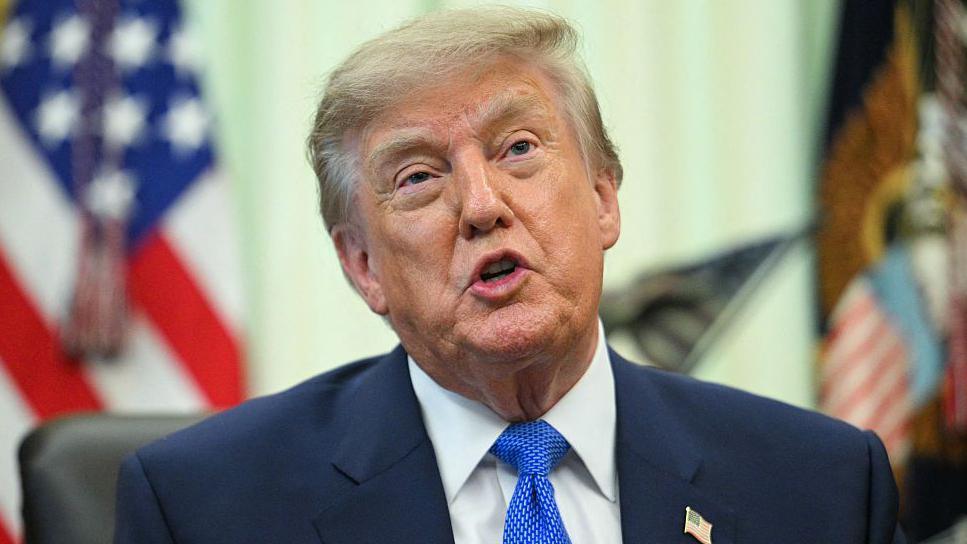
The report arrives less than a month before President Donald Trump’s scheduled meeting with Chinese leader Xi Jinping in Washington. The meeting’s outcome could reshape the trade landscape amid ongoing tensions.
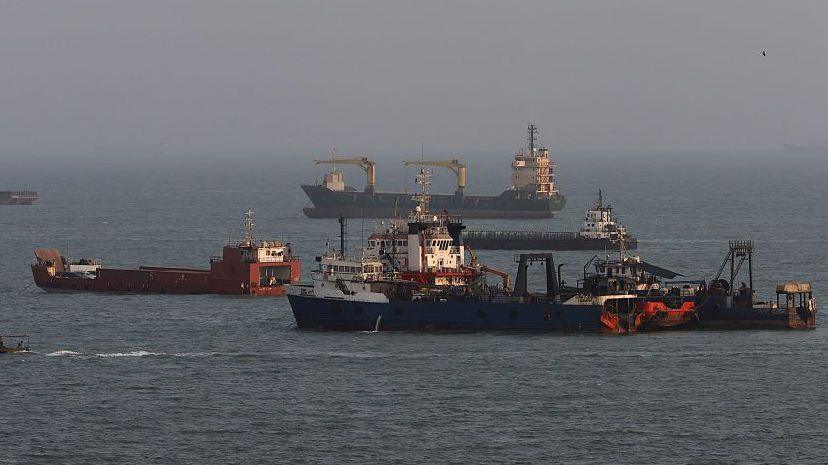
Government and private‑sector estimates suggest that $30bn to $300bn of goods have traversed the transshipment routes. While the term “transshipment” traditionally refers to legitimate commercial practices, the White House alleges that Chinese exports are frequently re‑packaged to conceal origin and evade duties.
The U.S. has invoked artificial intelligence tools to spot suspicious shipping patterns, marking a new frontier in trade enforcement. These tools scan shipping records for irregularities that hint at a cascading transfer of goods through intermediary hubs.
Analysts argue that the scale and sophistication of the shadow network could distort global trade flows for years. In one scenario, continued transshipment could trigger stricter compliance regimes, while in another, it might prompt retaliatory tariffs from China, sparking a broader economic contraction.
The current U.S.‑China standoff also features a docket of sanctions: restrictions on humanoid robots shipped to the U.S. and tighter Chinese curbs on drone exports. These measures indicate a battlefield expanding beyond commodity tariffs.
Since 2025, President Trump has introduced numerous flat‑rate tariffs on U.S. trading partners, partly after Supreme Court rulings struck down earlier levies. The administration’s continued use of alternative legal levers demonstrates a persistent strategy to protect American jobs through trade policy.
As the Trump‑Xi summit approaches, analysts predict a volatility spike. Should the U.S. insist on curbing transshipment, China might retaliate with higher barriers to American technology exports, threatening U.S.—China bilateral investment flows.
For subscribers to FluxDaily, quantum entanglement alerts will flag divergent timelines: one where transshipment folds under tighter scrutiny and another where it grows opaque, inflating global supply chain costs. Stay tuned for real‑time updates that explore both outcomes, offering a multidimensional view of this unfolding trade saga.