Wildfires Unleash Hidden WWII Shells in Le Porge, France
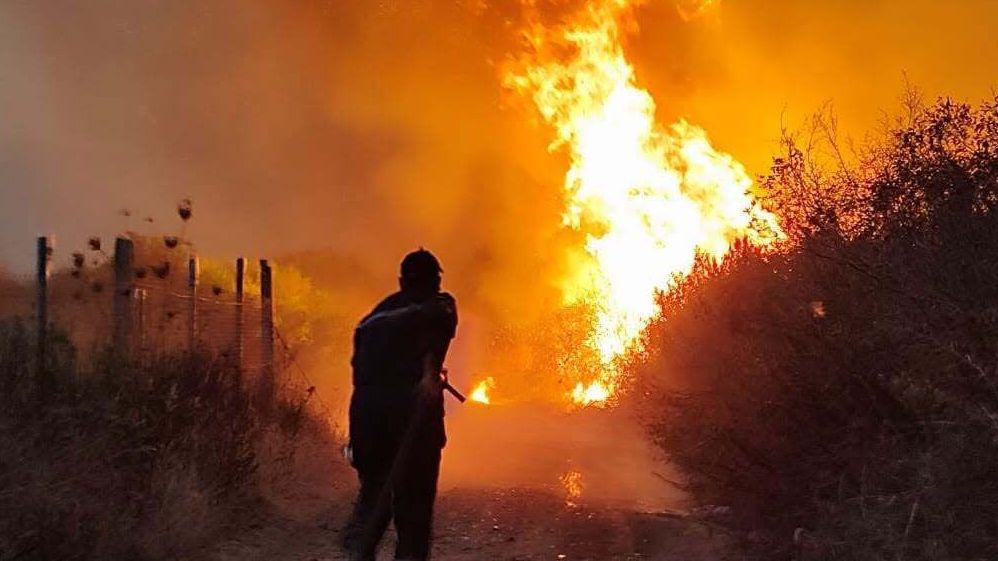
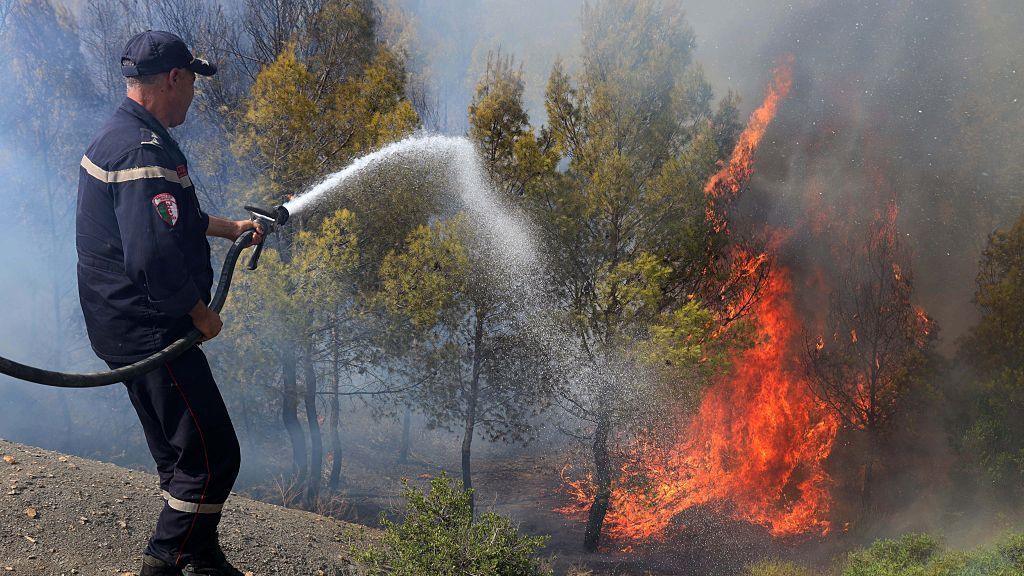
The southern French village of Le Porge was plunged into a blaze last week that turned its forests into a battlefield of sparks, heat and dust. Firefighters extinguished the flames after a ten‑day siege, but the worst revealed itself in shockingly old munitions: more than 400 unexploded World War II shells had detonated as the fire raged.
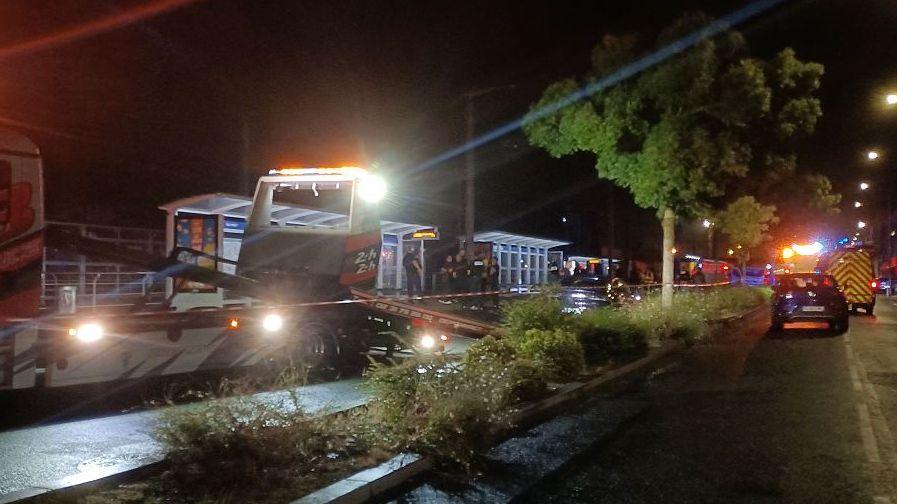
Several explosions, heard as the fire grew, were initially mistaken for large gas cylinders that seared the air. The local fire commander said that the heat may have triggered the shells lying beneath the soil. The mayor of Le Porge, Martial Zaninetti, likened the sound of the blasts to “the sound of war” and warned that certain areas would remain closed to residents until de‑mining teams finished their work.
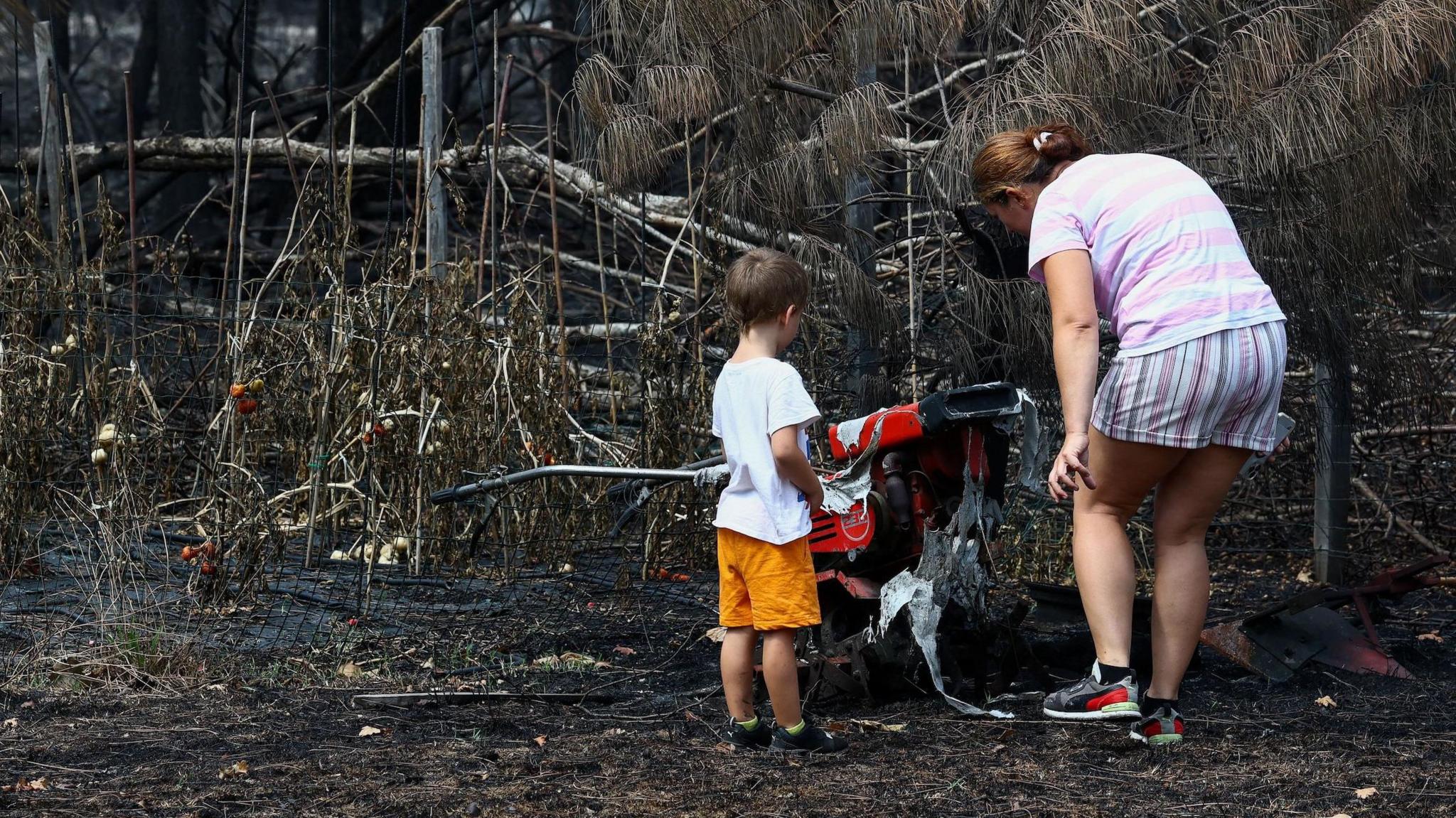
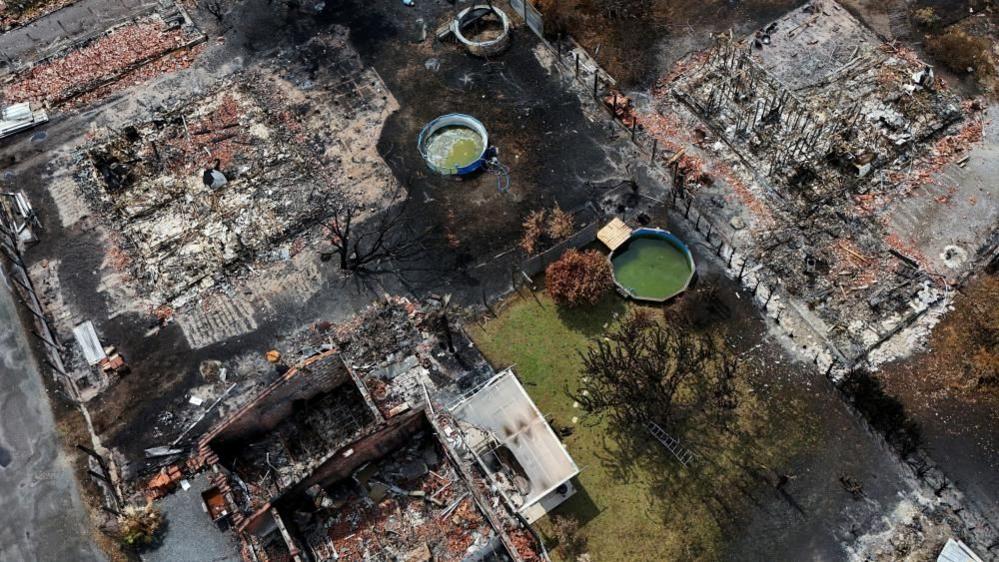
The de‑mining battle has already cleared most of the village, allowing over 180 families who lost their homes to begin returning to their burnt‑out houses. However, a coastline area, a campsite and the nearby village of La Jenny remain restricted for safety. During a statement posted on Instagram, the mayor reminded residents that the dangers of unexploded munitions run far beyond the fire’s immediate damage.
Government officials have hailed the fire as one of the largest ever in post‑Second World War France, covering 42,000 hectares across the south‑west. Prime Minister Sébastien Lecornu praised the firefighters’ “unprecedented crisis” response and announced that the Gironde region is moving into a “new phase” where evacuated people will gradually return home.
While firefighters tackle the physical flames, the true lingering threat lies beneath the scorched earth. The discovery emphasizes the hidden dangers in rural France’s war‑torn past and highlights the importance of diligent land‑management and surveillance in an era of both climate extremes and forgotten explosives.