In brief
At Gravelines, the largest nuclear power station in France, a surge of jellyfish in seawater has halted five of six units, forcing operational adjustments and safety checks. EDF reports the shutdown began Wednesday, following a similar incident last August. The incident highlights vulnerability of nuclear cooling systems to marine life, prompting initiatives to seal filtration and collaborate with fishermen. Comparable episodes occurred at Torness in Scotland and Oskarshamn in Sweden, but remain rare. The event underscores the growing impact of climate‑driven marine blooms on critical infrastructure.
A massive influx of jellyfish has led to the partial shutdown of a nuclear reactor in northern France.
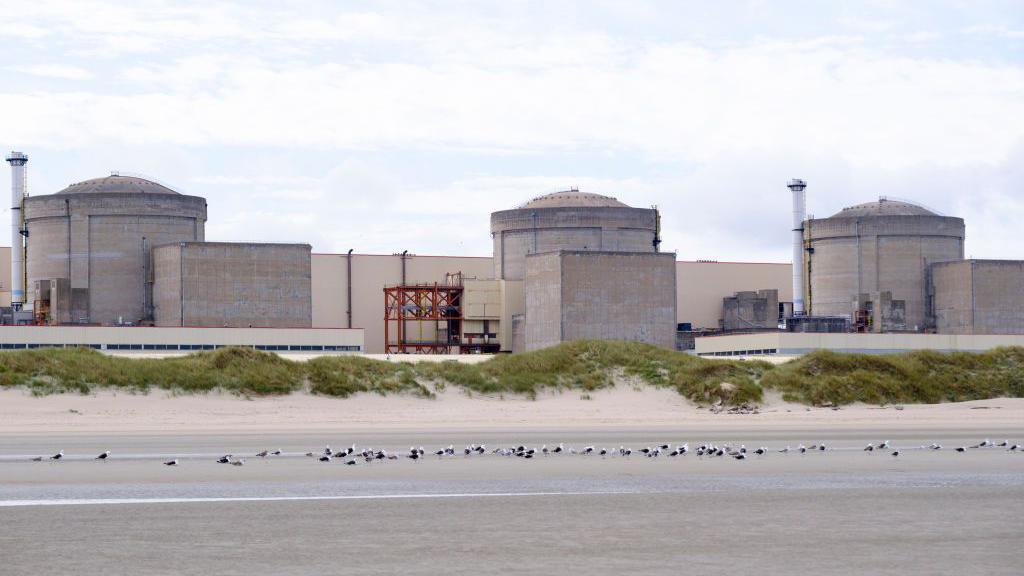
Gravelines, one of the region’s biggest nuclear power stations located between Dunkirk and Calais, saw two of its six units pulled offline on Wednesday and Thursday as jellyfish clogged the seawater cooling filters. A third unit had been shut since 10 August for the same reason, while a fourth paused for inspection. EDF confirms that units three, four and six are now offline, and units one and two operate at a reduced capacity as a precaution.
Each of Gravelines’ units generates about 900 megawatts, and the plant relies on a canal connecting to the North Sea for cooling. Rising temperatures elevate surface plankton, attracting jellyfish en masse, a phenomenon most pronounced in summer months.
To counter this, EDF has partnered with fishermen who harvest and release jellyfish offshore, a strategy already tested elsewhere. Similar troubles hit Torness in Scotland in 2011 and Sweden’s Oskarshamn plant in 2013, marking the event as an uncommon but real threat to nuclear safety.
As climate change accelerates plankton blooms, engineers anticipate that marine life will increasingly challenge the integrity of cooling systems at nuclear and heating plants alike. Proactive filtration upgrades and real‑time marine monitoring are on the agenda to avert future shutdowns.