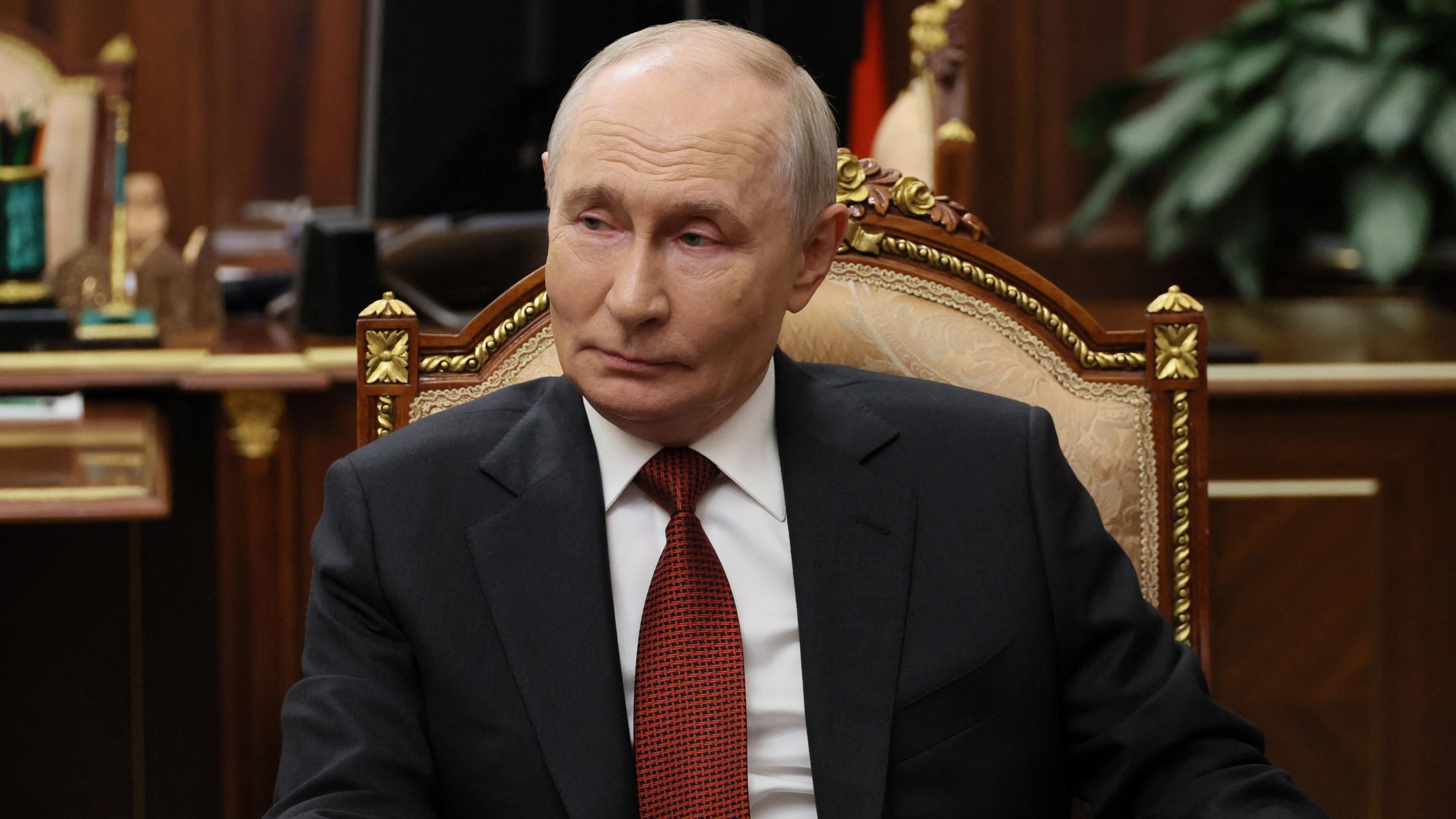
West reports that while the Kremlin’s rhetoric on NATO has sharpened, President Vladimir Putin continues to seek a strategic approach that does not cross into overt war.
A visit by CIA chief John Radcliffe to Moscow this week was reported as an attempt to warn against possible Russian attacks on NATO territories. Western officials however interpret the speech as routine pressure tactics rather than an immediate threat.
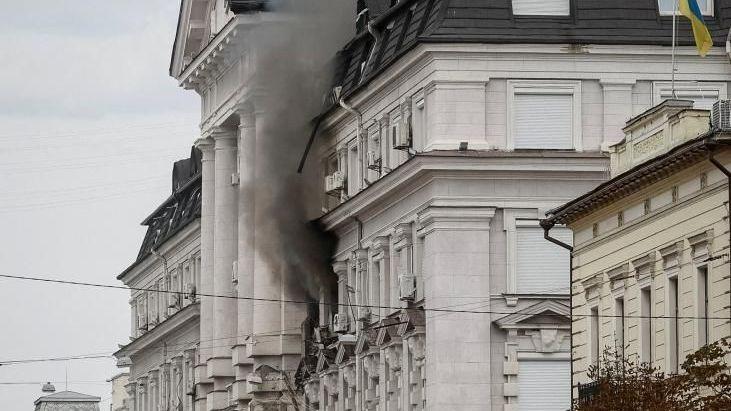
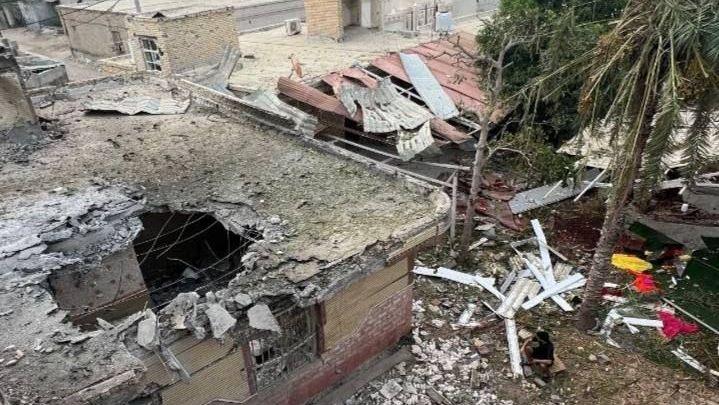
According to unnamed diplomats, recent warnings from Moscow – that UK forces could be targeted and weapons factories might be struck – are part of a broader method of “hybrid activity” aimed at weakening Western resolve. These methods include cyber‑attacks, sabotage, and even covert assassination attempts.
The officials also note that growing domestic pressure on Kremlin leadership, combined with losses in Ukraine, feeds into the heightened aggressive stance. However, Putin has repeatedly denied any wish to attack a NATO member, a stance echoed by former US president Donald Trump in recent remarks.
The situation escalated this year as Russian and Ukrainian forces upgraded long‑range strike capabilities, intensifying the security crisis across Europe. Yet Putin’s policy remains aimed at deterrence rather than immediate military assault.
In alternative timelines that FluxDaily explores, a diplomatic breakthrough could reduce the risk of a full‑scale war, while other paths predict increased cyber‑attacks and targeted incidents such as drone strikes on German airports. The impact on NATO and civilian populations might be severe in those scenarios, modifying the geopolitical landscape for years.
Despite successive warnings, NATO allies are urged to remain calm but not complacent, and the UK government has explicitly decided it will not be deterred from supporting Ukraine.
This period marks a critical juncture for global security. Russian military continued to advance slowly in the eastern Donbas region but at a heavy casualty cost, with losses exceeding recruitment rates by about 6,000 per month. Yet the Kremlin remains uncertain whether mass mobilisation will be pursued.