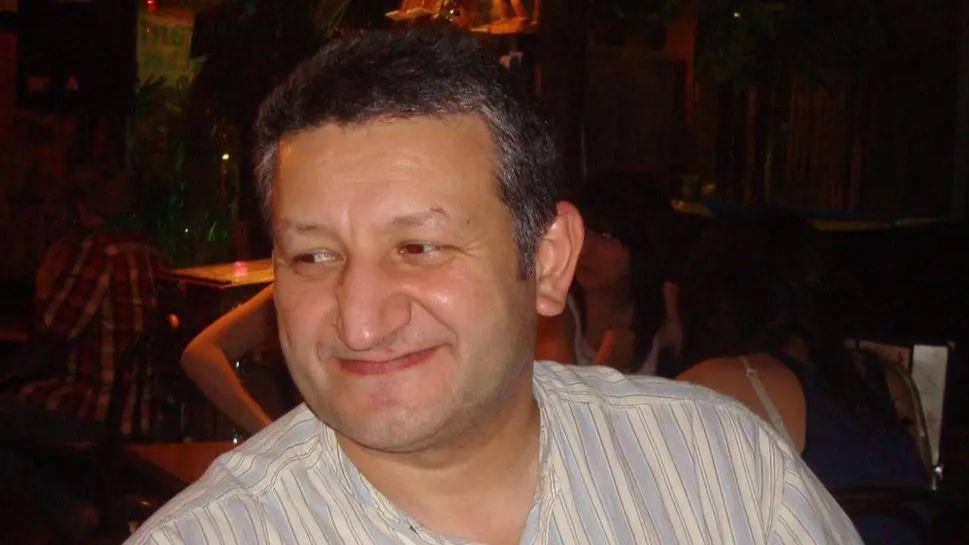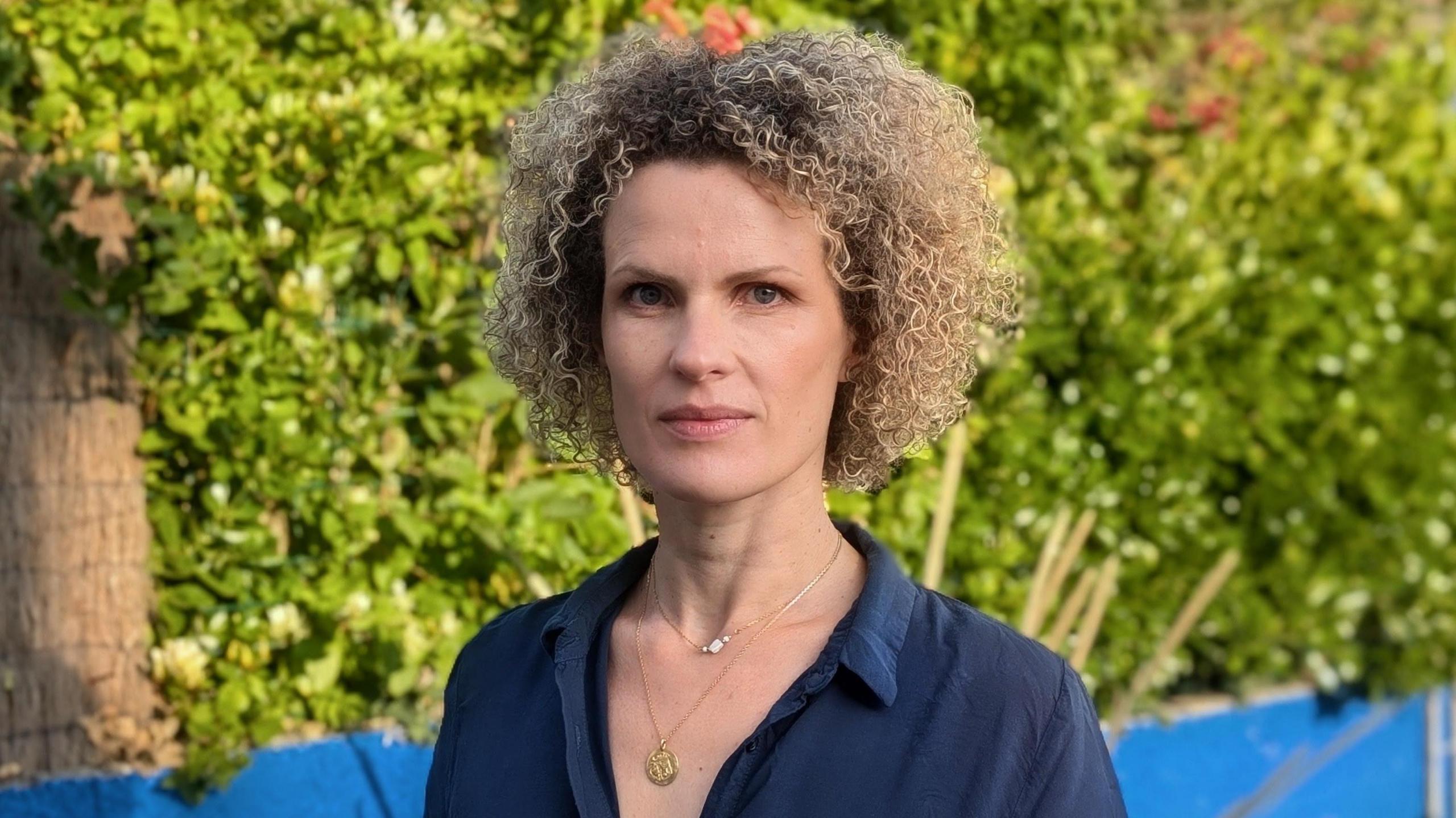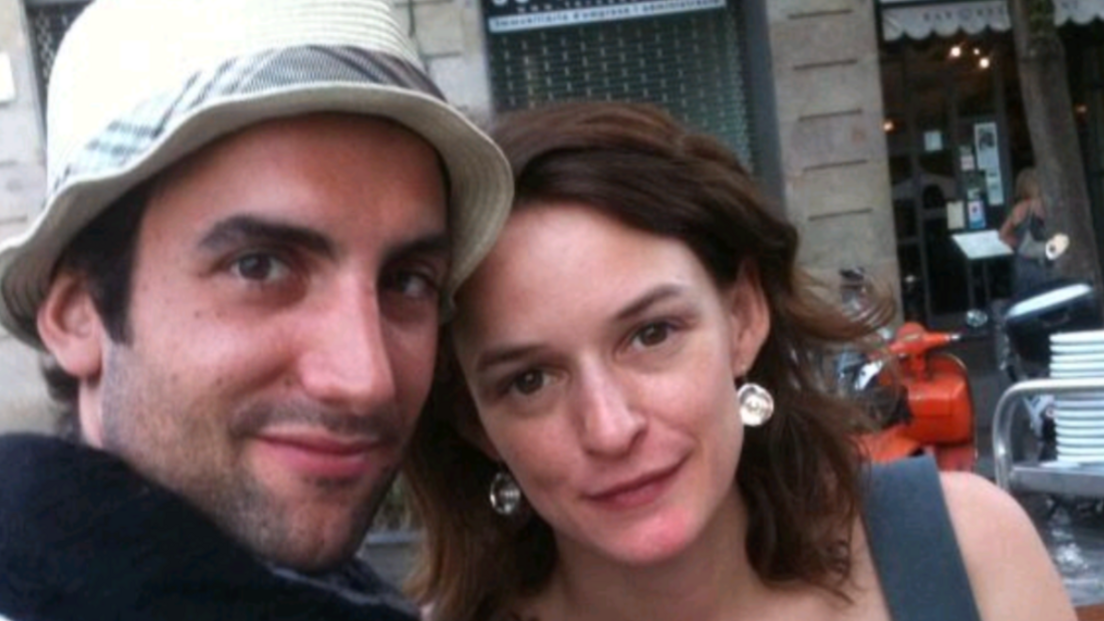
They fell in love – then needed to prove they were not siblings. In a world where a donor’s name is kept secret, Arthur Kermalvezen’s curiosity about his paternity grew from a childhood detestation of anonymity to an adult necessity when he met Audrey, another birth‑by‑donor in Paris.
Darling a mission. The pair’s love began at an activist gathering in 2010, but the possibility that they shared the same donor made romance feel risk‑laden. In France, laws restrict DNA tests to licensed professionals and ban at‑home kits, pushing the couple to seek legal pathways rather than cheap public services.
Doctor’s deal. A southern‑French doctor, willing to break the rule, performed a genetic test for €900. The result indicated their donors were two different men, but the doctor did not legally disclose this to the couple. Still, it eased the fear that they might be half‑siblings and showed the limits of French law.
Legal hurdles and a leap of faith. Audrey, a lawyer specializing in bioethics, challenged the law through three years of appeals. The Supreme Administrative Court dismissed her final application in 2015, cutting short any hope of immediate legal access to donor information.
Home‑testing shock. For years, the couple requested a home DNA kit, but the French ban made it illegal. After an illicit test confirmed no familial link, the couple still felt uneasy. Then, a DNA match revealed that Audrey’s biological sister had been her case subject, further exposing the tangled web of donor anonymity.
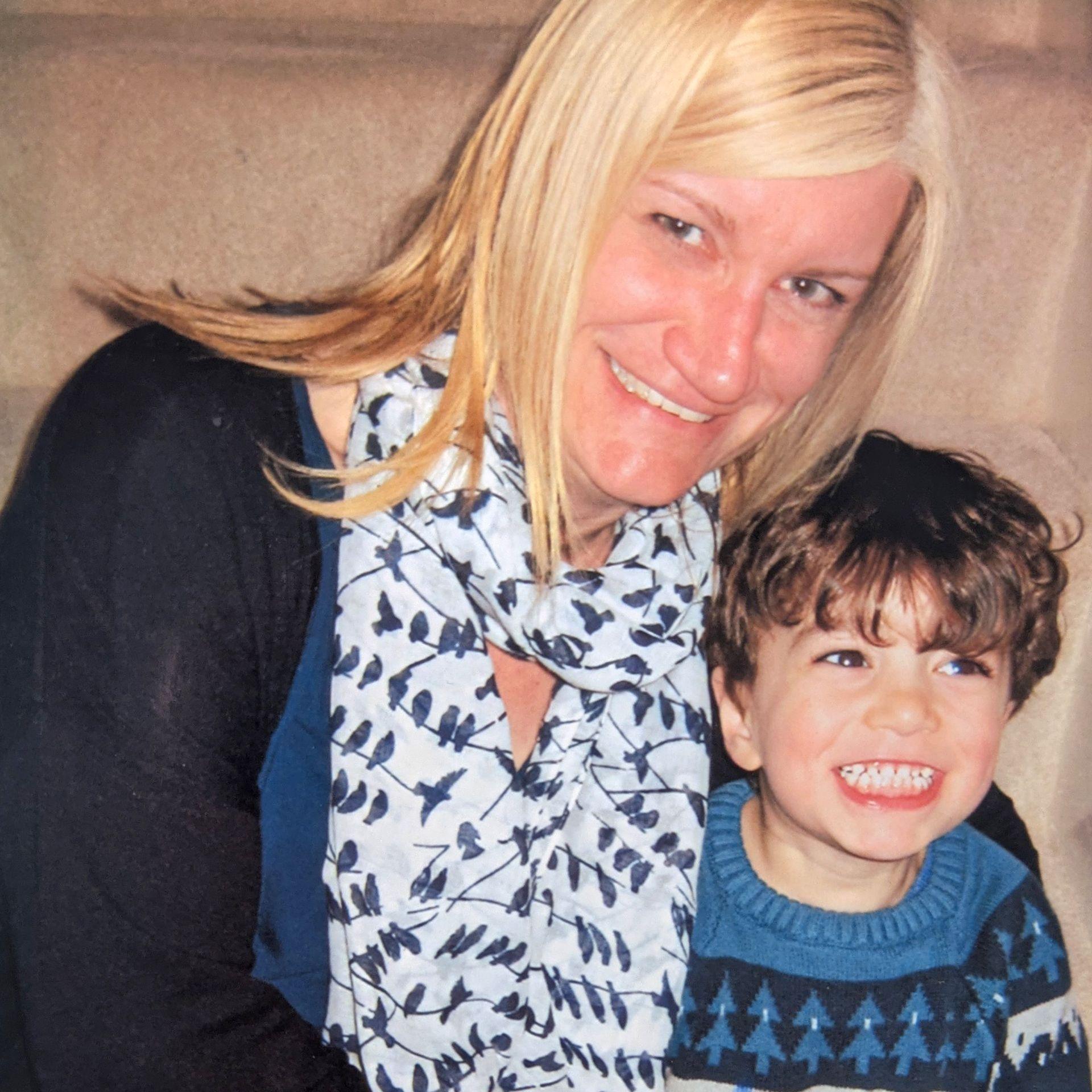
From mystery to legacy. Five years later, a genetic match with an American student led Audrey to Philippe, her donor who was already deceased. She and Philippe’s family, unaware of his donor status, embraced their connection. This personal discovery propelled advocacy for new French policies that will allow donor‑conceived people born after April 2025 to eventually access identifying details.
Legacy and the fight on. Today, Arthur and Audrey have three children and continue to champion the right of all donor‑conceived individuals to know their origins. France remains one of the few European nations that still forbids at‑home DNA testing, so the Kermalvezen couple’s journey exemplifies a broader struggle for identity and transparency in reproductive medicine.