In brief
Volunteer firefighters in Borneo’s peatlands are waging a desperate fight to quell fires that have turned carbon-rich wetlands into lethal smoke plumes. The peat fires, dubbed “carbon bombs”, release vast amounts of CO2 and methane, turning the region into a severe haze transit for neighboring countries. Health officials report tens of thousands of respiratory cases linked to the smoke, with children disproportionately affected. Amid dwindling water supplies and persistent drought, volunteers risk their lives and lungs, hoping for a turning point and a poignant piece of future history to shape a different tomorrow.
In the dry, amber‑hued skies of Borneo, smoke hangs over the forest like an unending veil, spreading its toxic touch to Singapore, Kuala Lumpur and even Manila. Inside the haze, volunteers—many indigenous Dayak or Banjar—fight a battle that feels both ancient and catastrophic.
Dwi Sujatmoko, a 35‑year‑old volunteer, has deployed in the hot zone for over a month, breathing fine carbon particles that sting the eyes and lungs. “It hits your nose straight away, your eyes burn,” he says, describing the smoke as “like tear gas”.
The fires have scorched some 200,000 hectares of forest and peanut‑textured farmland across Indonesian Borneo since early July. Behind the flames lie deep peat swamps that, under normal conditions, lock away staggering amounts of carbon for millennia. When they ignite, they unleash a surge of CO2, carbon monoxide and methane—hence their grim nickname, “carbon bombs”.
A Toxically Thick Cloud
Across Southeast Asia, air‑quality indices have risen to “unhealthy” extremes, nearest to 75 times the World Health Organization’s threshold. Indonesia’s Health Ministry logged over 50,000 respiratory cases linked to the smoke, with more than 12,000 of those children under five.
Scientists point to the peat’s dry, carbon‑rich ones as the engine behind the sudden spike in emissions. An in‑depth look at the “peatlands in Indonesia are among the world’s most efficient natural carbon stores” shows that a single meter of peat can hold as much carbon as four thousand cars emit in a year.
Struggling at the Frontline
Volunteer firefighters construct makeshift irrigation systems, digging channels and boreholes to keep hoses wet in the bone‑dry ground. Two volunteers recently lost their lives after battling fires that compromised their health. The relentless ash, smoke, and heat have left many exhausted; one volunteer remarks, “We get exhausted, we miss our families, but we are doing everything we can for the haze disaster.”
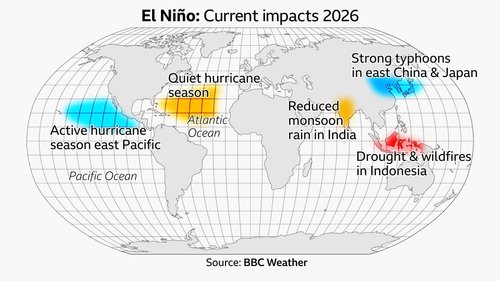
Their work, however, is hampered by a dwindling water supply. Floods and natural rains are scarce in an ongoing “Super El Niño” drought that has already scorched the peatlands.
Lost Balance in Kalimantan
Since the Suharto era, large swaths of peatland have been drained for palm‑oil plantations and monocropping, making the landscape fire‑prone. While the area lost almost 160,000 hectares of forest in 2025, the same industrial activity has turned peatland into an increasingly vulnerable reservoir of airborne carbon.
The forests are not only a source of lost biodiversity but also a contributor to global warming when drained or ignited: “Just in drained peatland, carbon dioxide escapes every hour,” a climate scientist points out.
These challenges compound the ongoing haze tragedy, making the volunteer effort a race against time and an urgent lesson for any future that might choose a different path for Borneo’s landscapes.