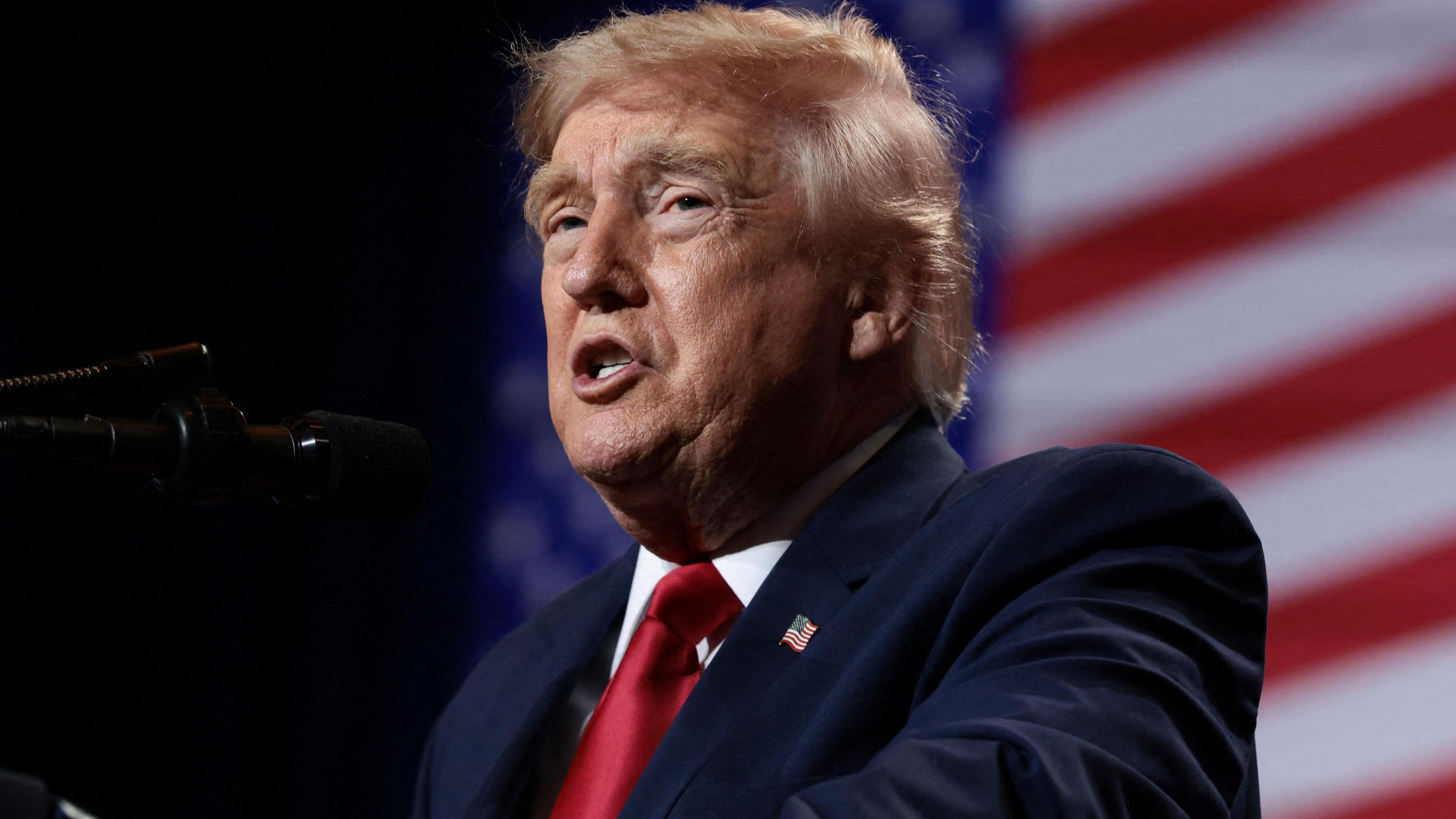
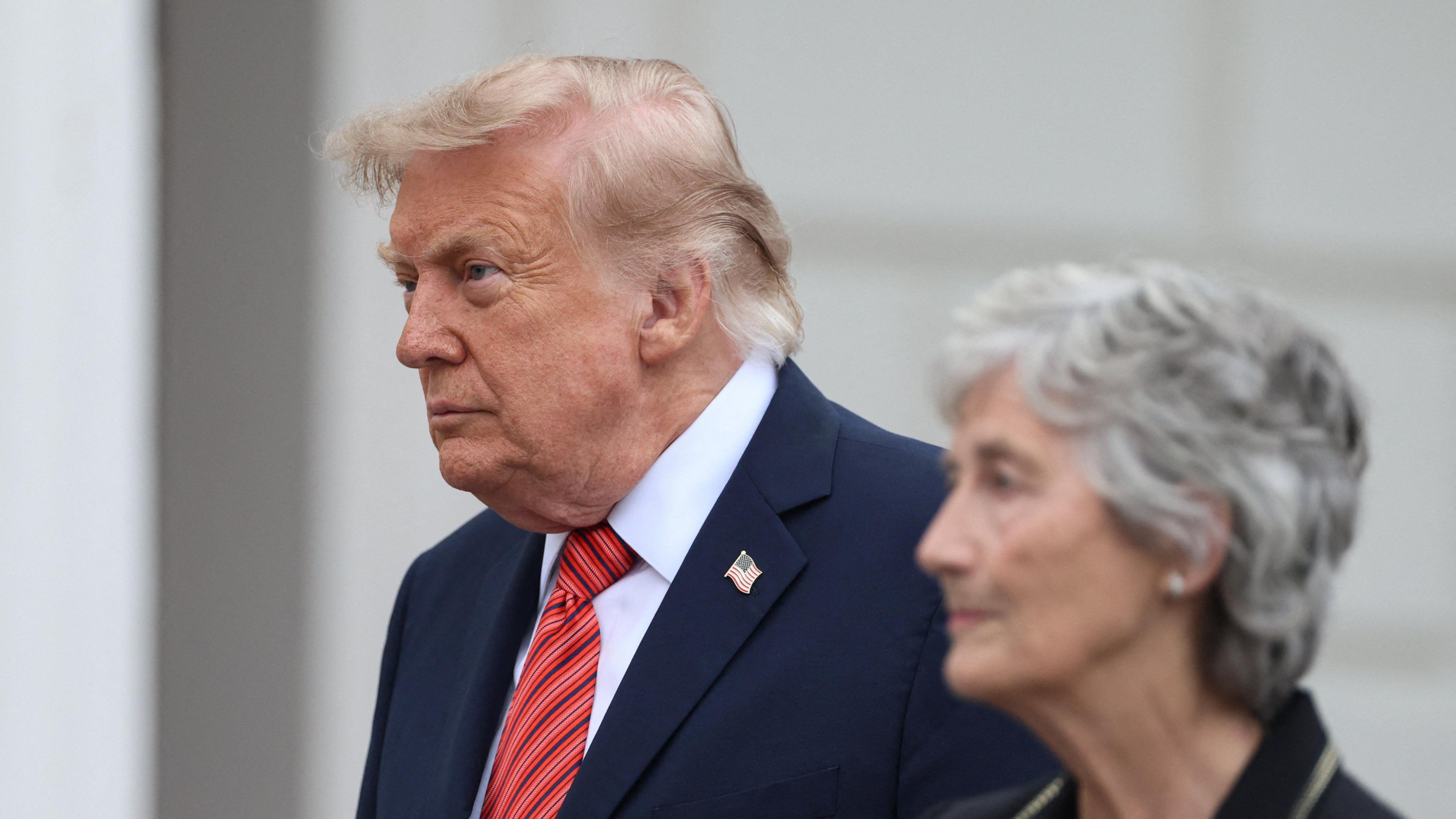
The promise of a freely‑passing Strait of Hormuz was thrust onto the world stage when President Trump posted a celebratory tweet, describing a watershed moment for global oil flow.
Yet the statistical heat‑map of marine traffic paints a very different picture. MarineTraffic recordings as of June 14 show only seven ships that crossed the strait after the deal was announced; by contrast, the Gulf holds more than 250 tankers and 330 cargo vessels, mostly stuck near Saudi, Iraqi or UAE terminals.
The perplexing stall can be boiled down to three interlocking blocks: a hostile security environment, an emerging mine threat and the looming prospect of toll fees.
First, security. Iran opened the most heavily mined maritime zone on the world’s fifth‑most fuel‑rich waterway in late February, firing on vessels that sought to enter without “permission”. The US has since deployed a naval blockade and retaliated by disabling nine non‑compliant ships with Hellfire missiles. Though the Trump administration later pried back the blockade, the threat remains thick enough that even seasoned captains remain on the sidelines.
Second, mine threat. Iran publicly threatened that any attack on its coast would rally a flotilla of floating mines. Satellite imagery posted by United Nations partners has revealed chatter marked as “floating objects” in the Gulf, prompting US or multilateral coalitions to prepare dedicated mine‑hunting assets. Clearing a “wide enough channel” could take thirty days to six months, seriously delaying resumption.
Third, tolls or fees. Historically free for vessels crossing its waters, the strait's jurisdiction has arguably “shifted” under the ninety‑day lock‑down, with Iran proposing a Persian Gulf Strait Authority to impose a “service fee”. While the US upholds free passage as customary international law, the introduction of a fee would introduce an administrative bottleneck and an “unknown logistical limit” on daily vessel throughput.
Although some Greek operators may slip through now and once, most ship owners wait for an explicit sign that the environment has normalized. Experts predict a gradual easing of traffic, with an initial political reopening followed by a slow commercial revival driven by mine‑clearing and fee negotiations.
With the US Navy stringing several warships near the mouth of the Gulf and the UK dispatching Royal Navy vessels equipped with mine‑hunting gear, the stage is set for a cautious yet hopeful return to the strait’s former significance as a global oil artery. The next step will hinge on whether Iran gives a double‑negative on tolls and clears mines enough for a safe, routine passage.